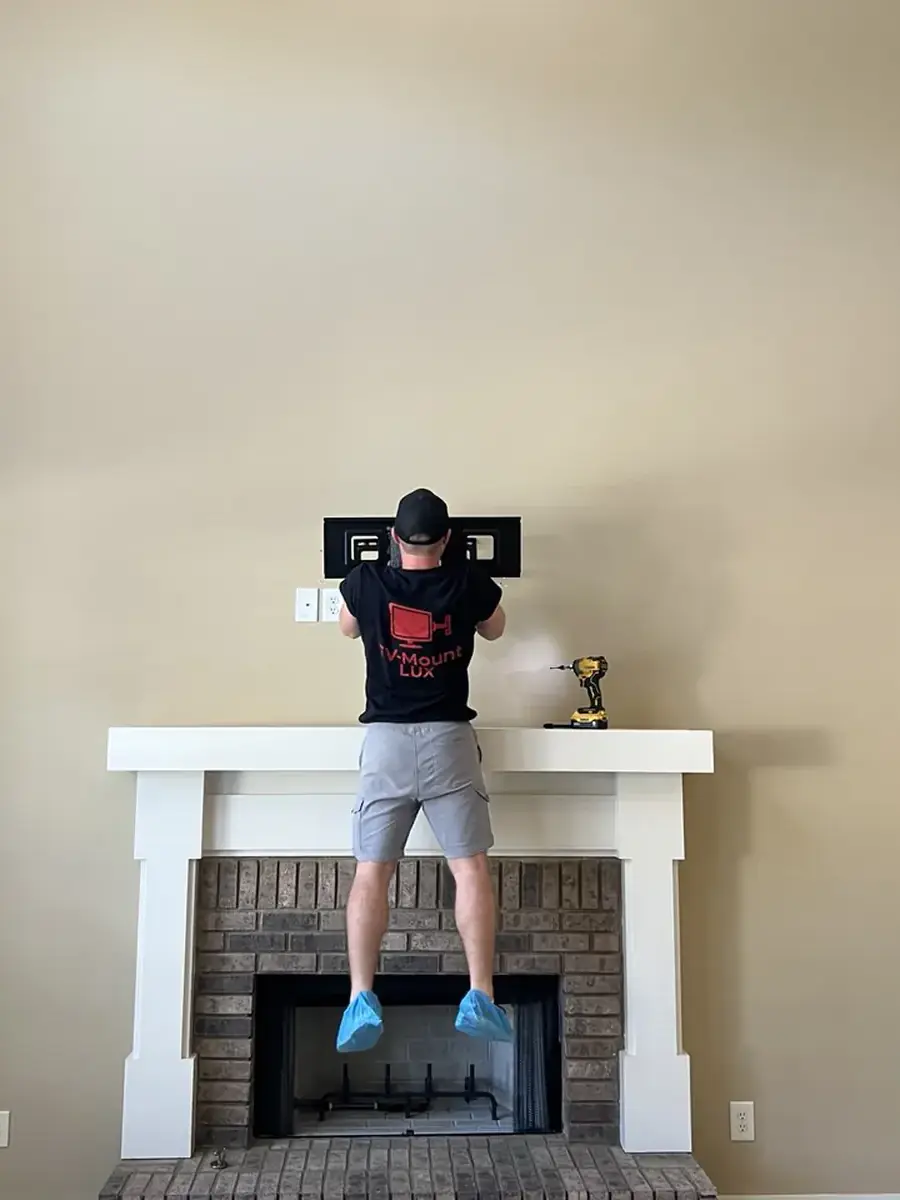
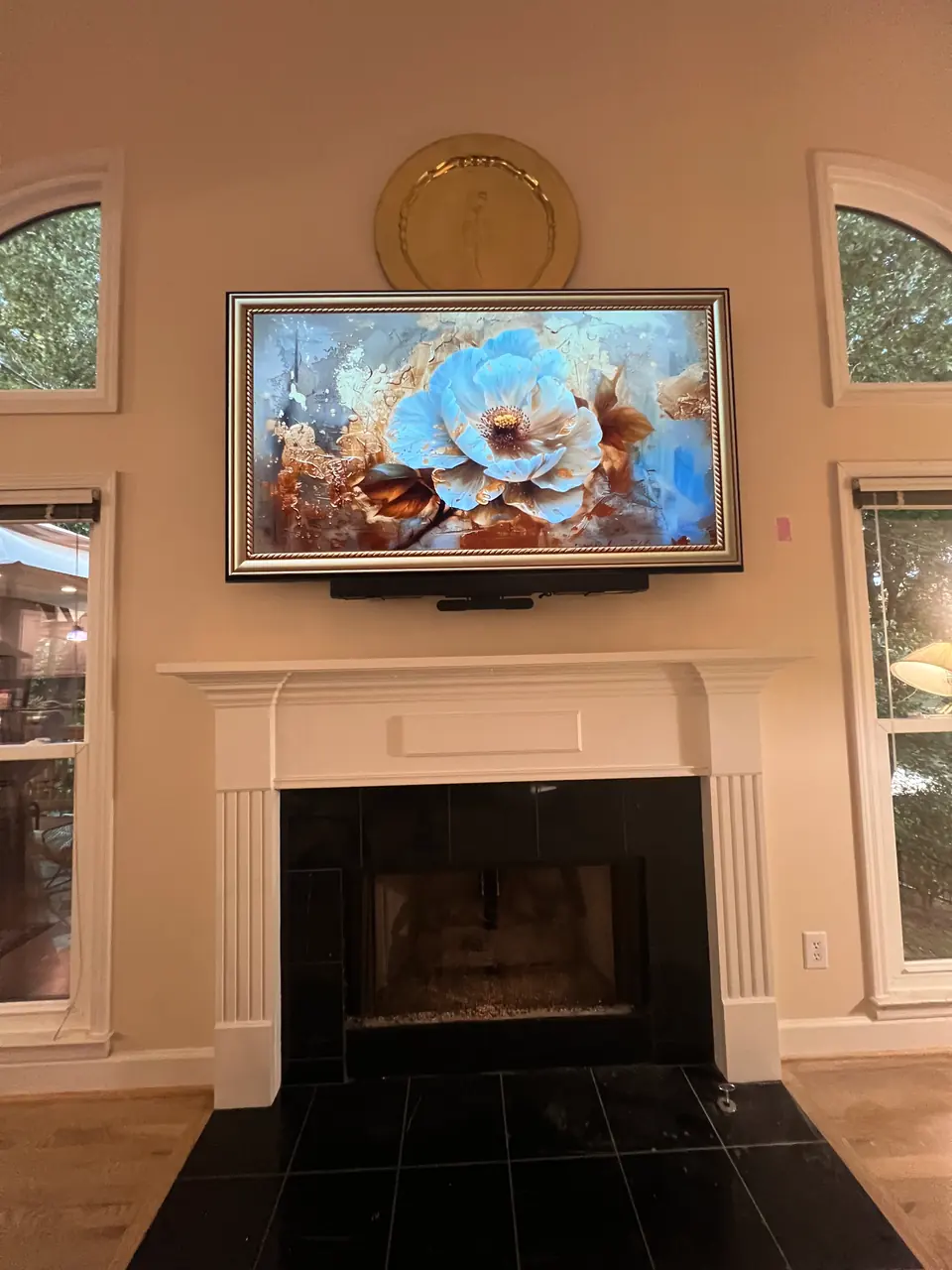
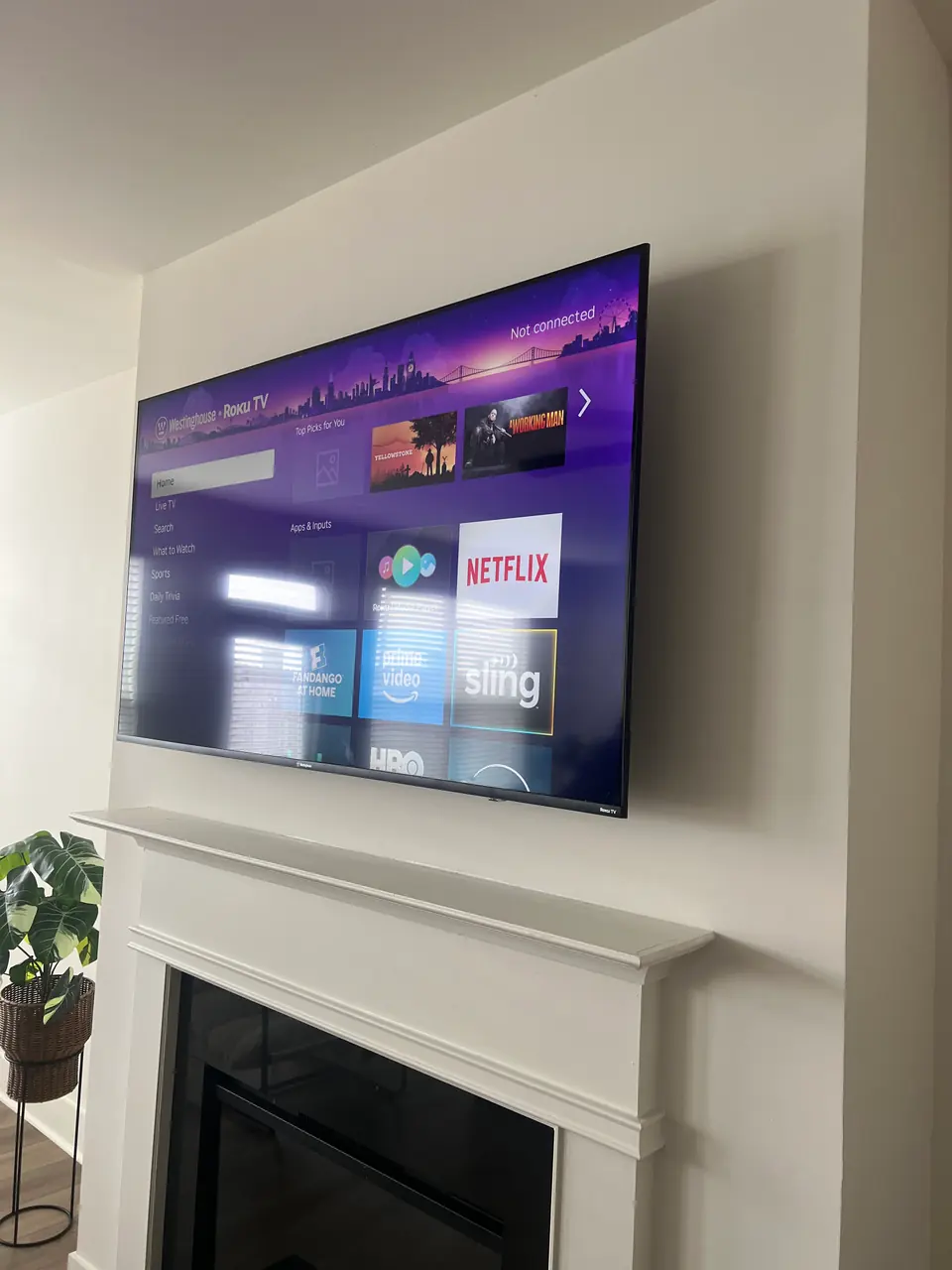
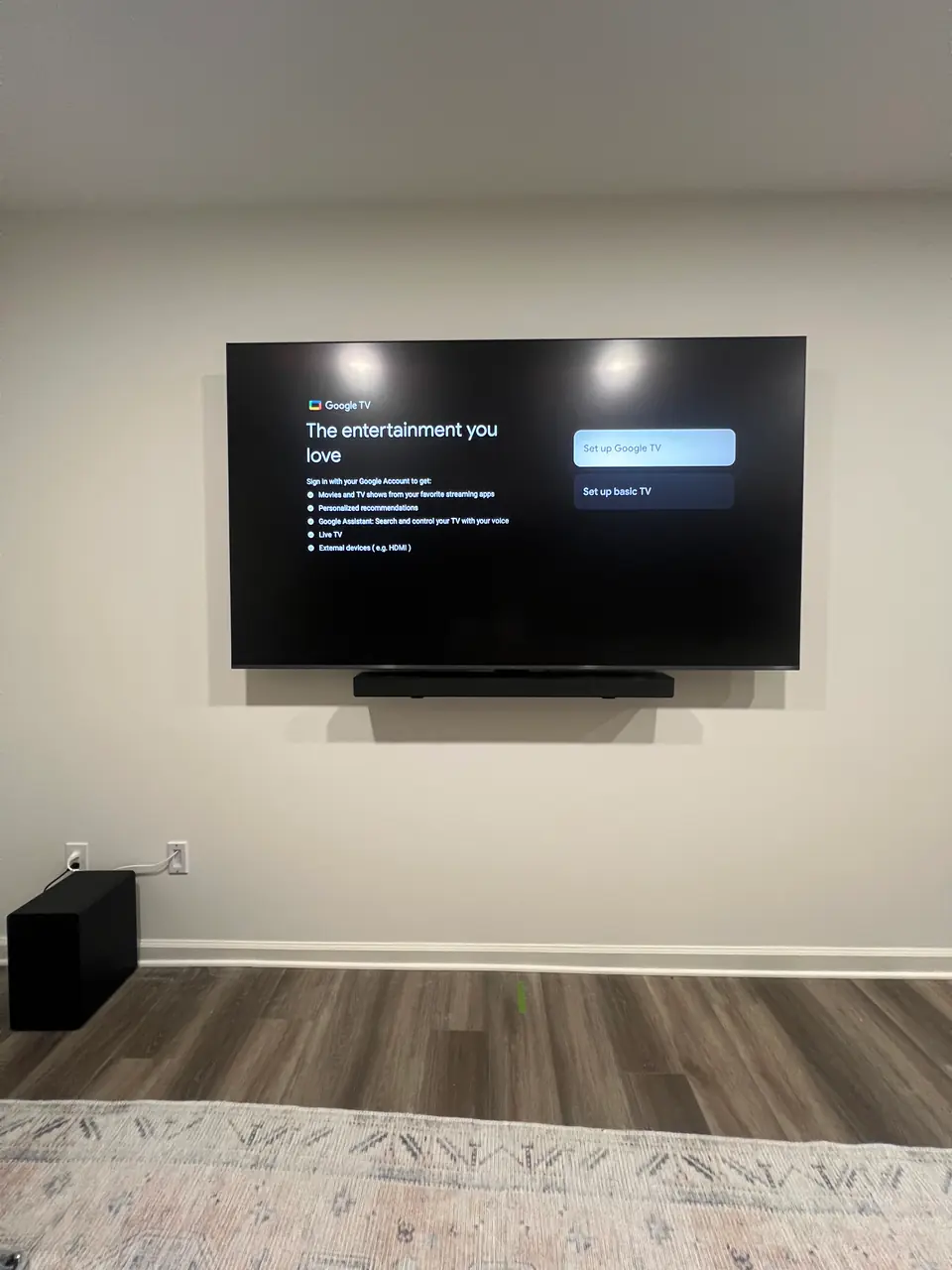
People in the town platted as Slaughter didn't care for the name, and in 1893 it became Auburn, after Auburn, New York, another place that leaned on hops. The railroad set the course after that. A roundhouse worked here until 1987, a rail yard still runs on the old site, and Terminal Park, near the yard, is named for the railroad workers who lived there. Around downtown's main street, many houses are Craftsman designs from the 1920s. Their walls may be plaster over wood lath, which mounts at the drywall price once the studs behind it are found. A brick fireplace or chimney is the exception, with masonry anchors at $59 and another $49 when the TV goes above the firebox.
Lea Hill rises east of the valley, with Green River College on it, and West Hill climbs toward Federal Way. Both joined the city in 2008, and Lea Hill in particular is mostly homes. The Bridges neighborhood, part of Kent until 2024, belongs to Auburn now too. Houses on the hills come from several decades, so a living room might have brick around the fireplace or drywall all the way up.
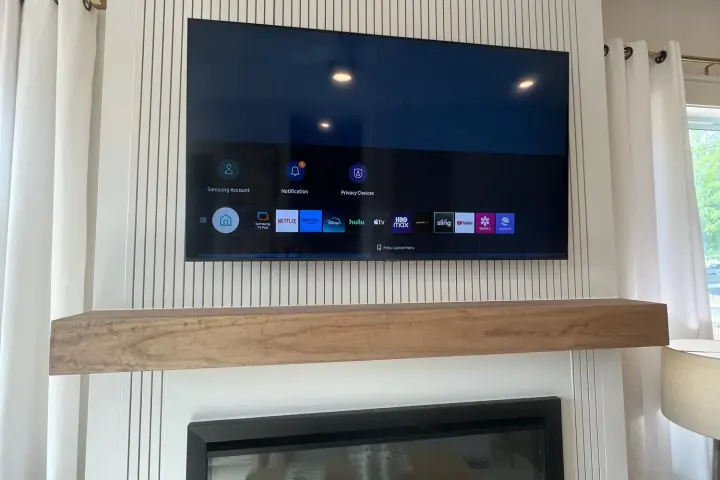
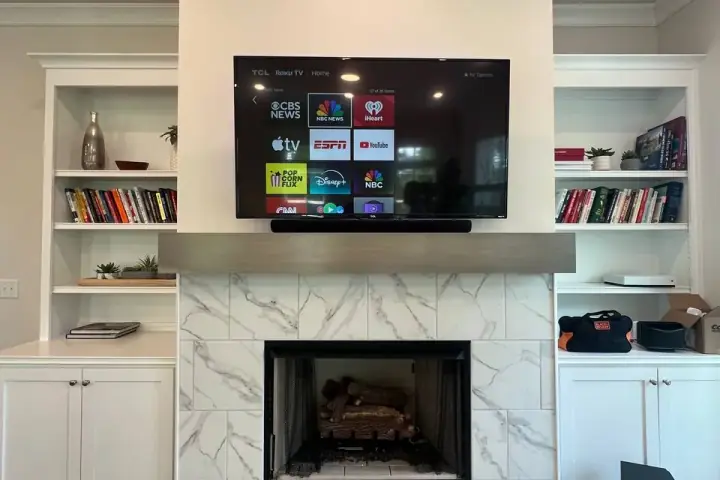
Lakeland Hills spreads over a hillside at the south end of the city and reaches across the county line into Pierce County. A developer announced it in 1979, building began in 1985, and the city finished annexing it by the end of the 1990s. Hidden Valley, another planned development to the east, looks over North Lake Tapps. In family rooms from these decades, the TV often centers on a gas fireplace or a console, and the studs behind the drywall rarely line up with that center. A mount with a wide plate gets around it, and the drywall itself adds nothing to the price.