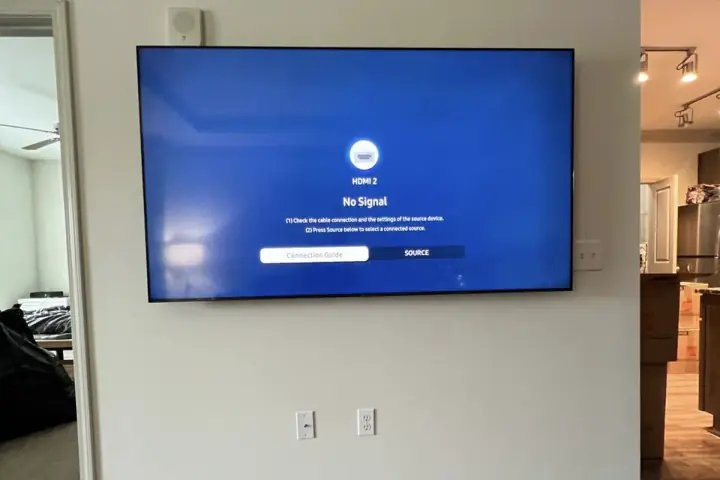
Charlotte calls its center Uptown, and it is divided into four wards that meet at the corner of Trade and Tryon streets. Residential towers have gone up across it. In a tower unit, a TV on a concrete column or core wall needs masonry anchors and the $59 hard-wall line, while the drywall between your own rooms carries no wall charge. Fourth Ward, mostly residential, is a historic district whose Victorian houses were restored starting in the 1970s. Houses that old often still have plaster inside.
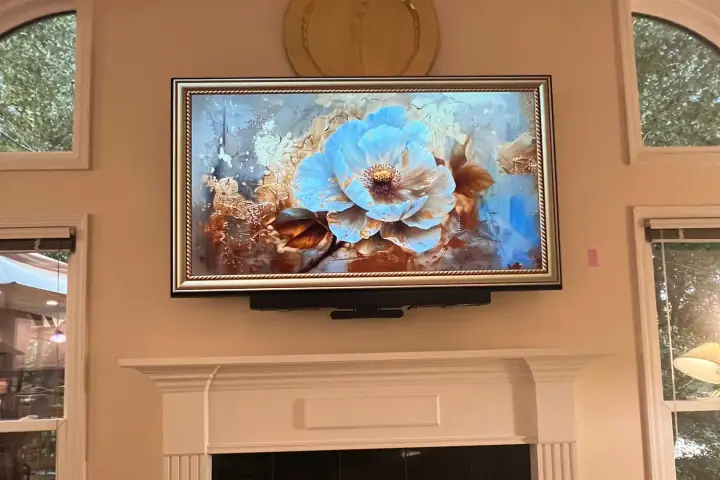
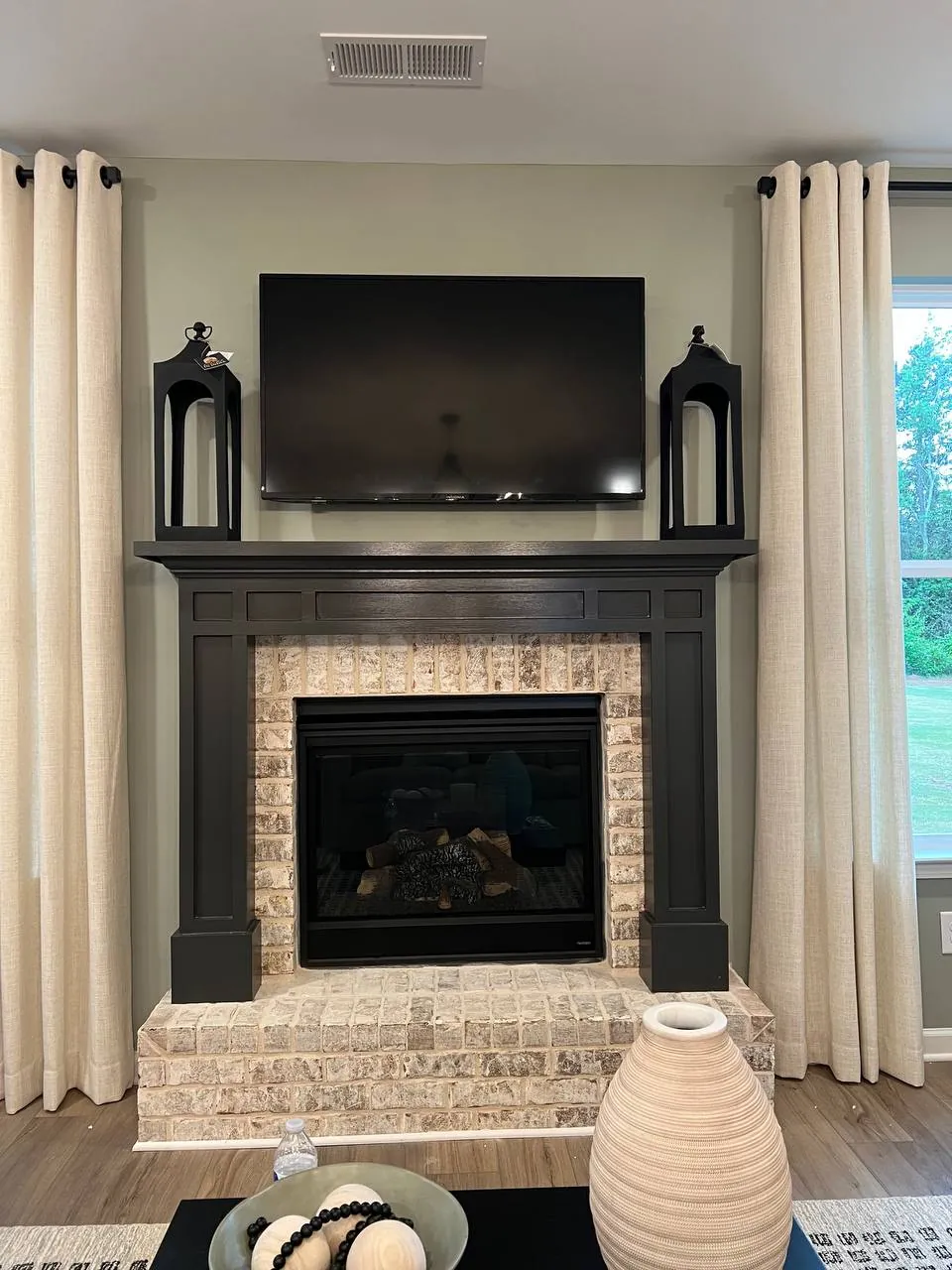
Dilworth opened in 1891 as Charlotte's first streetcar suburb, and Elizabeth and Plaza Midwood grew the same way, along trolley lines. Their streets are lined with bungalows and Colonial Revival and Tudor Revival houses, most of them from the early 1900s. Plaster over wood lath is common in houses that age, and it costs no more to mount on than drywall. Where a fireplace front is brick, a TV on it adds $59 for the masonry, on top of the $49 for hanging above a fireplace.
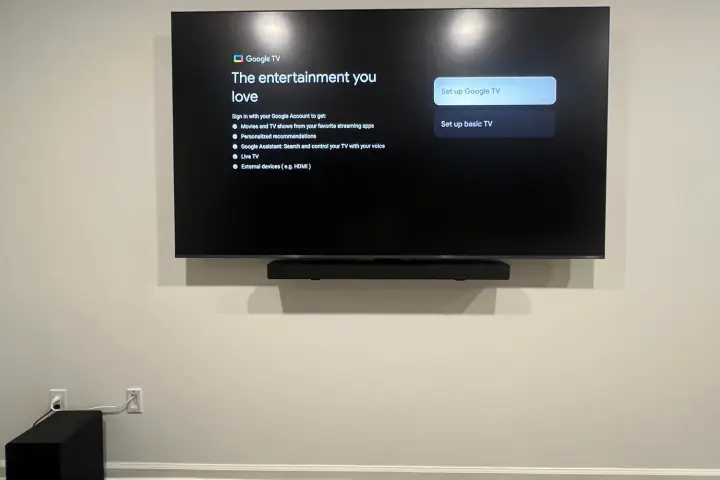
North Charlotte began in 1903 as a planned mill district, and the stretch now called NoDa, after North Davidson Street, still has many of the houses built for its mill workers. A typical one had five rooms, two of them bedrooms. Rooms that size leave limited open wall between doors and windows, so measure before buying the screen: a 55-inch TV is roughly four feet wide. On drywall or plaster, that TV on a tilting mount with the cords showing costs $188. The mill buildings themselves now hold apartments, and where a unit's TV wall is the old brick, it falls on the $59 hard-wall line.
South End grew up along the railroad southwest of Uptown, among mills and warehouses, and since the LYNX Blue Line opened in 2007 it has filled with apartment buildings. Most people there rent. Walls inside those buildings are mostly drywall, so the wall itself rarely adds anything, and the lease decides the rest, from drilling to whether cables may go inside a wall.