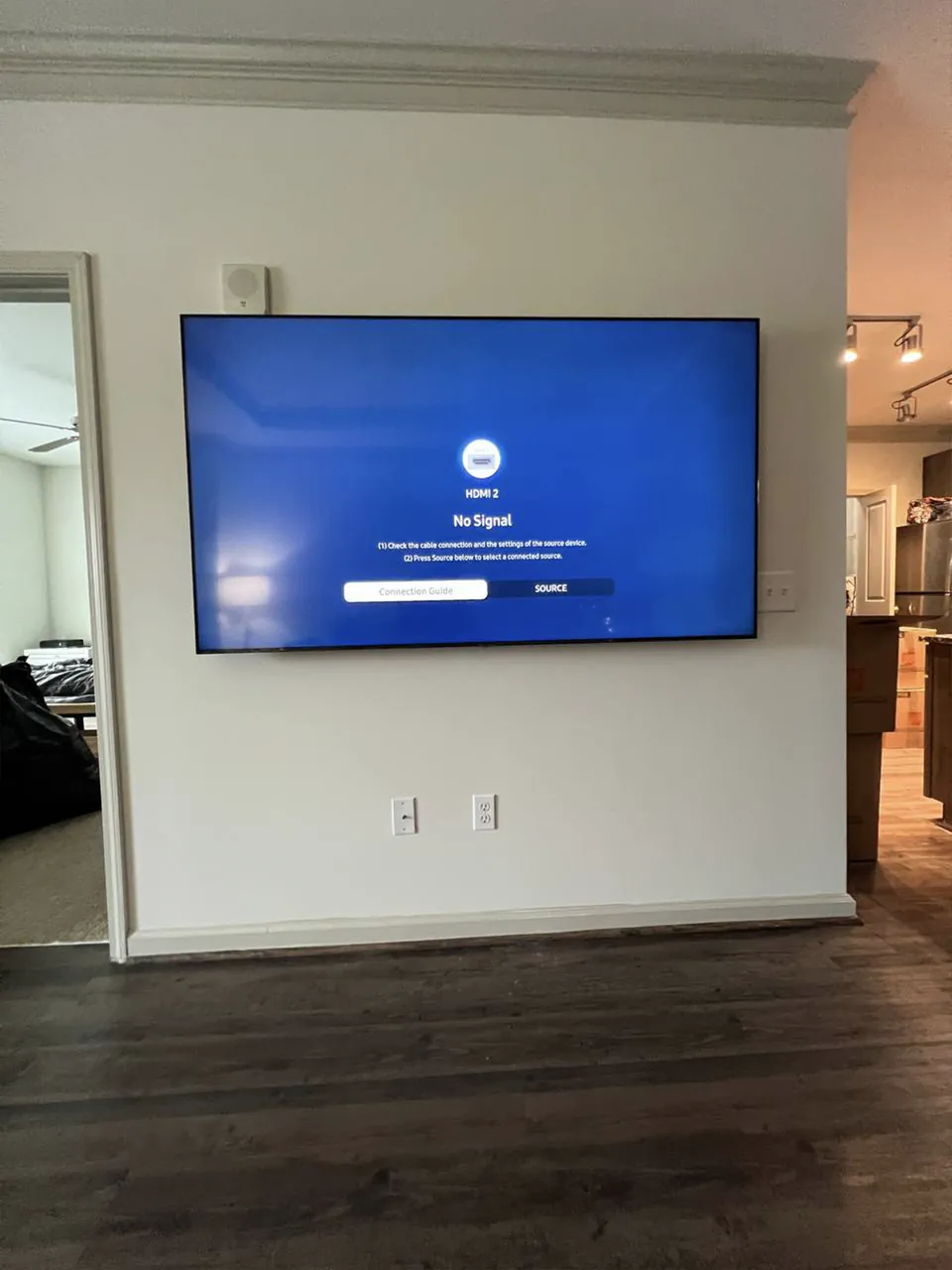
Seattle's Craftsman boom followed the 1909 Alaska-Yukon-Pacific Exposition, when streetcar lines opened North End neighborhoods like Wallingford, Phinney Ridge and Greenwood to families who worked downtown. The bungalows went up alongside the Classic Box, the city's two-story take on the foursquare, and whole blocks of Capitol Hill were built to that plan around 1910. Both were finished inside with plaster over wood lath. A TV on plaster costs exactly what it would on drywall, but the work takes more care. Plaster is thicker and harder than wallboard, and the lath and its nails confuse a stud finder, so each stud is confirmed before the mount is marked.
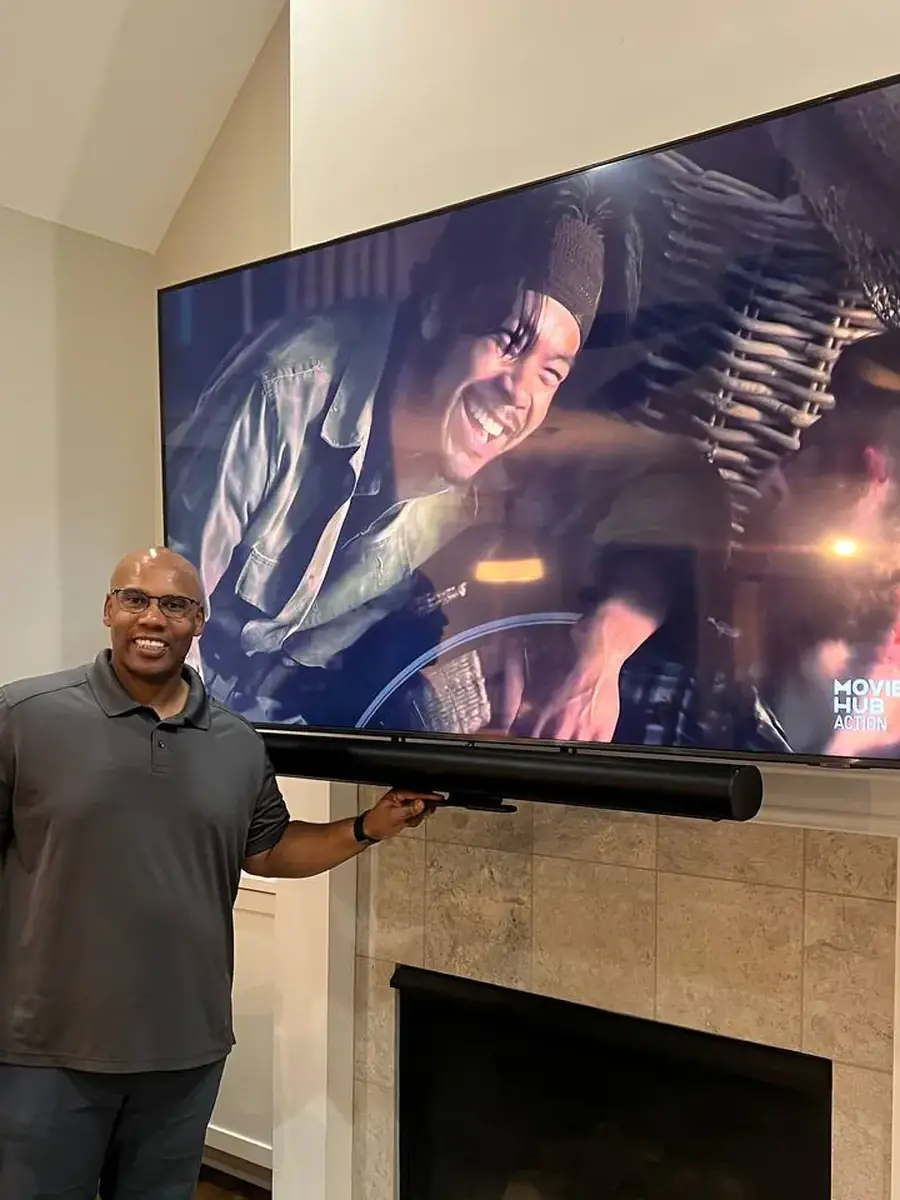
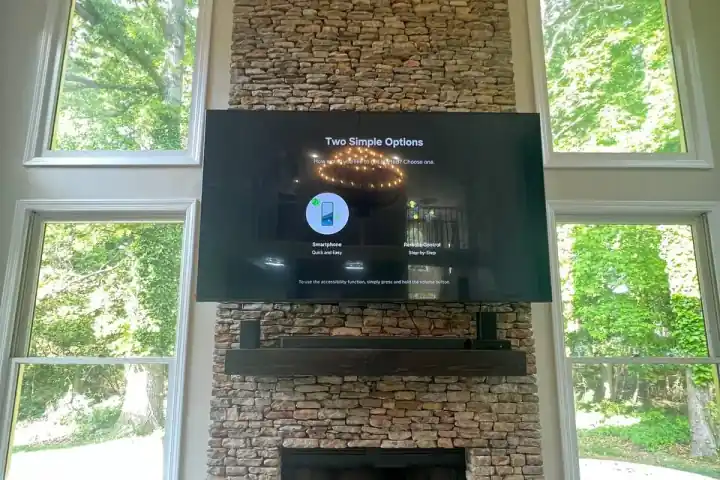
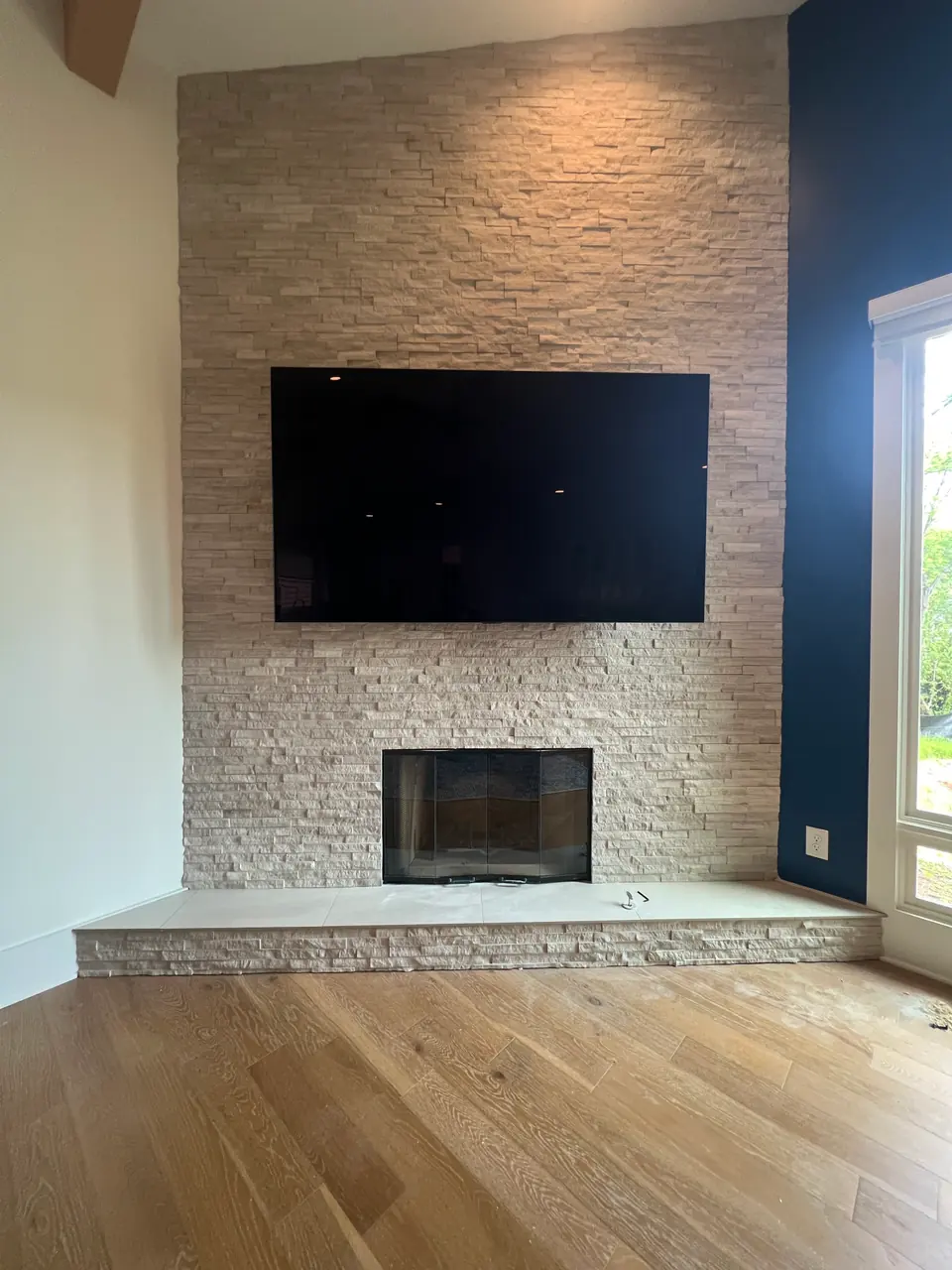
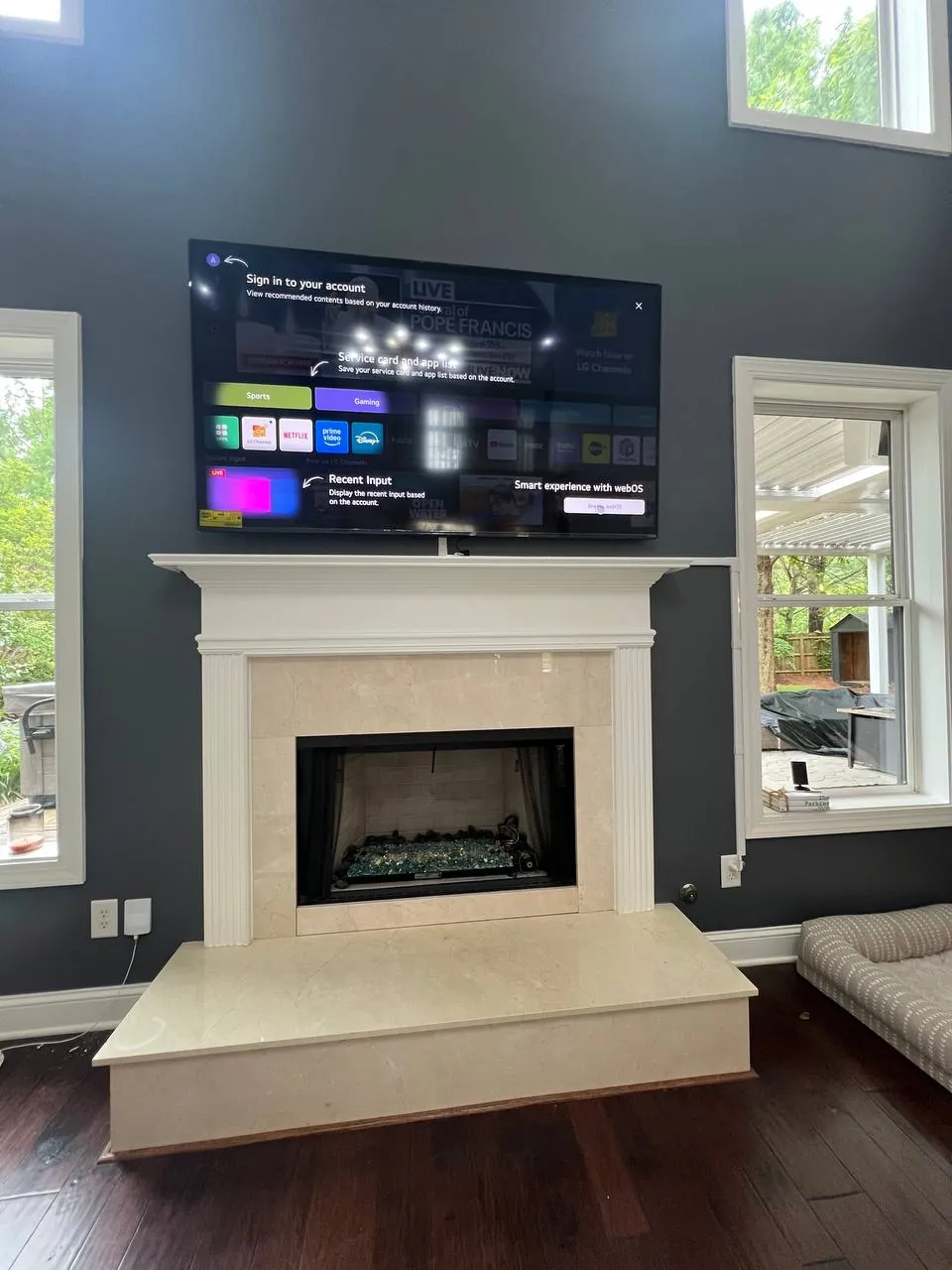
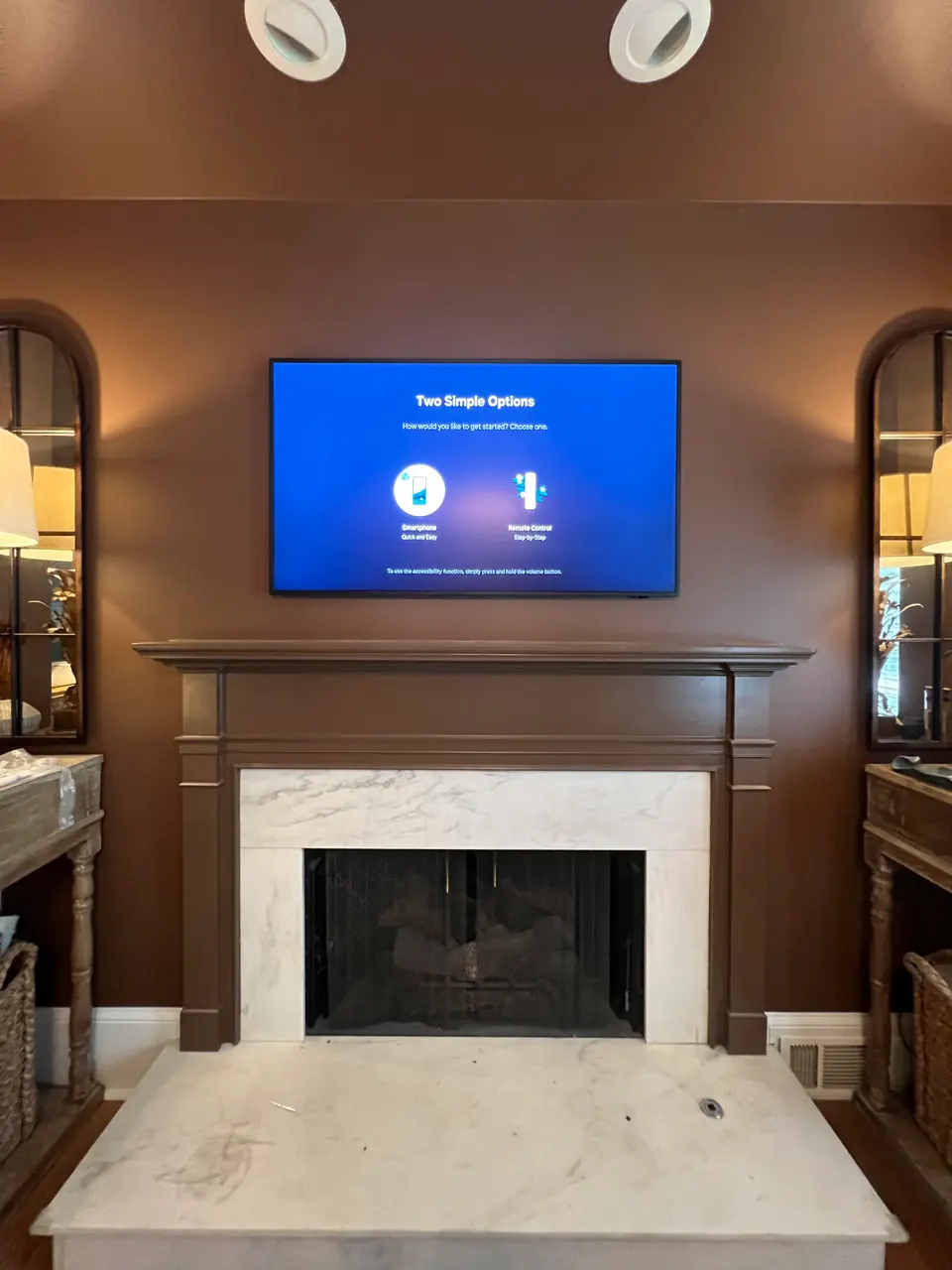
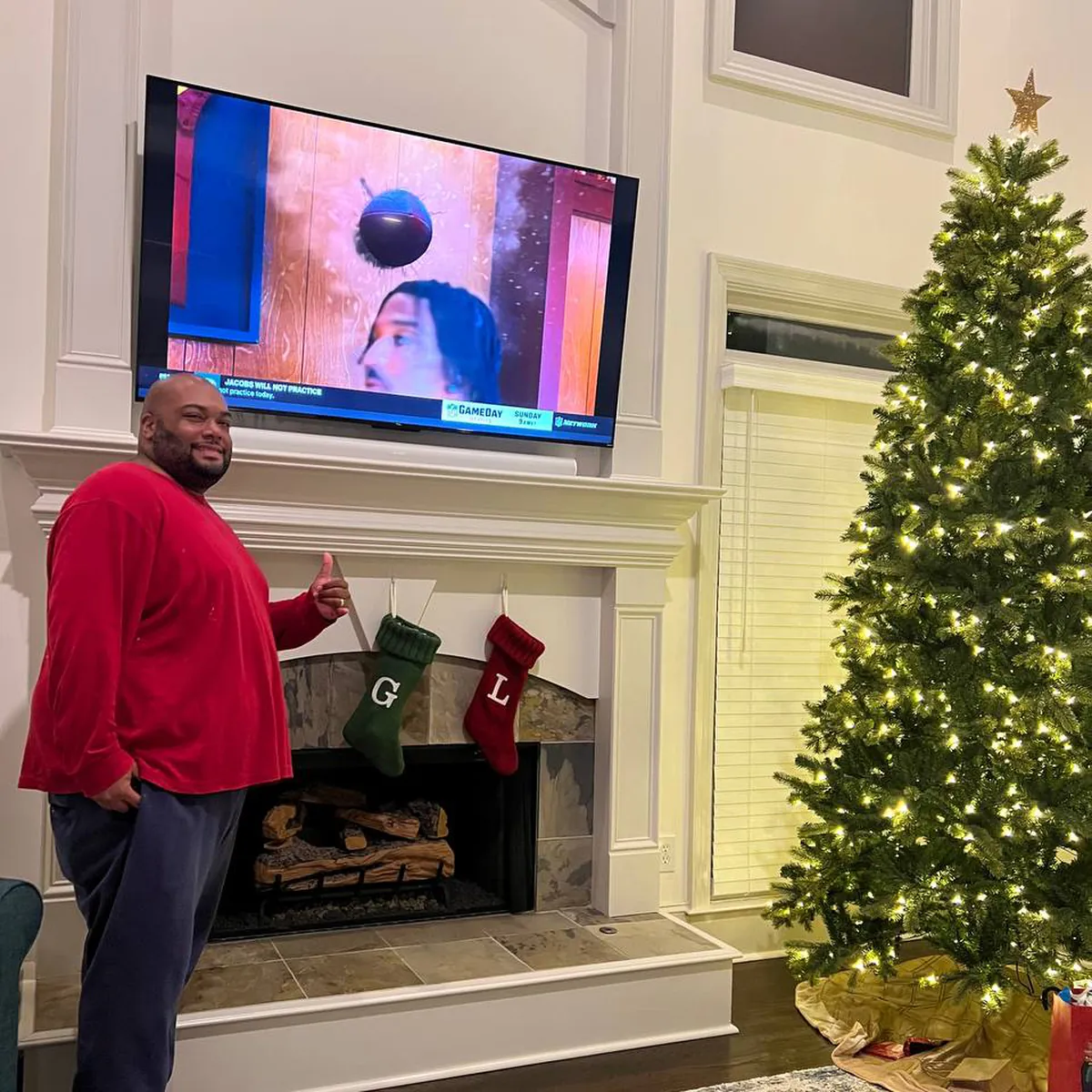
Many of these houses keep their original fir woodwork: door and window trim, picture rails, and built-in bookcases that sometimes share one long mantel shelf with the fireplace. A hole in original fir trim can't be taken back, so the TV goes on the open plaster, with lag bolts long enough to pass through plaster and lath and bite well into the stud. Where the fireplace has a brick front, a TV above it takes masonry anchors ($59) plus the above-fireplace line ($49).
Capitol Hill is also the city's main apartment neighborhood, and many of its buildings are three-story brick from the late 1920s, some set around courtyards. They're plastered inside too. Walls between rooms are usually framed and mount like any plaster wall. An outside wall is another matter, since there can be solid brick right behind the plaster, which calls for masonry anchors and the $59 hard-wall line.
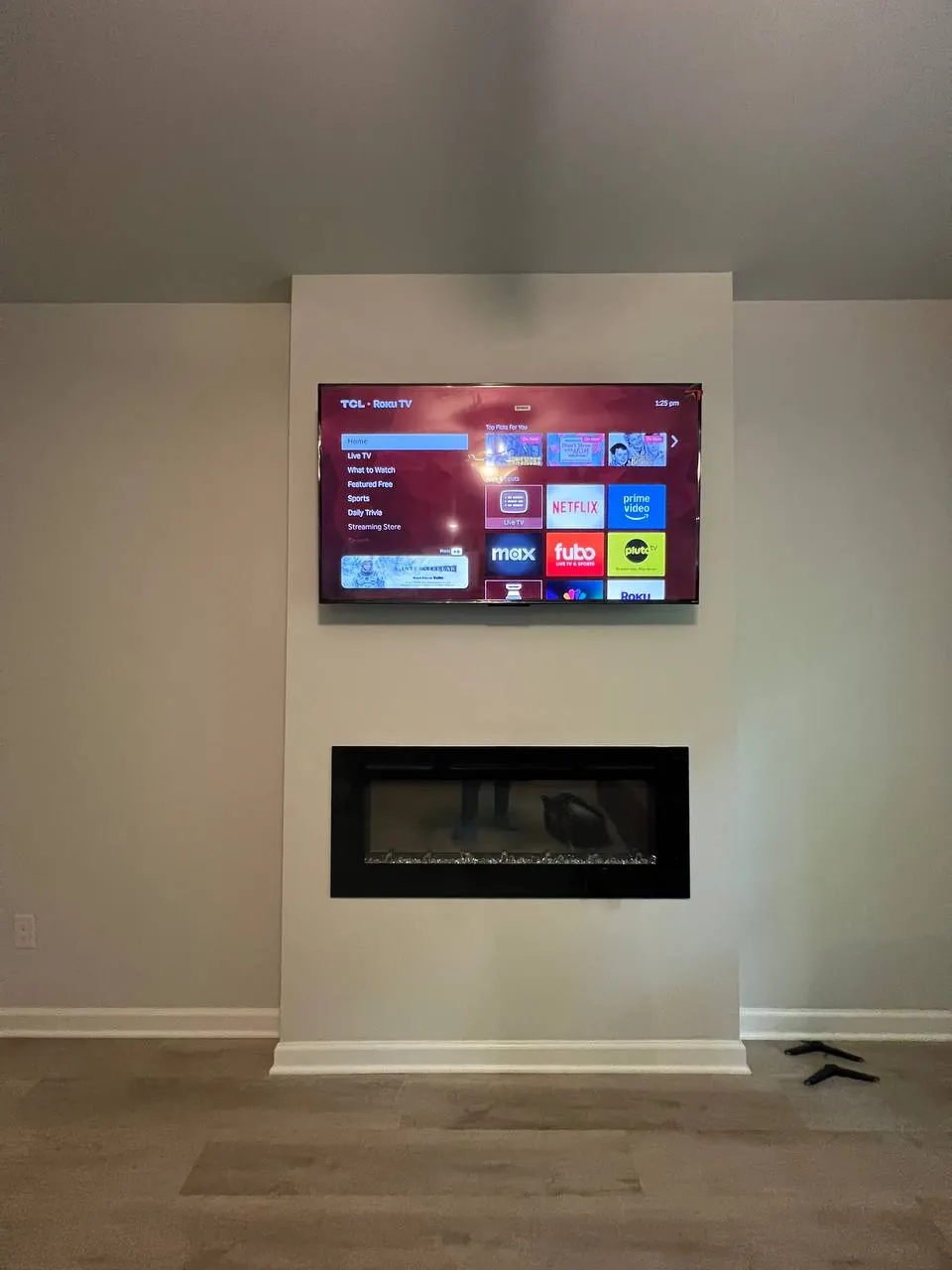
Since the 2000s, many single houses have been replaced by townhouses, and in a lot of them the kitchen and living room share the second floor. Their walls are new drywall over wood studs, so running the cables inside to an outlet behind the screen is usually simple, at $99. Getting the TV upstairs is the harder part, because a 75-inch box on a narrow stair is a two-person carry. Downtown, in Belltown and in South Lake Union, high-rise condos add concrete walls and columns at $59 per TV.