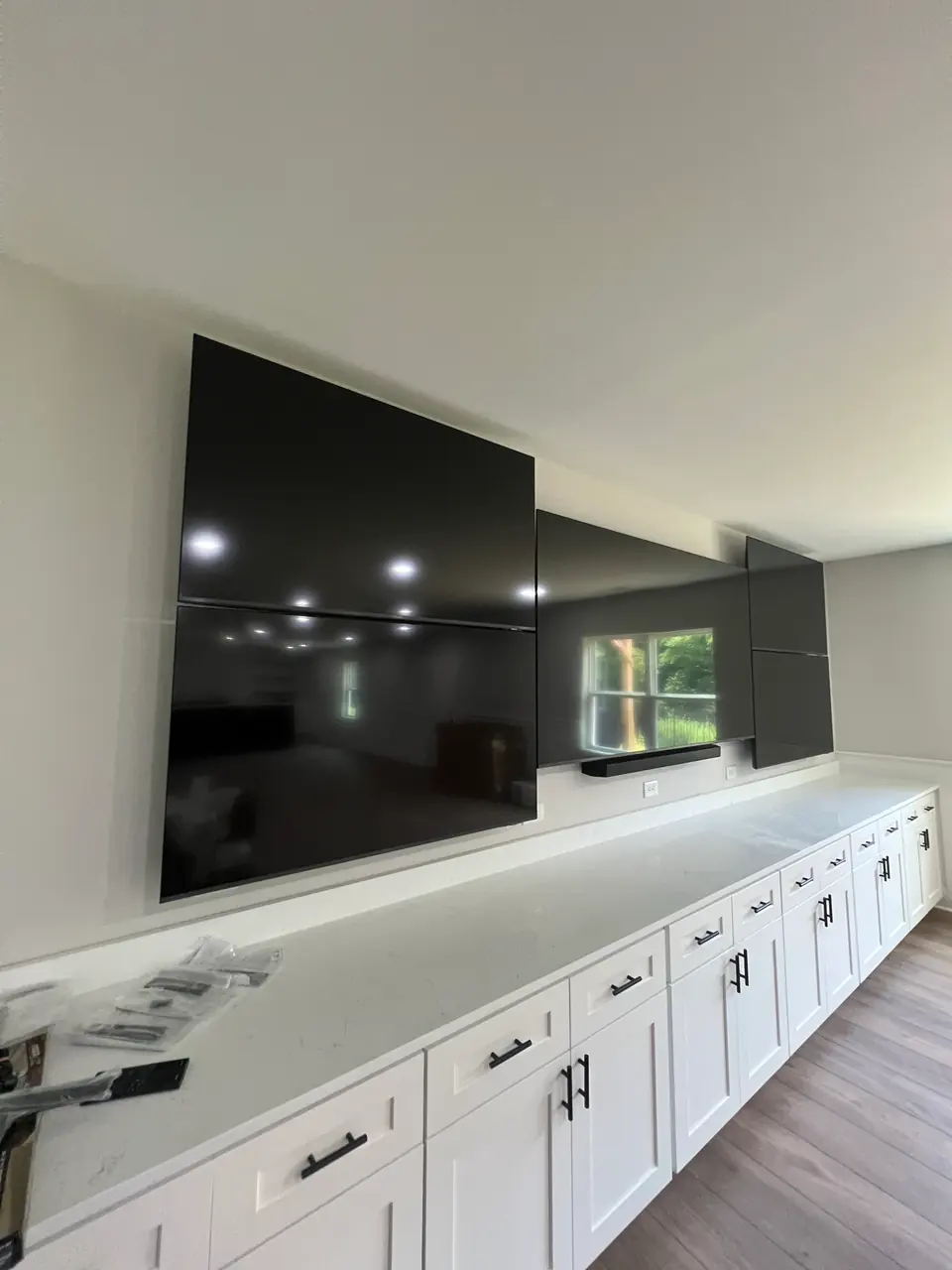
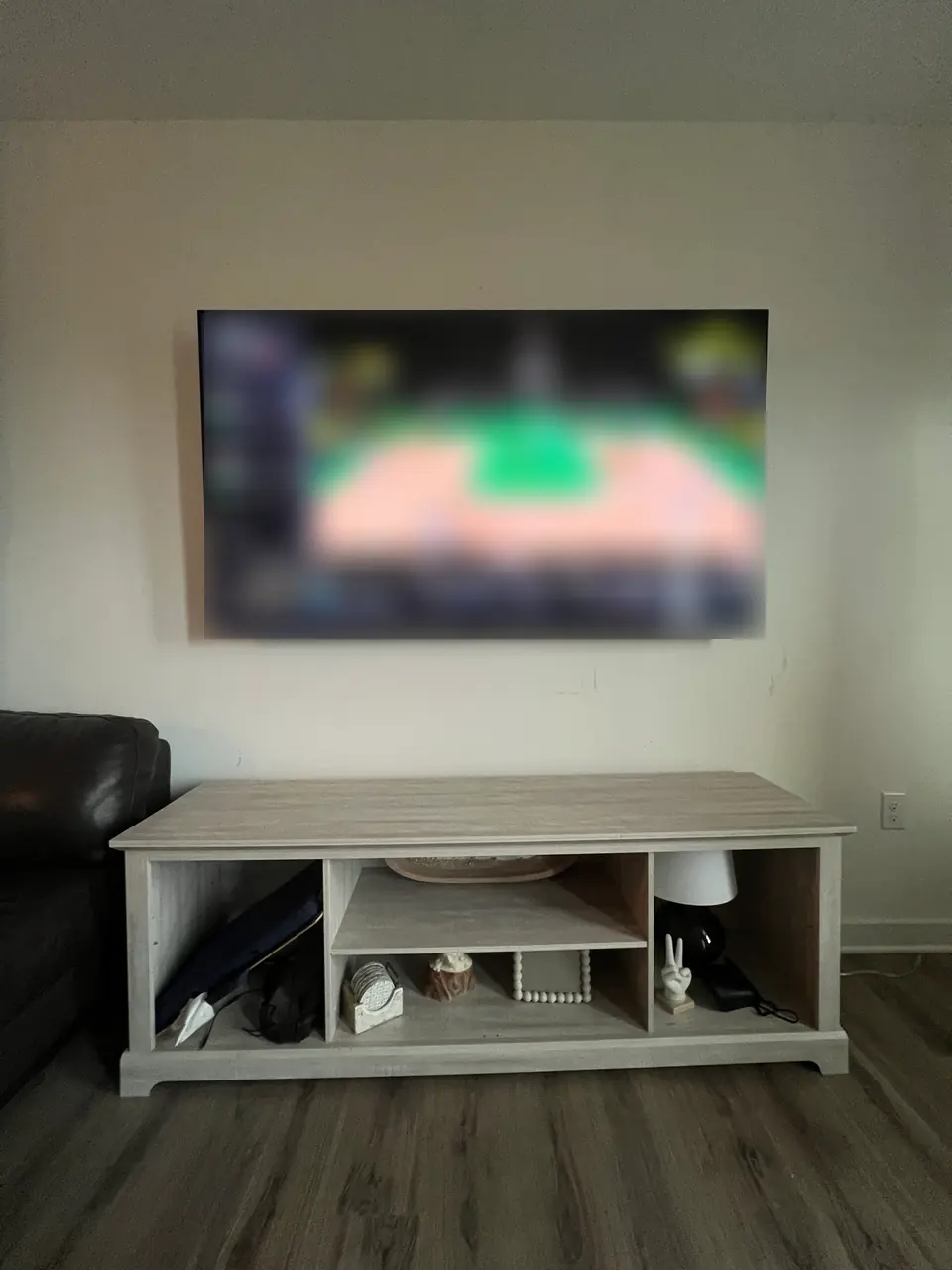
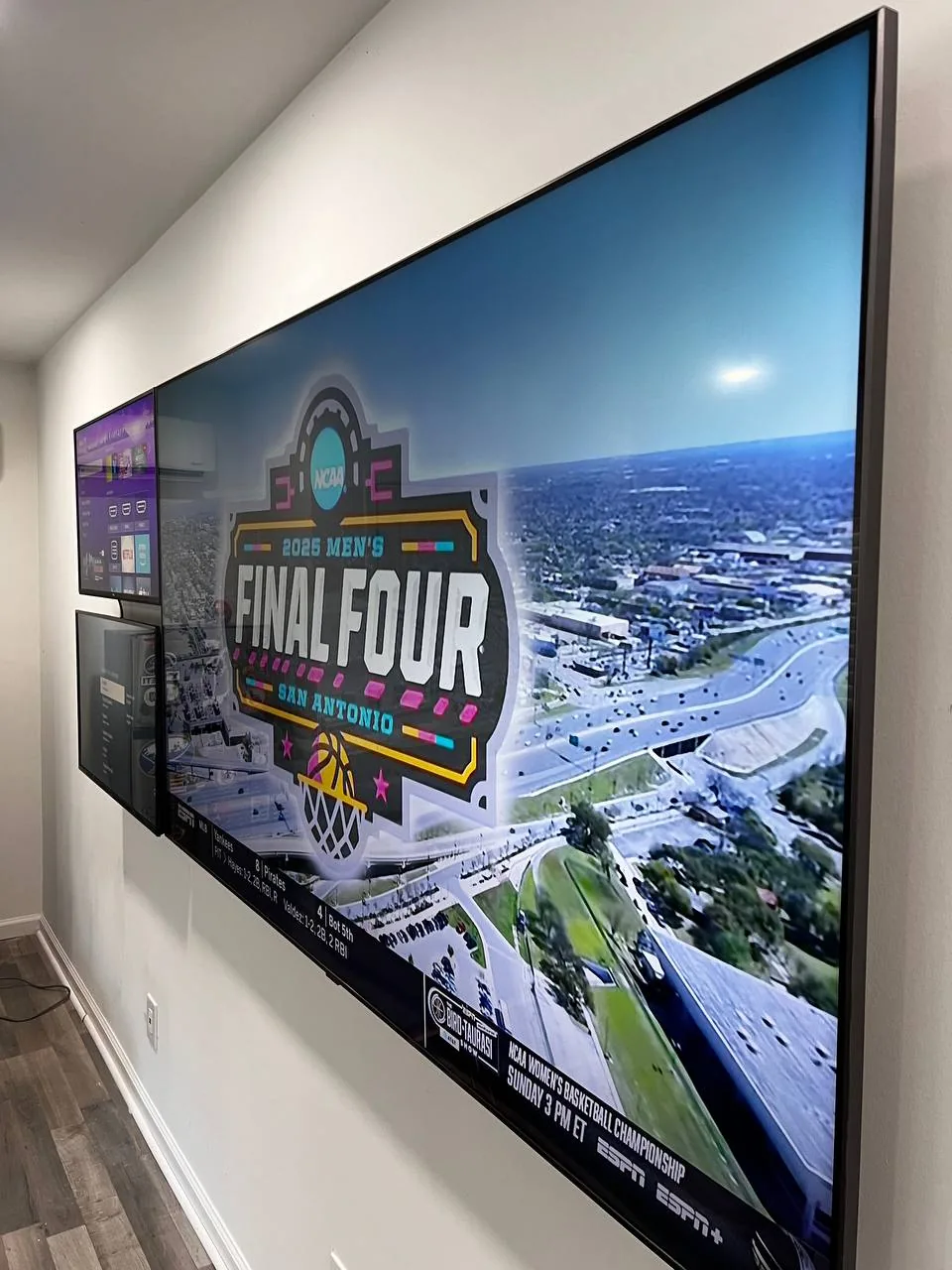
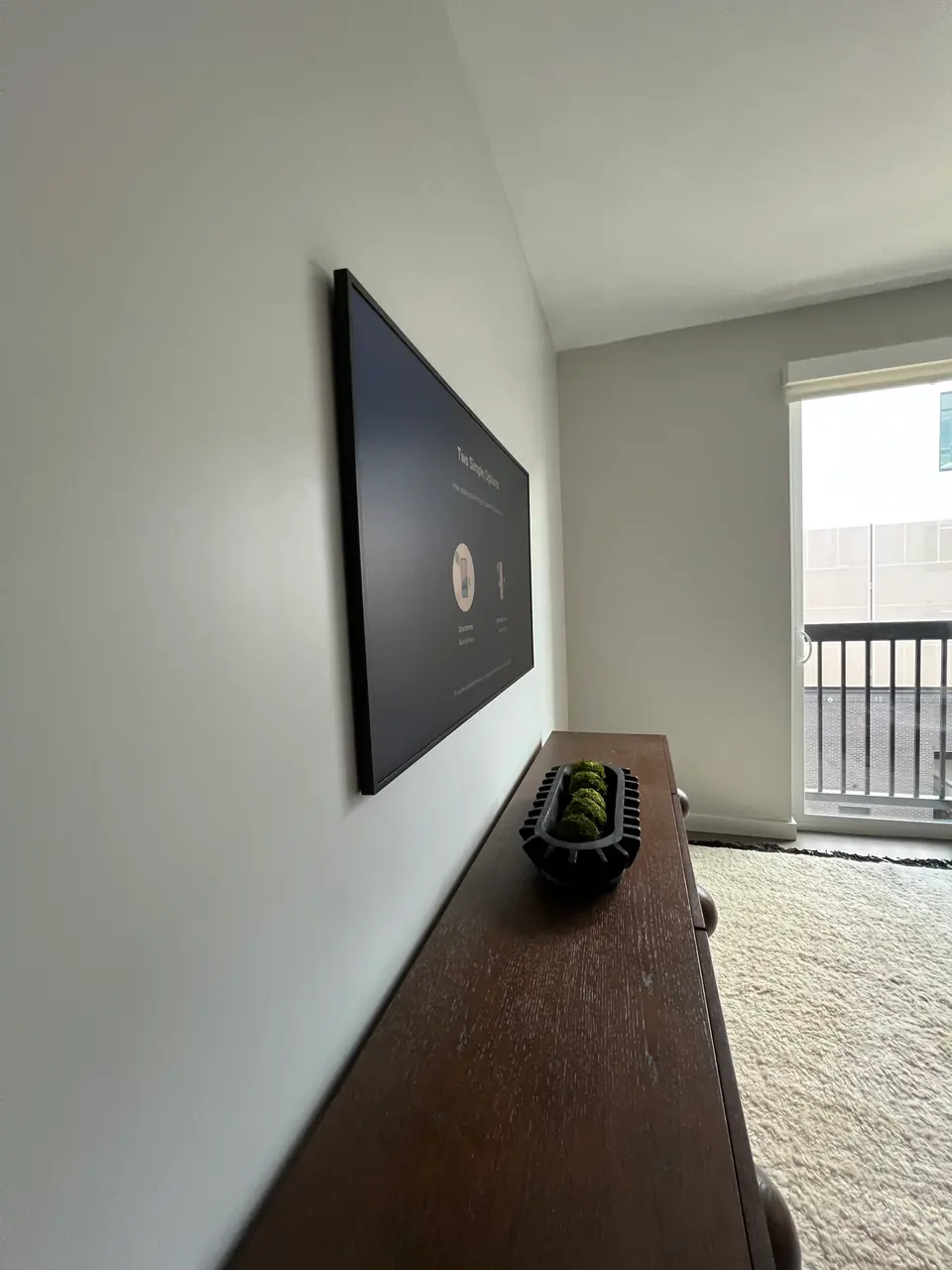
The Avenues climb the foothills northeast of downtown on blocks smaller than the rest of the city's grid, and most of their houses went up between about 1880 and 1920. Brick is common among them, and in houses of that age the brick usually carries the house rather than covering a wood frame. That decides the TV wall. Partitions between rooms are typically framed and plastered, and they add nothing to the price. An outside wall can have solid brick right behind its plaster, which makes it a hard wall at $59 per TV, with the cords on the surface.
Salt Lake City is earthquake country, with the Wasatch Fault running along the foot of the mountains on the east side of the valley. Nothing about the method or the price changes because of it. The mount goes into wood framing or onto anchors made for the wall it's on, solid brick and poured concrete included, and it's load-tested before the screen is hung. Old brick and mortar can turn soft in places, so point out any crumbling near the spot you have in mind.
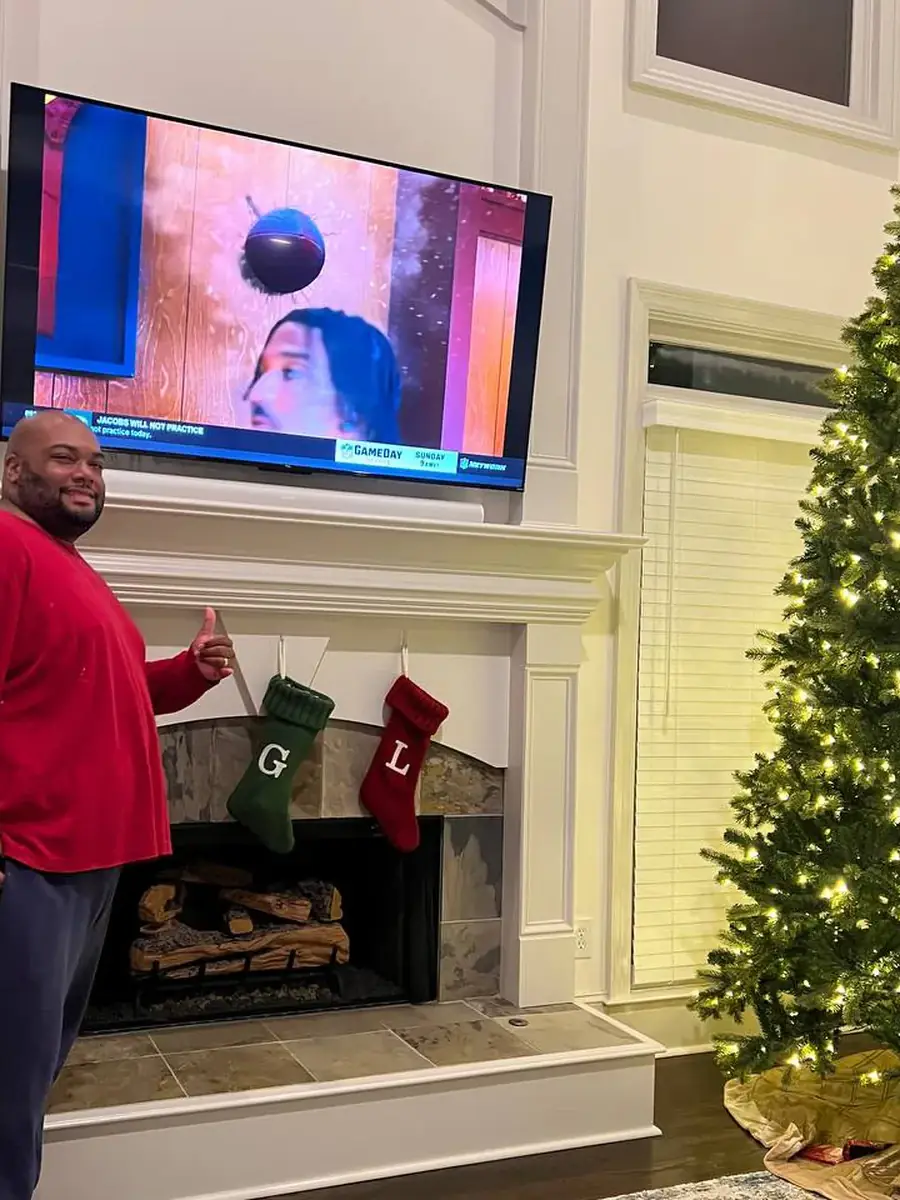
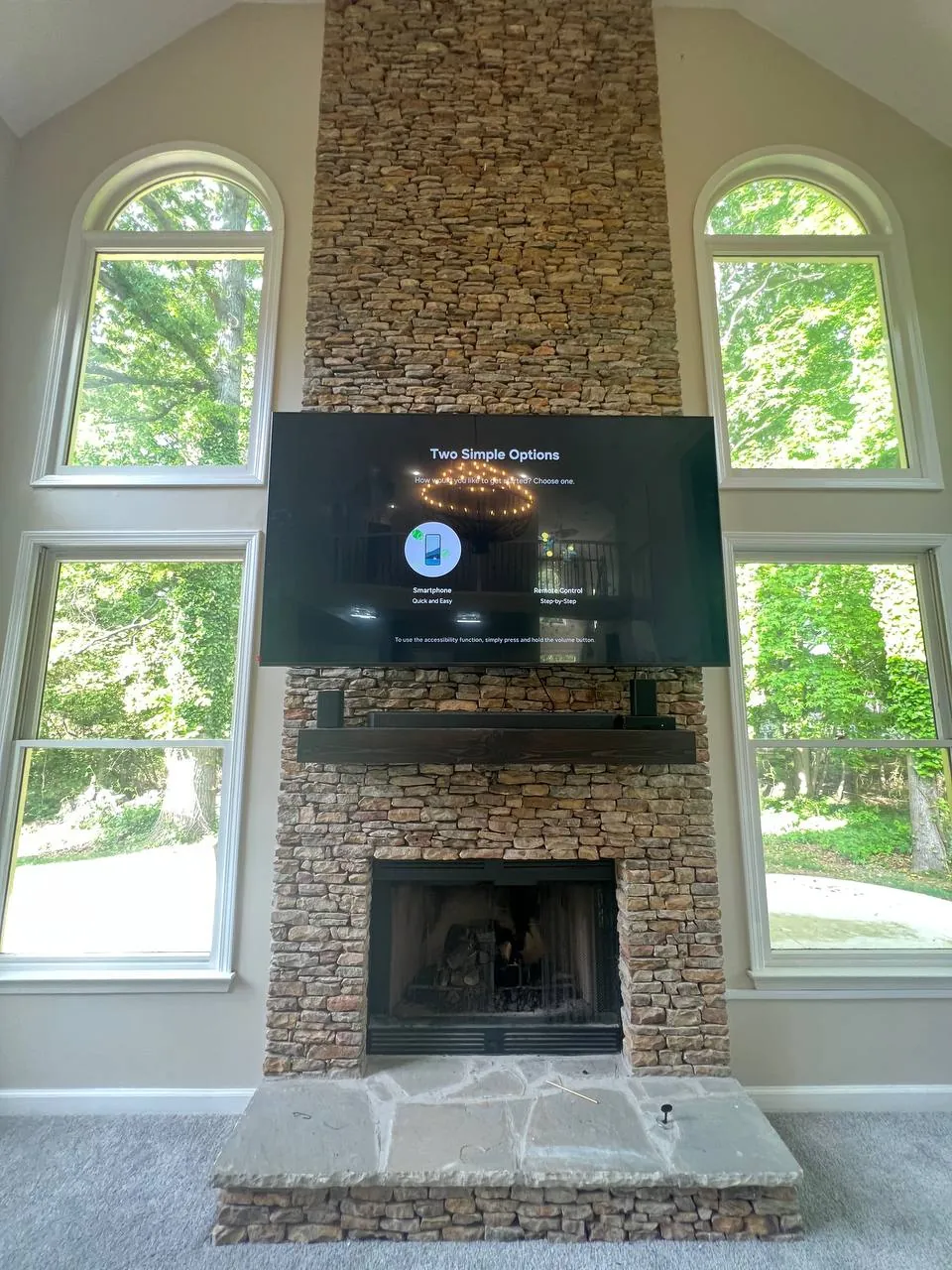
On the east side, Yalecrest is a neighborhood of English cottages and Tudor-style houses, and brick bungalows turn up on older streets across the city. Rose Park, on the west side, was laid out in the 1940s and 1950s with brick houses meant for returning veterans. Where a living room has a brick fireplace, a TV over it adds $49 for the fireplace spot and $59 for the masonry.
Many houses here sit over basements, old and new alike, and plenty have been finished as living space. A basement TV wall is usually either drywall on framing, which adds nothing, or bare foundation concrete, which takes masonry anchors at $59. Downtown, new apartment and condo towers bring poured concrete columns, priced the same way, and each building's rules on drilling and elevator use come before any booking.