Rancho Santa Fe began as an 1841 land grant. The Santa Fe railroad bought it in 1906 to grow eucalyptus for railroad ties, found the wood too soft to hold a spike, and sold the land as ranch plots instead, under the name Rancho Santa Fe from 1921. Lilian Rice, an architect with the firm of Requa and Jackson, planned the village and designed its center and several houses between 1921 and 1927, in a Spanish Colonial Revival style the rest of the community followed. It remains unincorporated, low in density and green, and it borders Solana Beach to the southwest and Encinitas to the west.
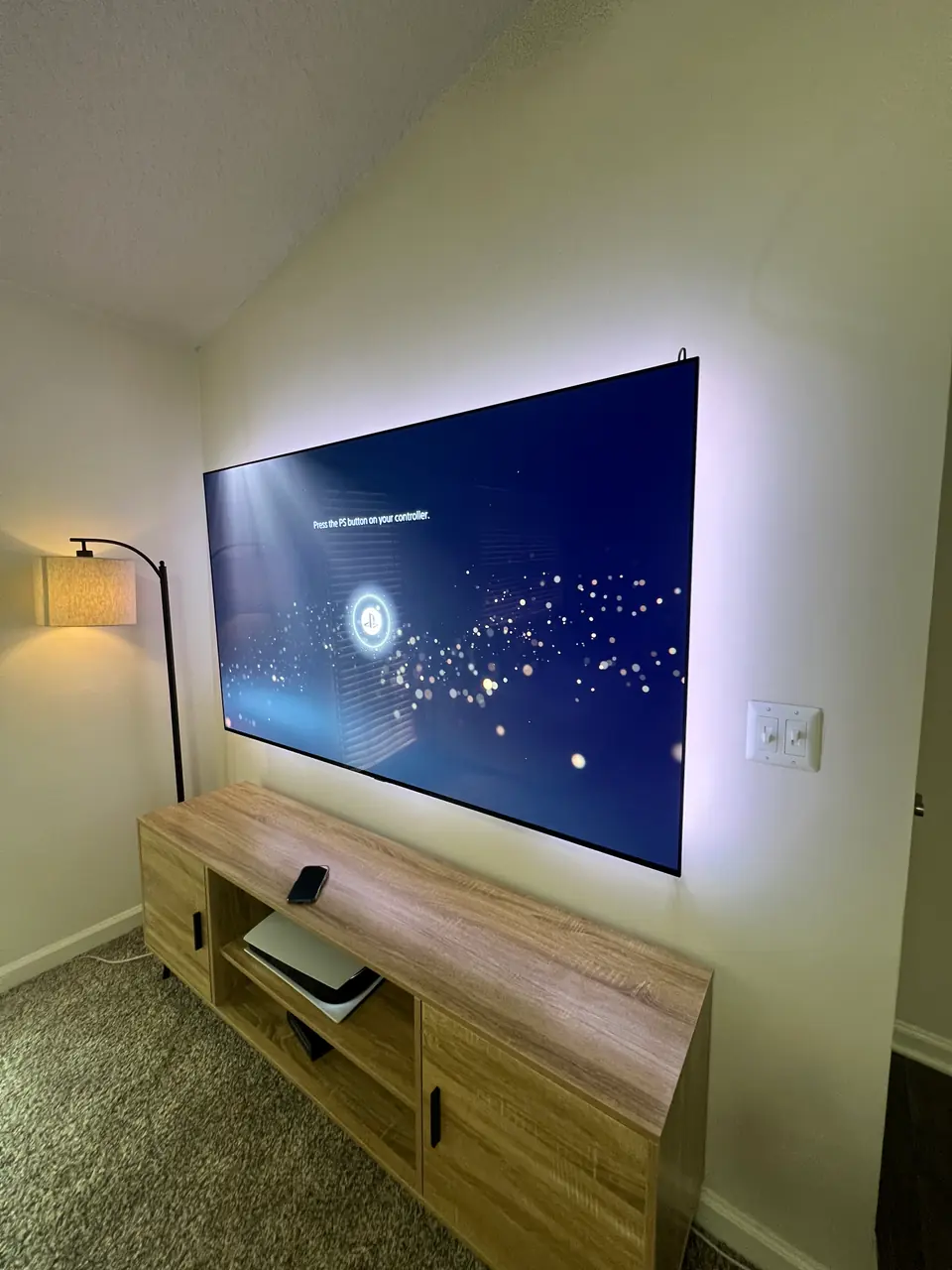
Her first house here, La Flecha House from 1923, was built of adobe brick, rough-plastered outside and smooth-plastered inside, and the community's historical society now occupies it. A few of the earliest buildings have adobe like that under the plaster. Most houses built since are wood framing under stucco and plaster, and plaster over studs mounts at the drywall price, with room inside the wall for cables to an outlet behind the TV, $99. Adobe is sun-dried earth, softer than fired brick, so send a photo of an adobe wall before booking a TV on it.
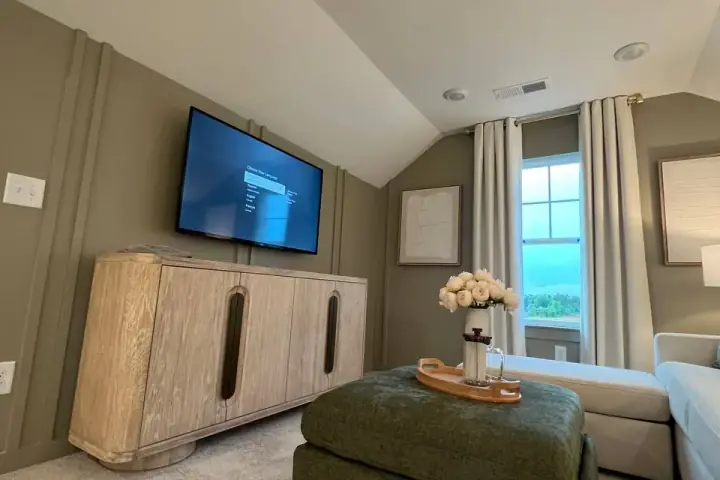
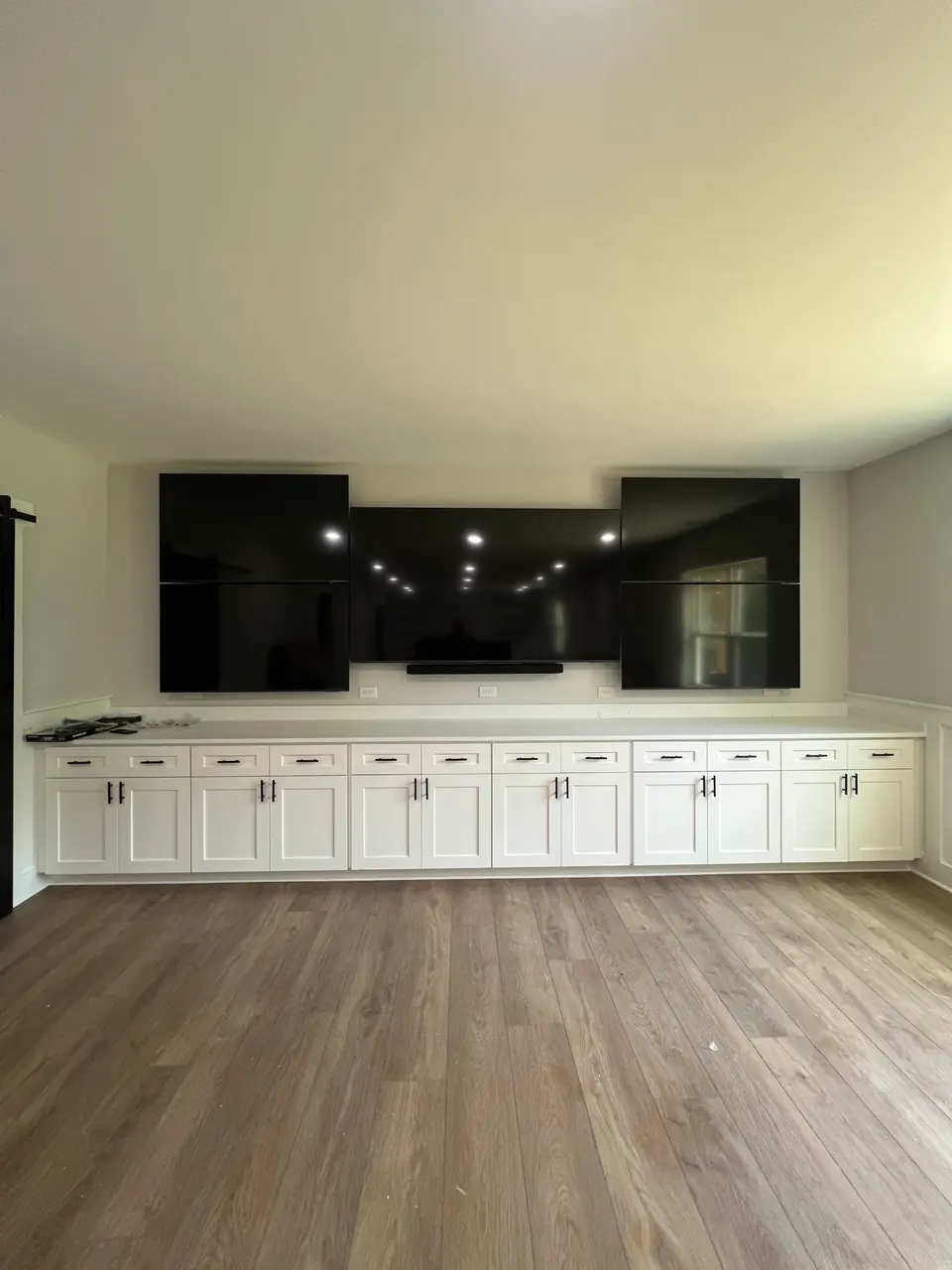
Large lots leave room for large houses, and big rooms change the TV. A screen that fills a small den can look modest across a long living room, so it pays to size it from the seat. Anything 60 inches and up has two labor prices: $165 with you holding one side during the lift, or $210 with two technicians and nothing for you to carry.
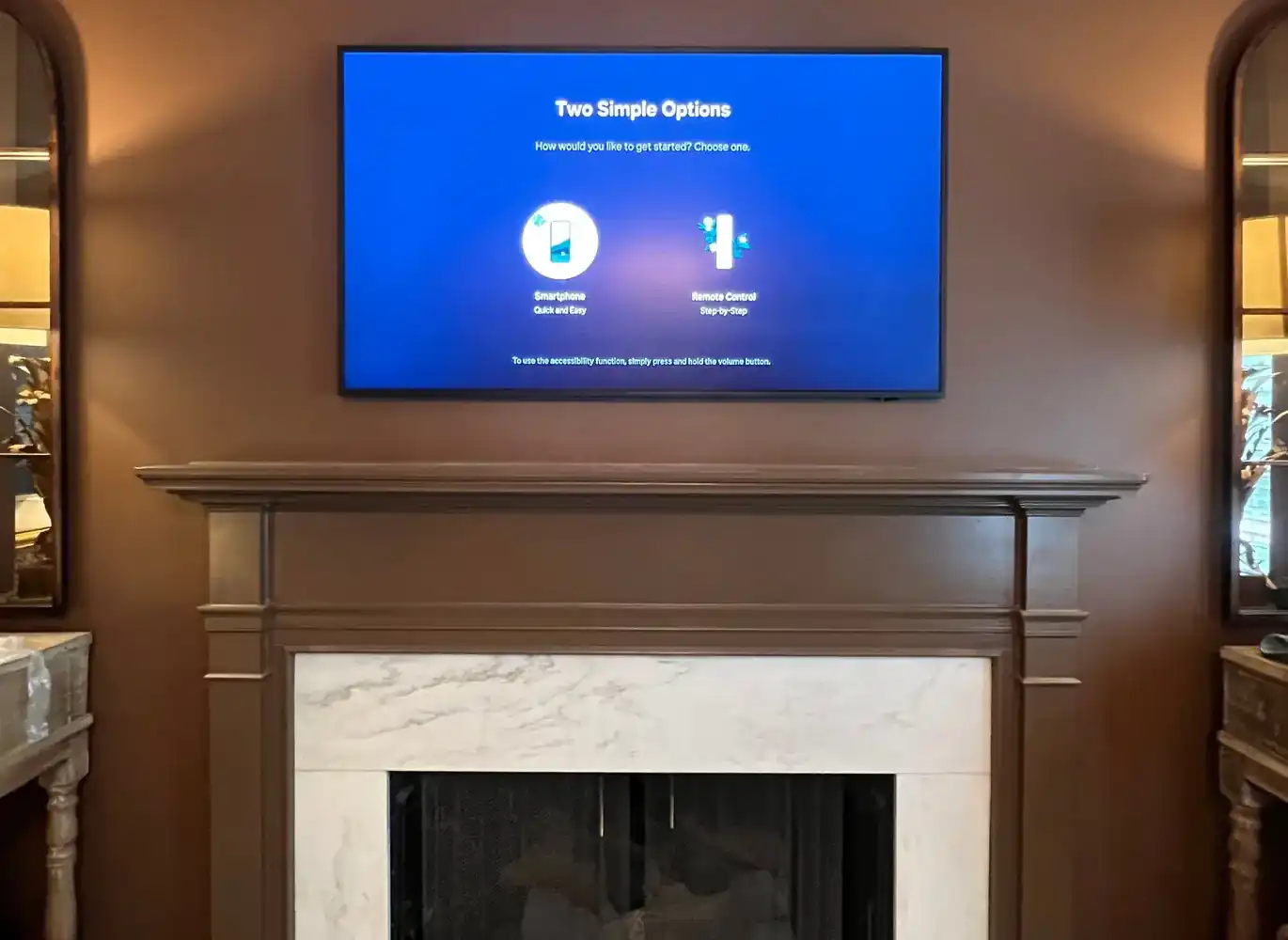
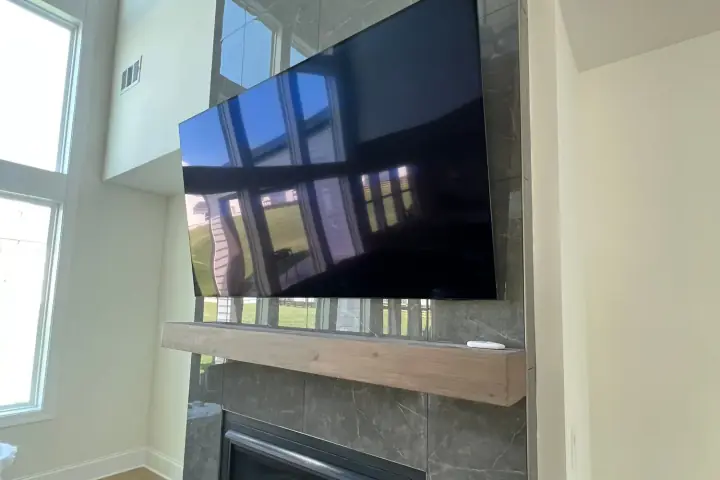
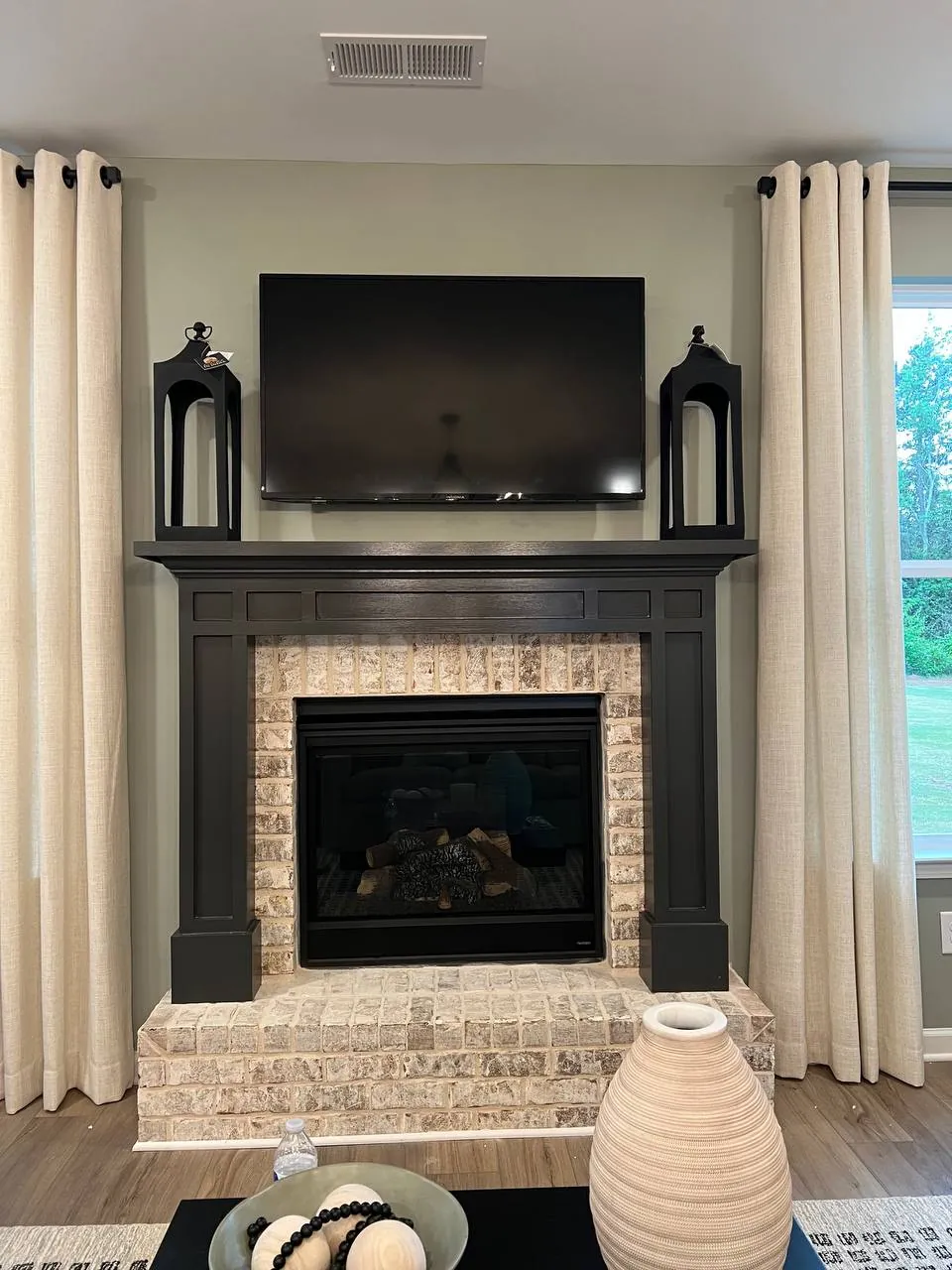
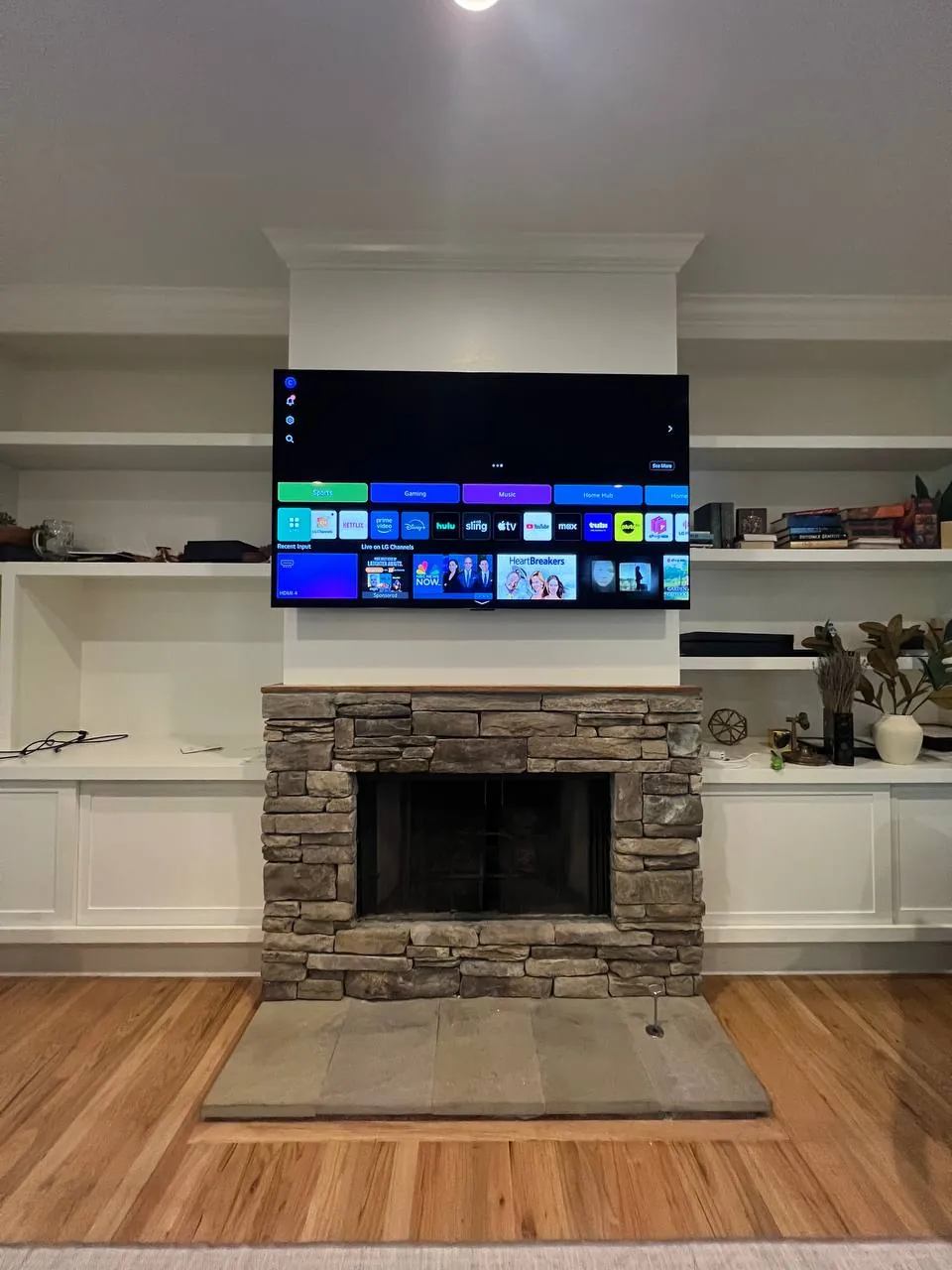
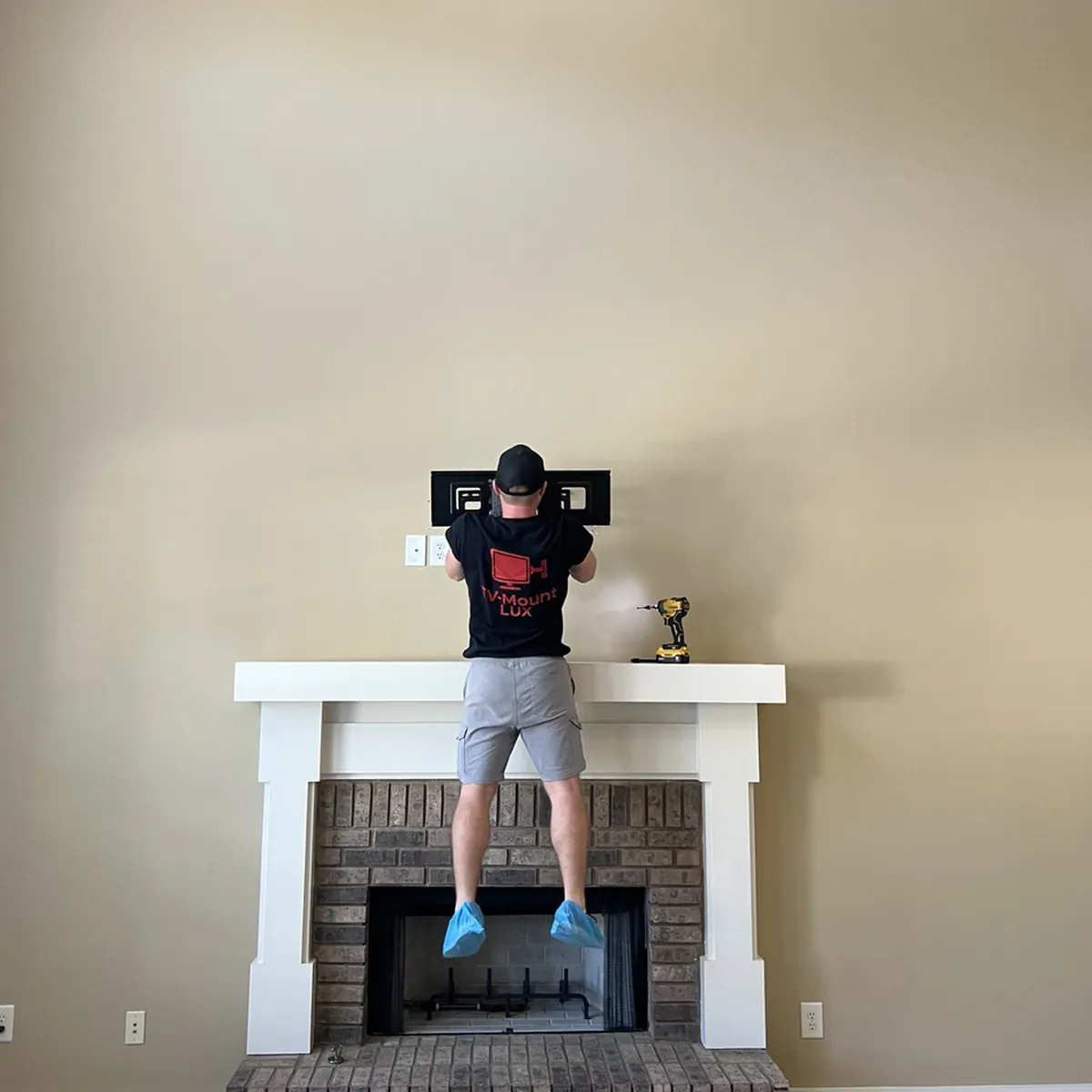
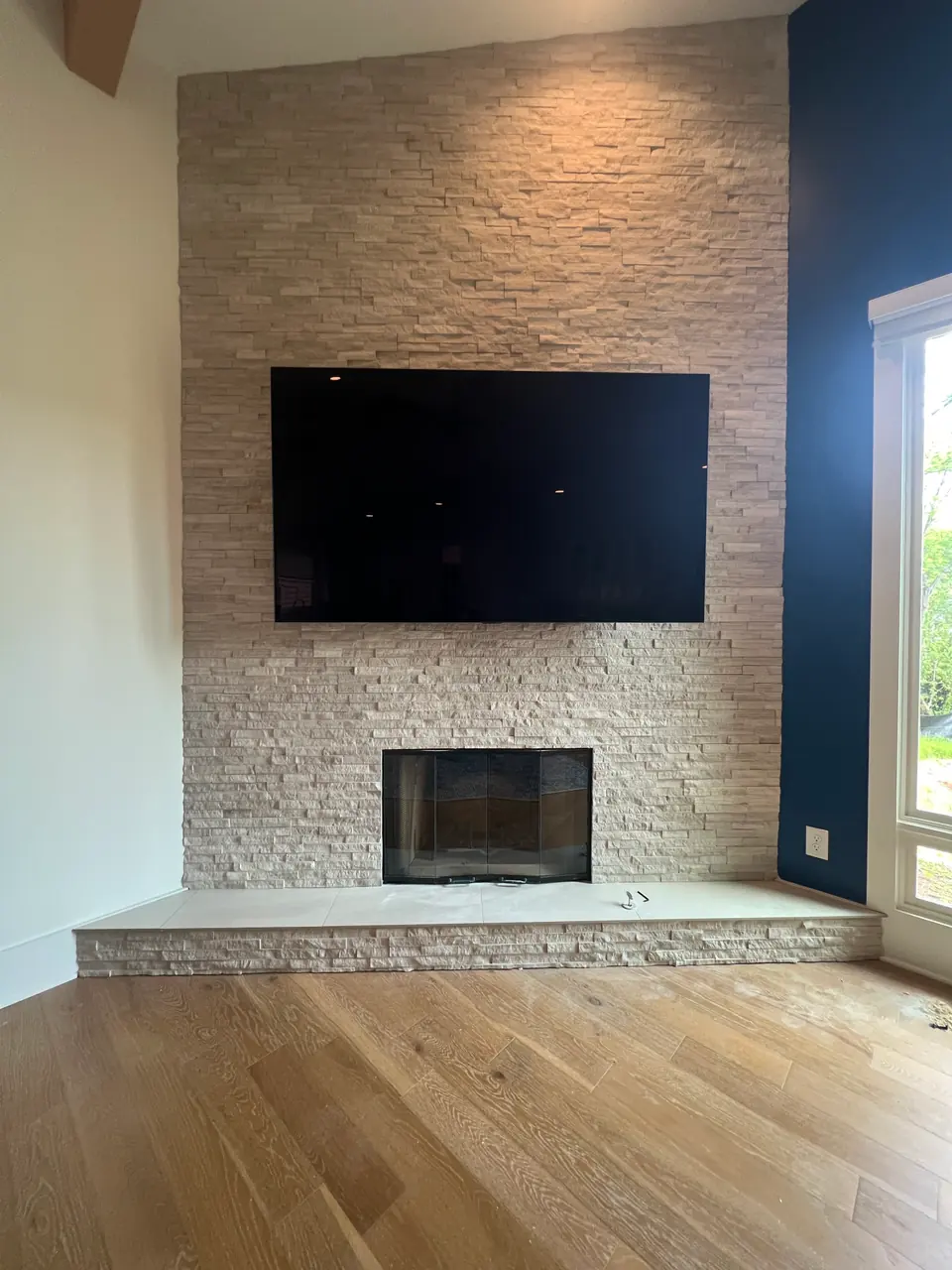
If a fireplace wall is plaster, find out what's under it before choosing the spot. Over a framed face, the TV carries no wall charge, and cables can run inside for $149 above the fireplace. Brick or block calls for masonry anchors at $59, with the cords in a paintable cover. Every install includes a load test of the mount before the TV hangs on it.