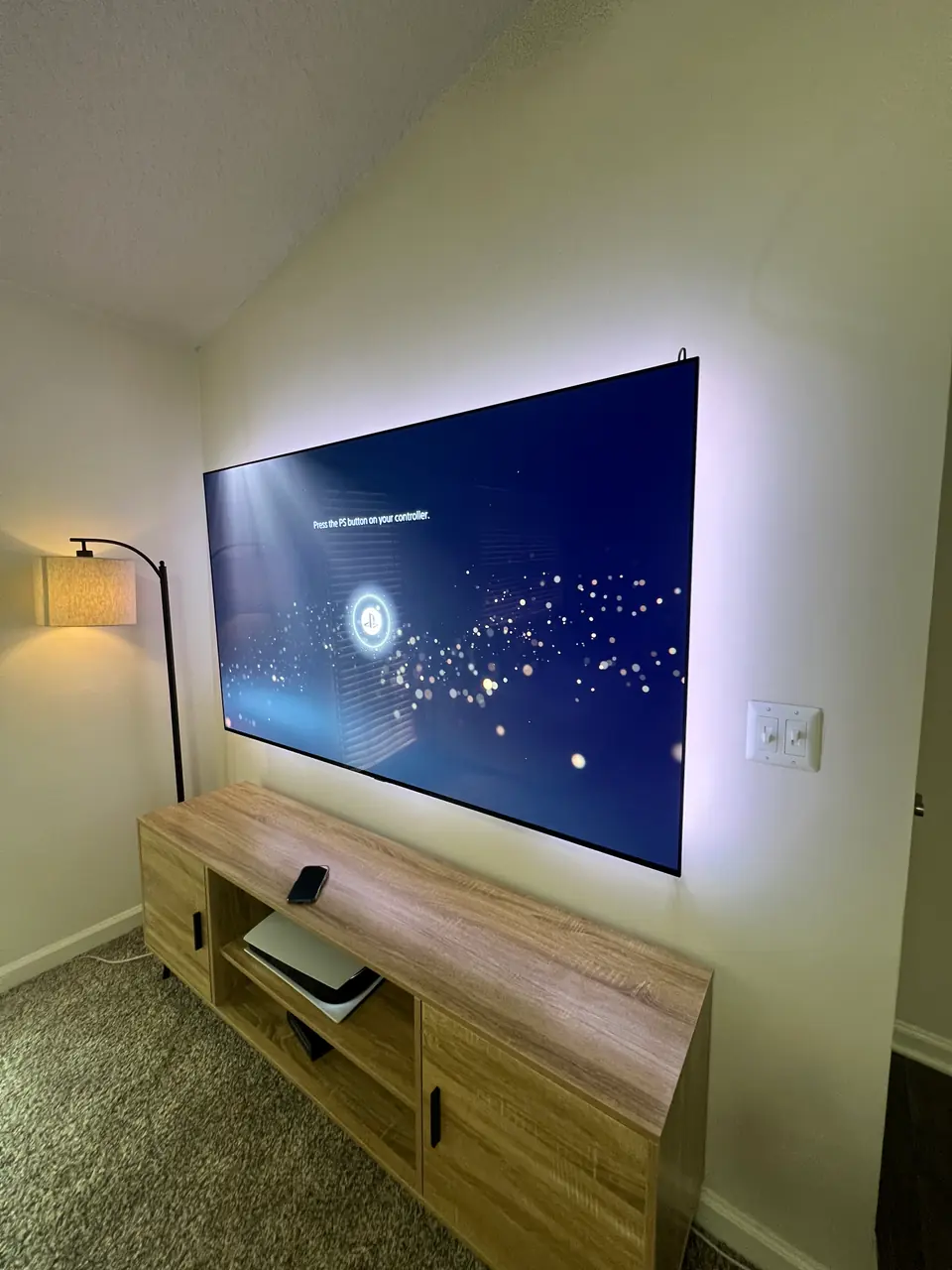
The original Chula Vista lies west of Hilltop Drive and north of L Street, and the corner of Third Avenue and F Street once counted as the center of town. A few Victorians, Craftsman bungalows and Spanish-style houses survive from those early decades. Much more of the west side filled in after the Second World War, as tracts took over the lemon groves. Those post-war houses are usually stucco outside and wood studs inside, finished with plaster or drywall. The price is the same for either, because the mount's lag bolts pass through the finish into the studs.
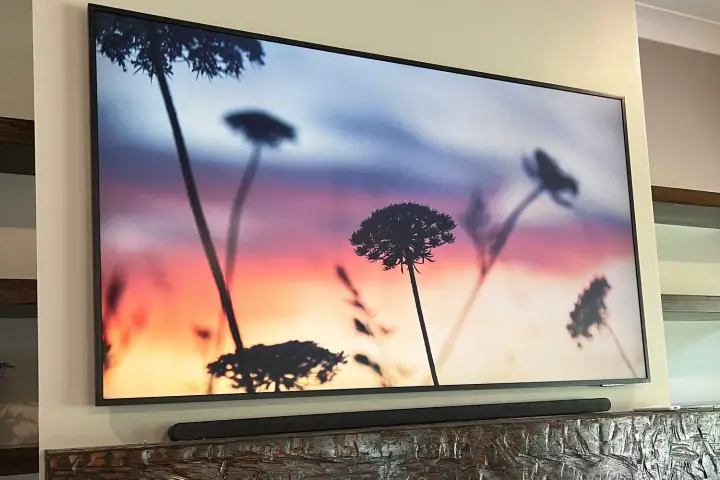
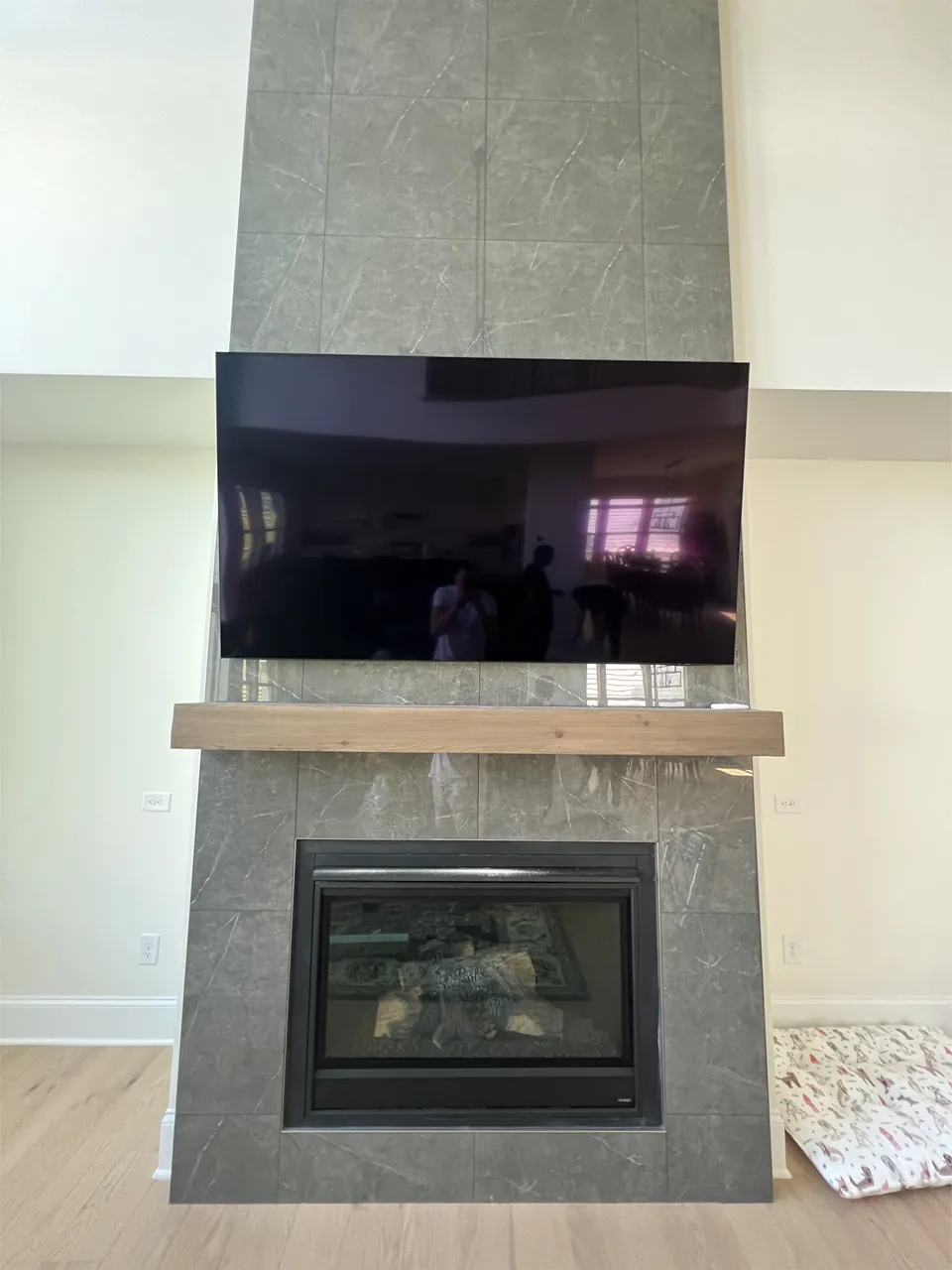
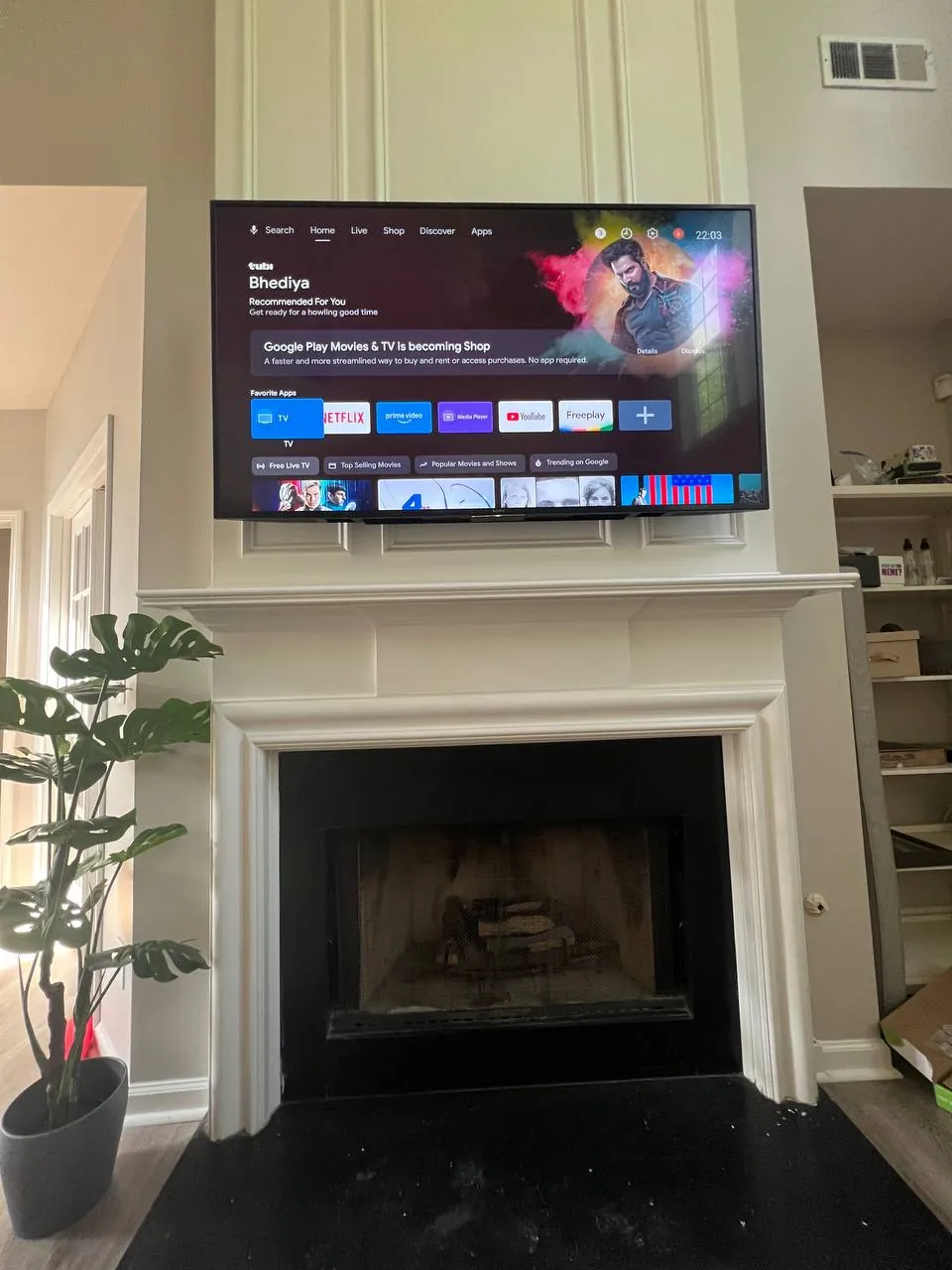
Many west-side living rooms center on a brick fireplace. Hanging the TV over one brings two charges, $59 to anchor into the brick and $49 for the fireplace position. Brick leaves no hollow space for wires, so the cords travel down its face in a paintable cover or drop to a cabinet below. A drywall wall across the room avoids both charges and leaves space to run the cables inside.
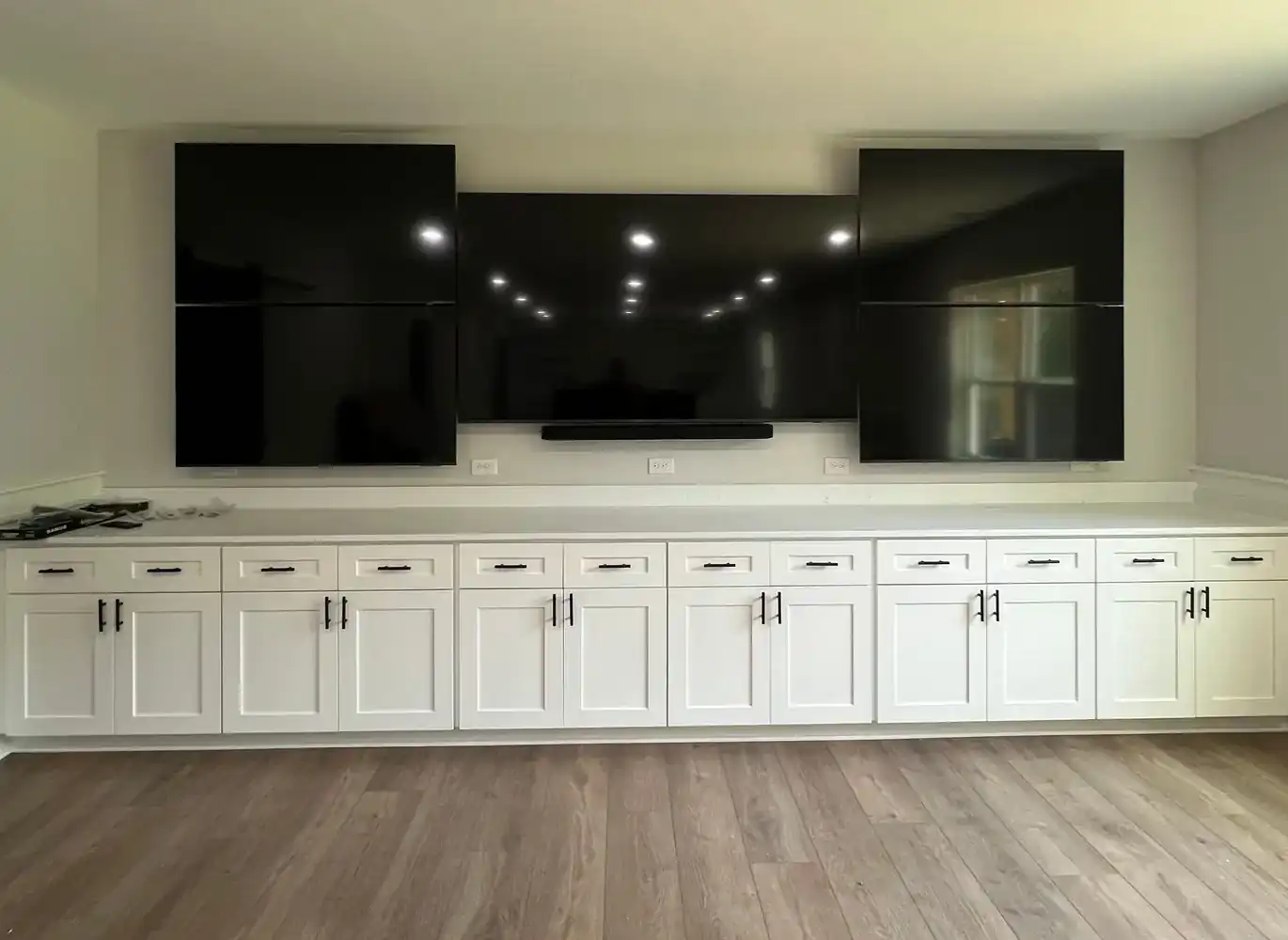
East of the freeway, Eastlake broke ground in 1986 around a man-made lake, Rancho del Rey followed in 1989, and building in Otay Ranch began in 1999, with villages such as Windingwalk, Montecito and Escaya. Many houses there are two stories, stucco outside and drywall over wood studs inside, so the wall rarely changes the total. Family-room fireplaces tend to burn gas, with drywall above the mantel instead of brick. A TV over one carries the $49 fireplace line and no wall charge, and its cables can run inside that wall to a new outlet behind the screen for $149. Some of the earlier houses also came with a recessed niche sized for a tube TV.
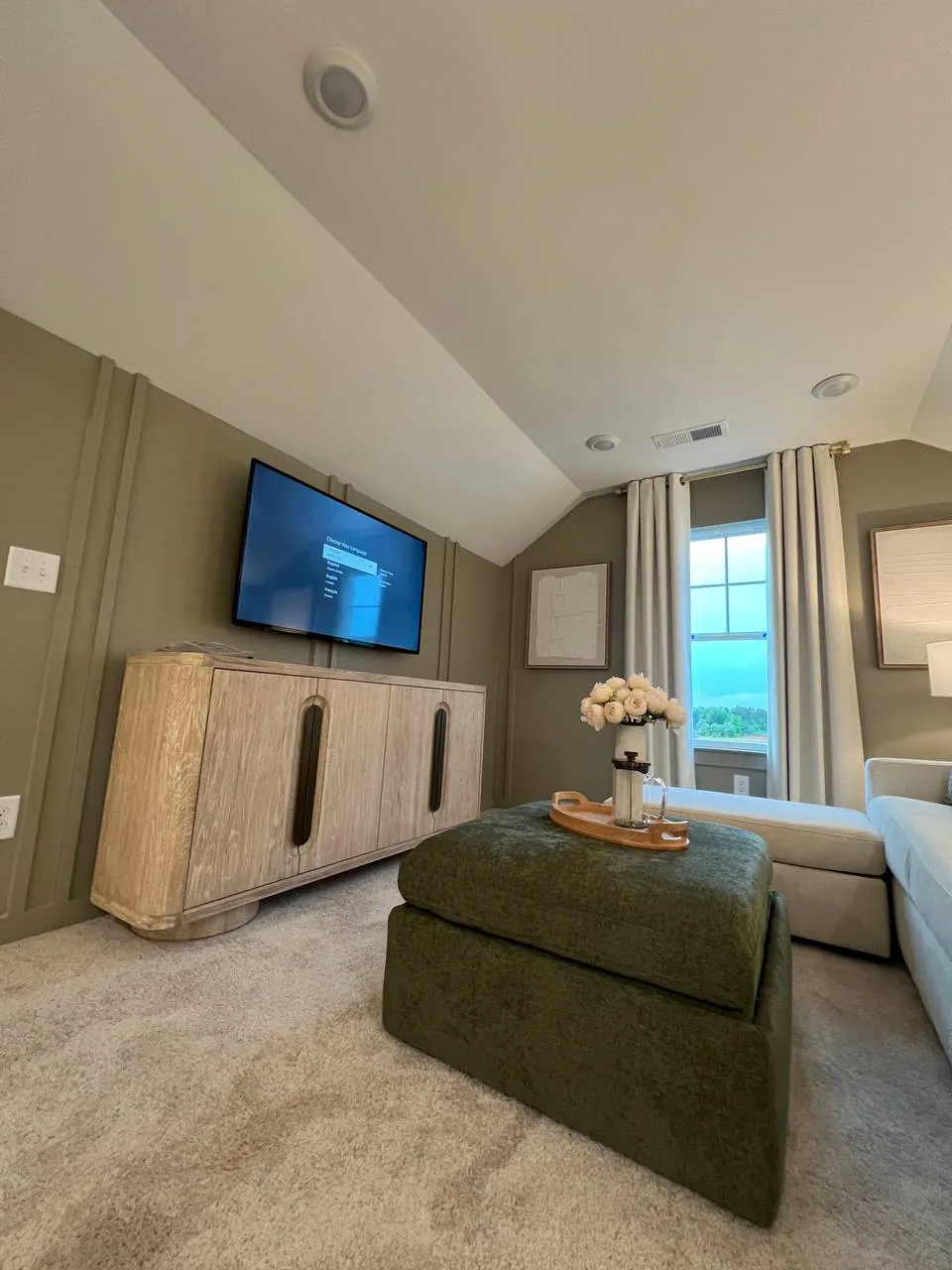
Millenia, the urban center of Otay Ranch, has been filling with apartments, condos and townhomes since its first apartment community opened in 2016. Buildings that new are drywall inside, which adds nothing, but drilling and in-wall cable work are for the association or the landlord to approve. When the walls must stay closed, a 55-inch TV on a fixed mount with its cords in a paintable cover comes to $227.