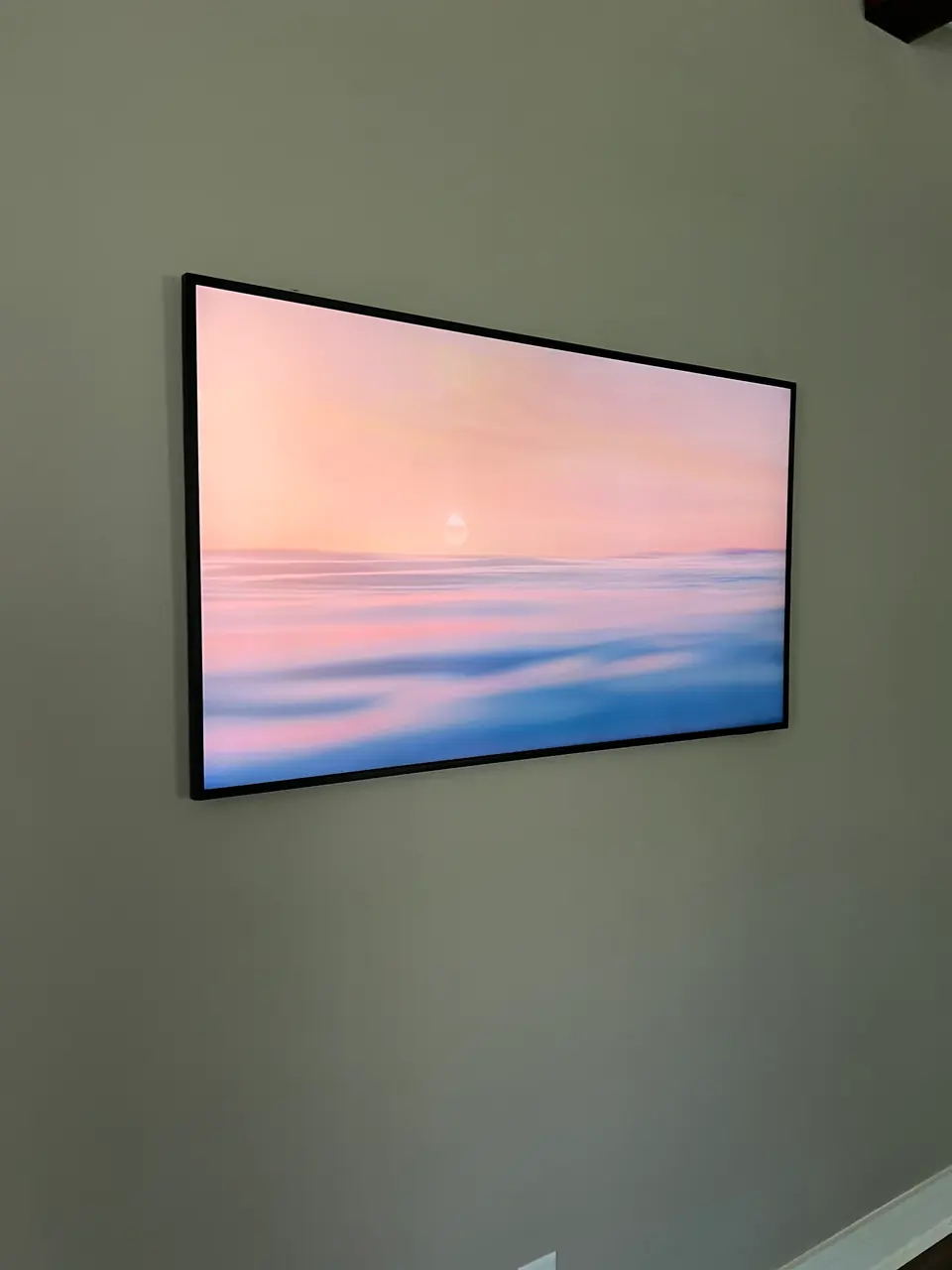
The spring belonged to an early ranch whose adobe house, later home to the historian Hubert Howe Bancroft, is now a National Historic Landmark. Most of Spring Valley came much later. Its housing is largely post-war, and on the older, flatter streets the common house is a one-story ranch with an attached garage, stucco outside and wood studs inside. Walls are drywall or, in some of the earliest houses, plaster, and neither costs extra to mount on. Unlike its neighbors Lemon Grove and La Mesa, Spring Valley never became a city, and the county governs it.
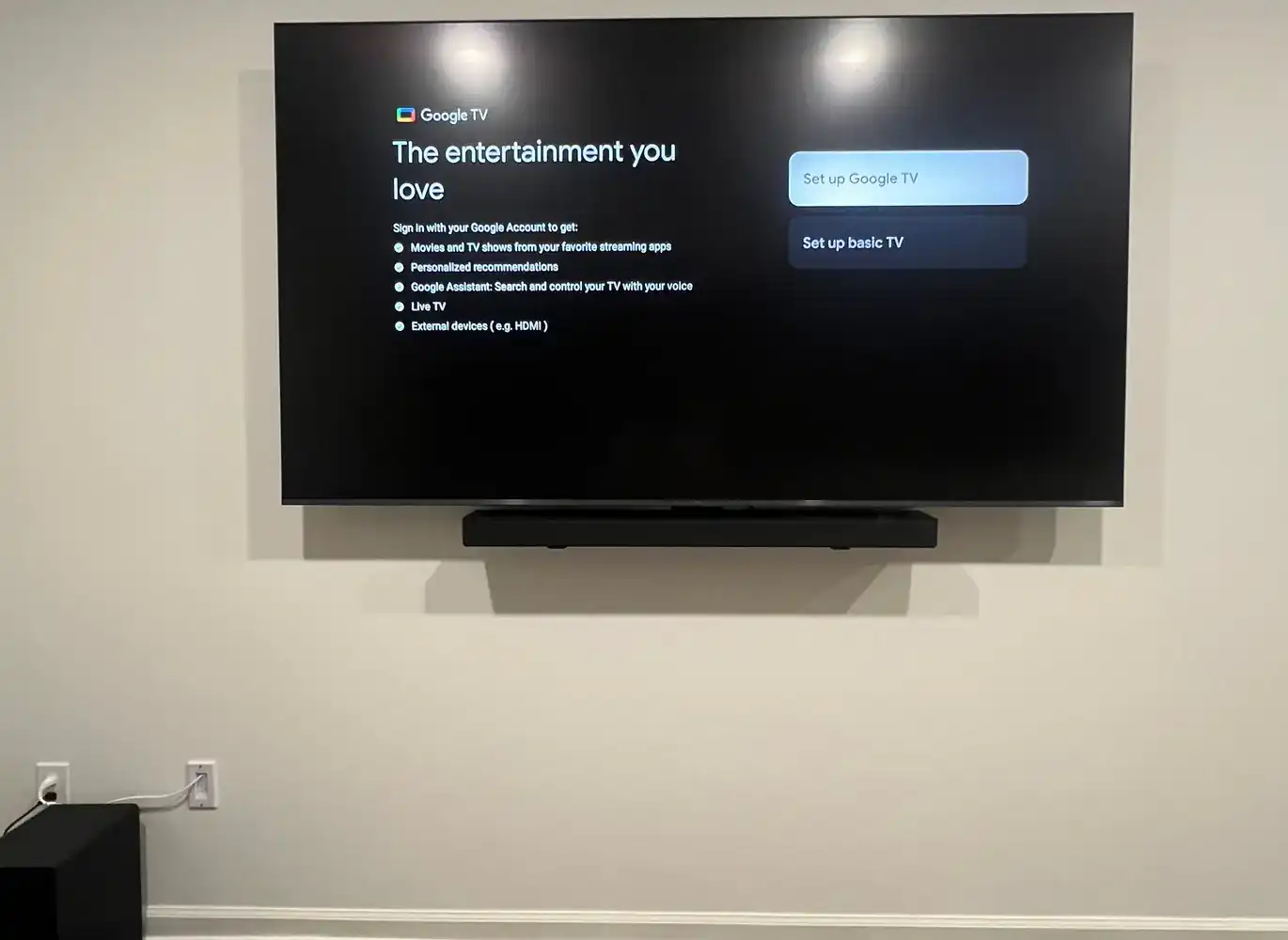
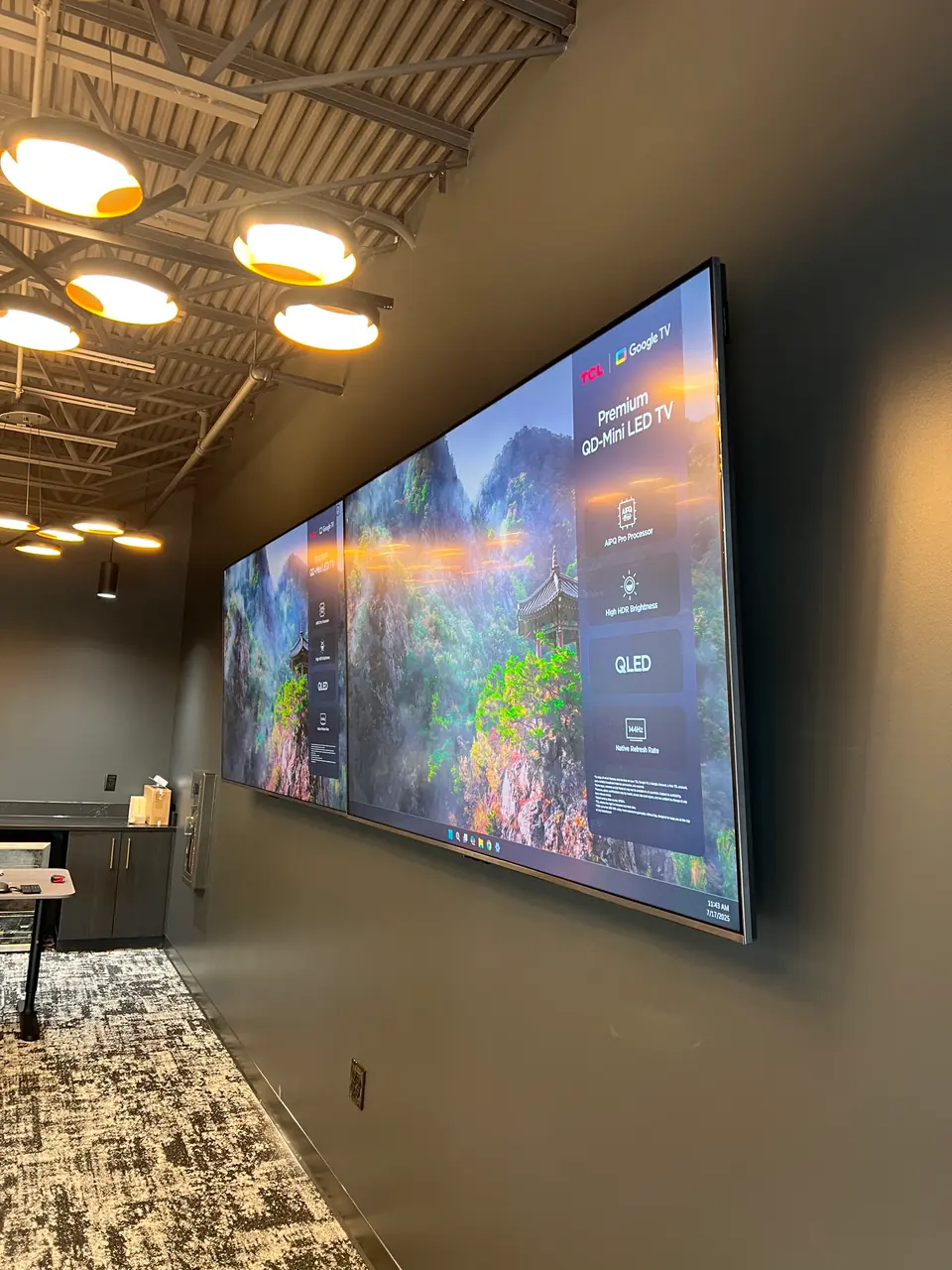
Dictionary Hill, called Lookout Mountain in the 1800s, tops 1,000 feet, and its streets climb the slopes in a straight grid instead of winding around them. Many houses there sit on steep lots, with steps between the curb and the front door, and La Presa, which most people still count as part of Spring Valley, has hillside streets of its own. That matters when the TV is big. At 60 inches and up, labor is $165 if you help carry and lift, or $210 when two technicians bring it from the curb to the wall.
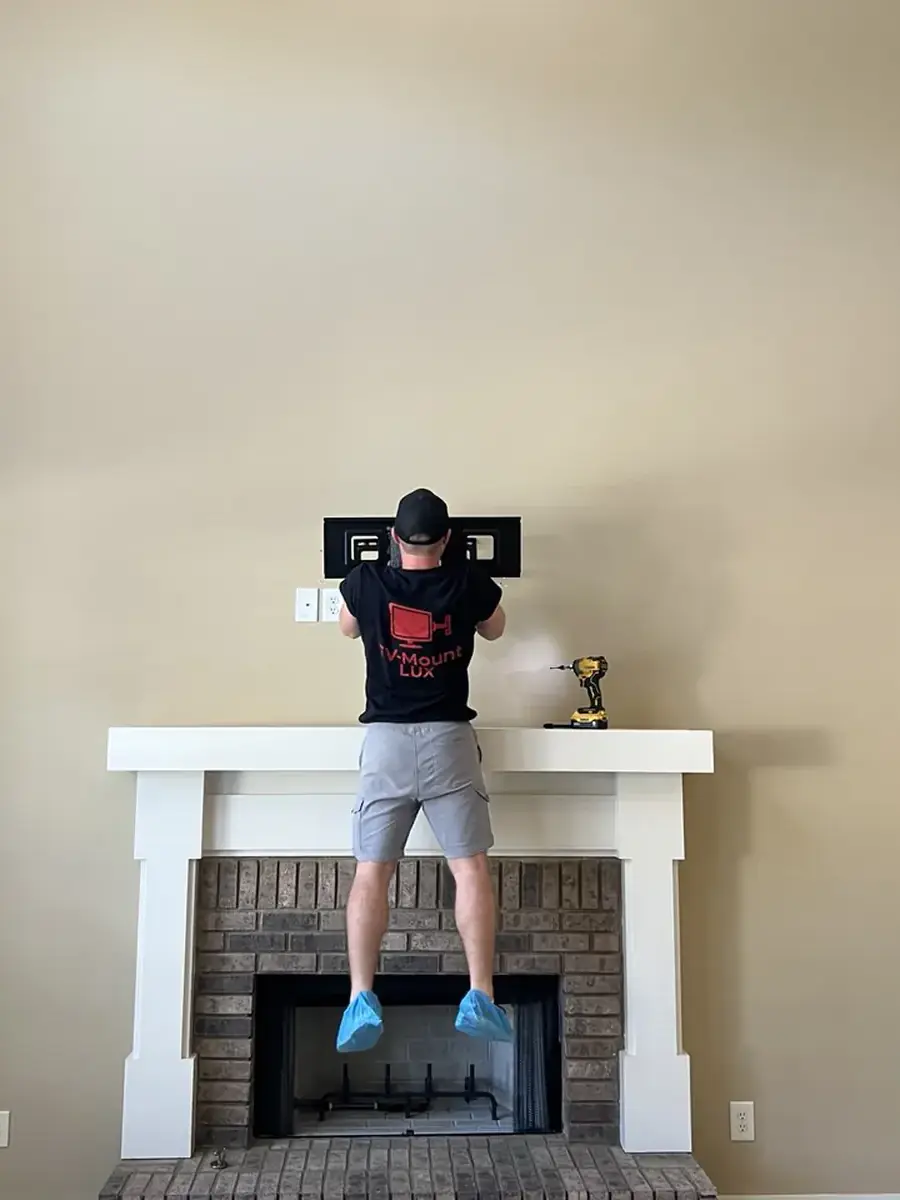
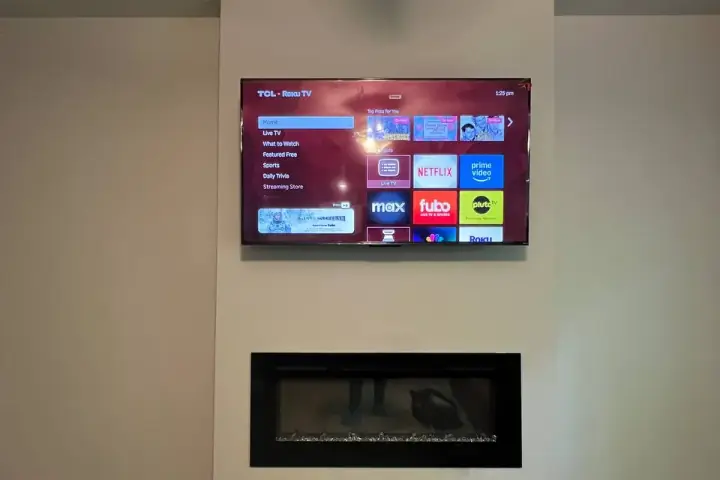
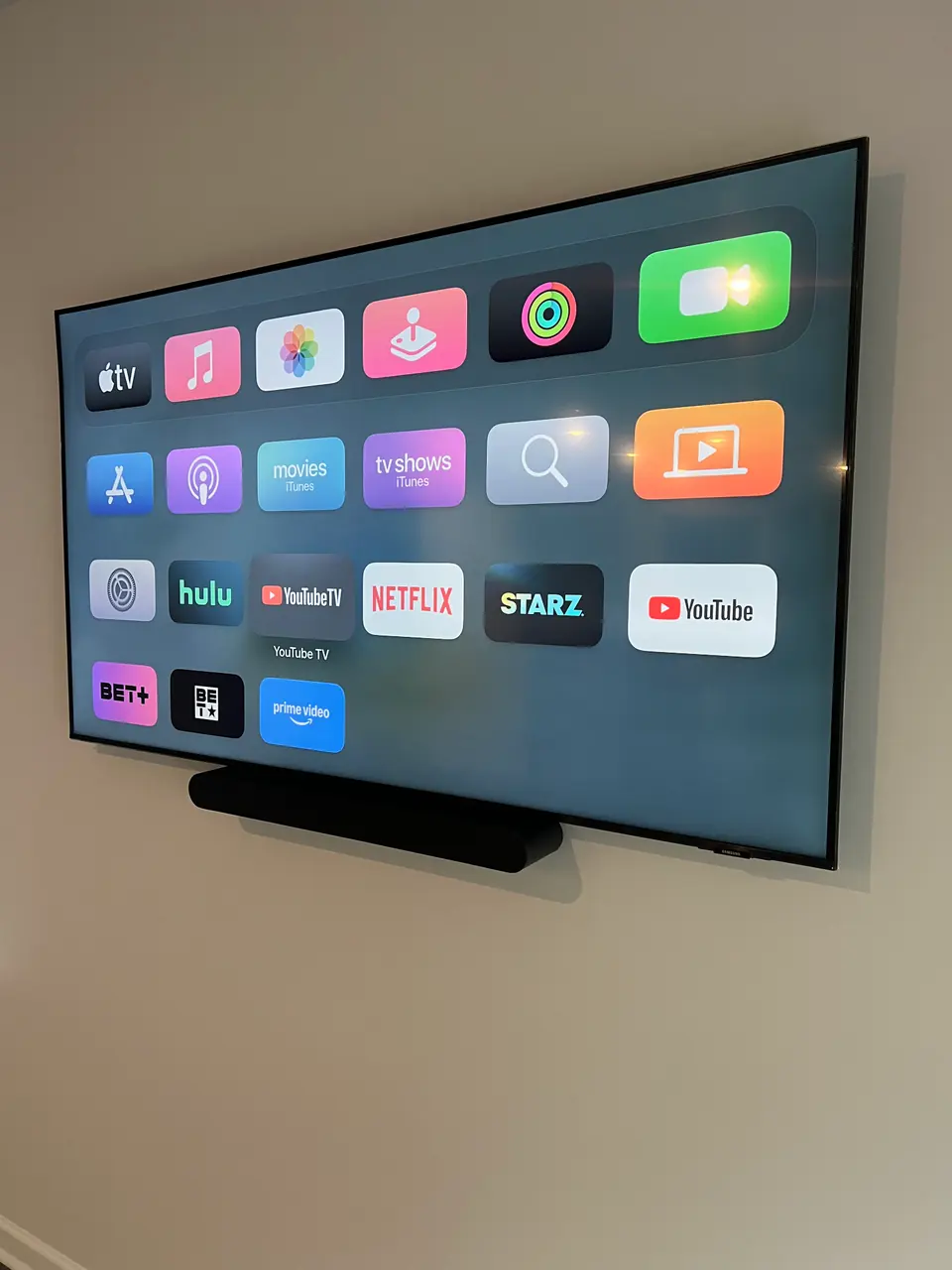
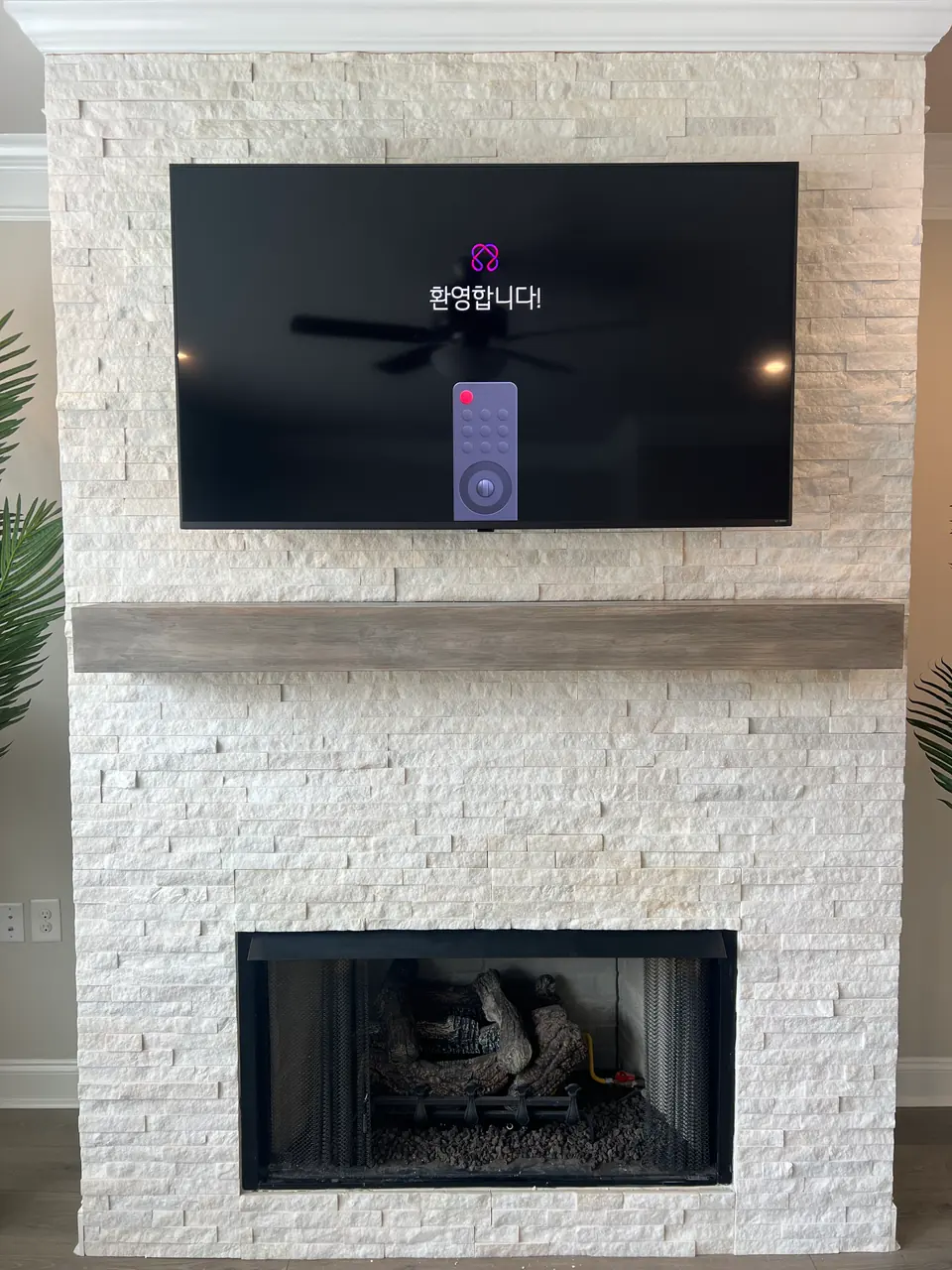
Casa de Oro, to the north, also uses Spring Valley addresses, and many of its houses are late-1950s and 1960s ranches, some looking out over the valley or a canyon. Living rooms of that age often have a brick fireplace. Mounting above it adds $59 for anchoring into the brick and $49 for the fireplace position, and because brick is solid, the cords run down its face in a paintable cover.
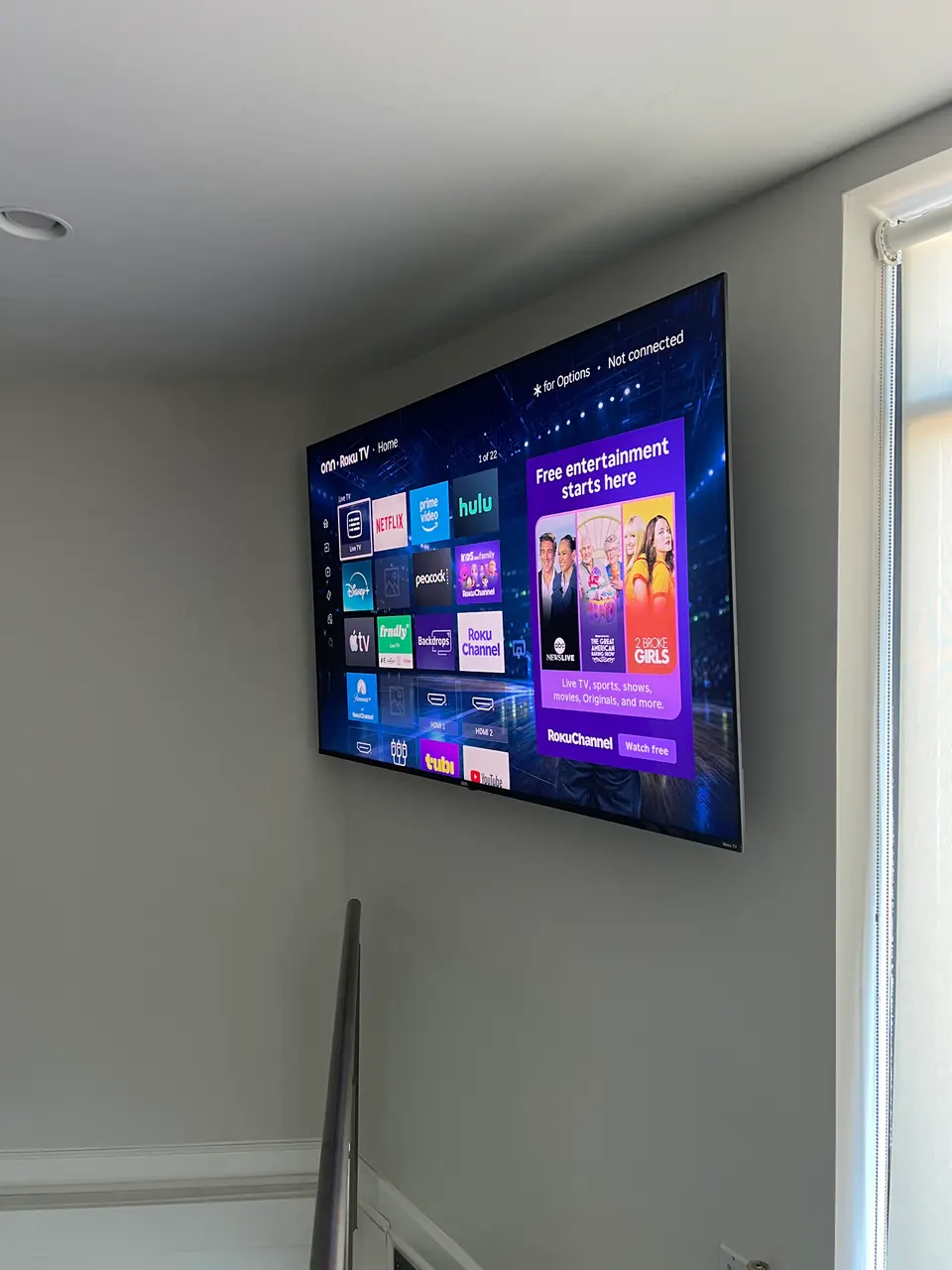
Several manufactured-home parks sit along Sweetwater Road, Bancroft Drive and Jamacha Boulevard, some of them for residents 55 and over. A manufactured home is framed lighter than a site-built house and finished with thinner wall panels, so every mount has to land on the framing behind them. For anyone who'd rather not lift, the two-technician price covers a large TV with nothing for you to hold.