Everett's mills earned it the nickname City of Smokestacks. Along Norton and Grand Avenues, now one of the city's historic overlay zones, the first homes were mill houses and simple bungalows built from lumber cut in Everett's own mills, and houses in Port Gardner grew more elaborate as families with higher incomes moved in. The Rucker Hill Historic District, listed on the National Register in 1989, is part of the same neighborhood. Inside, houses of that age were usually finished in plaster over wood lath, a surface that costs no more to mount on than drywall.
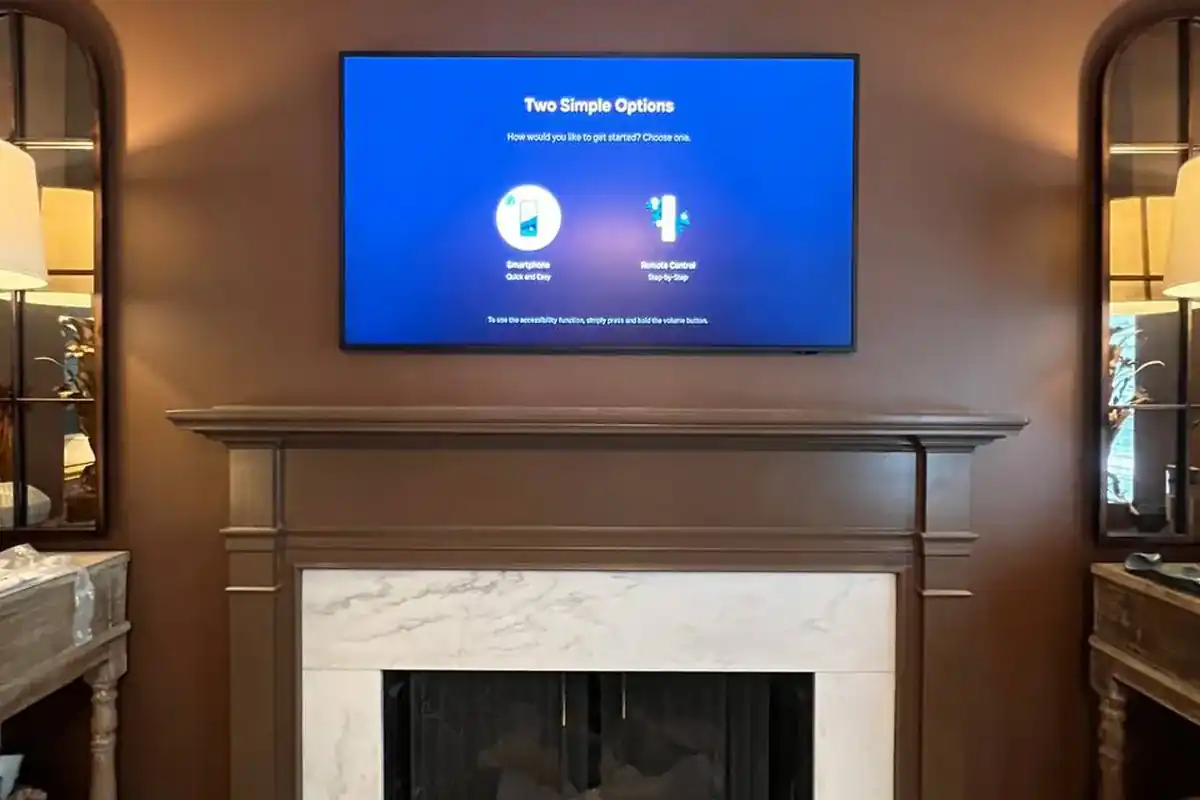
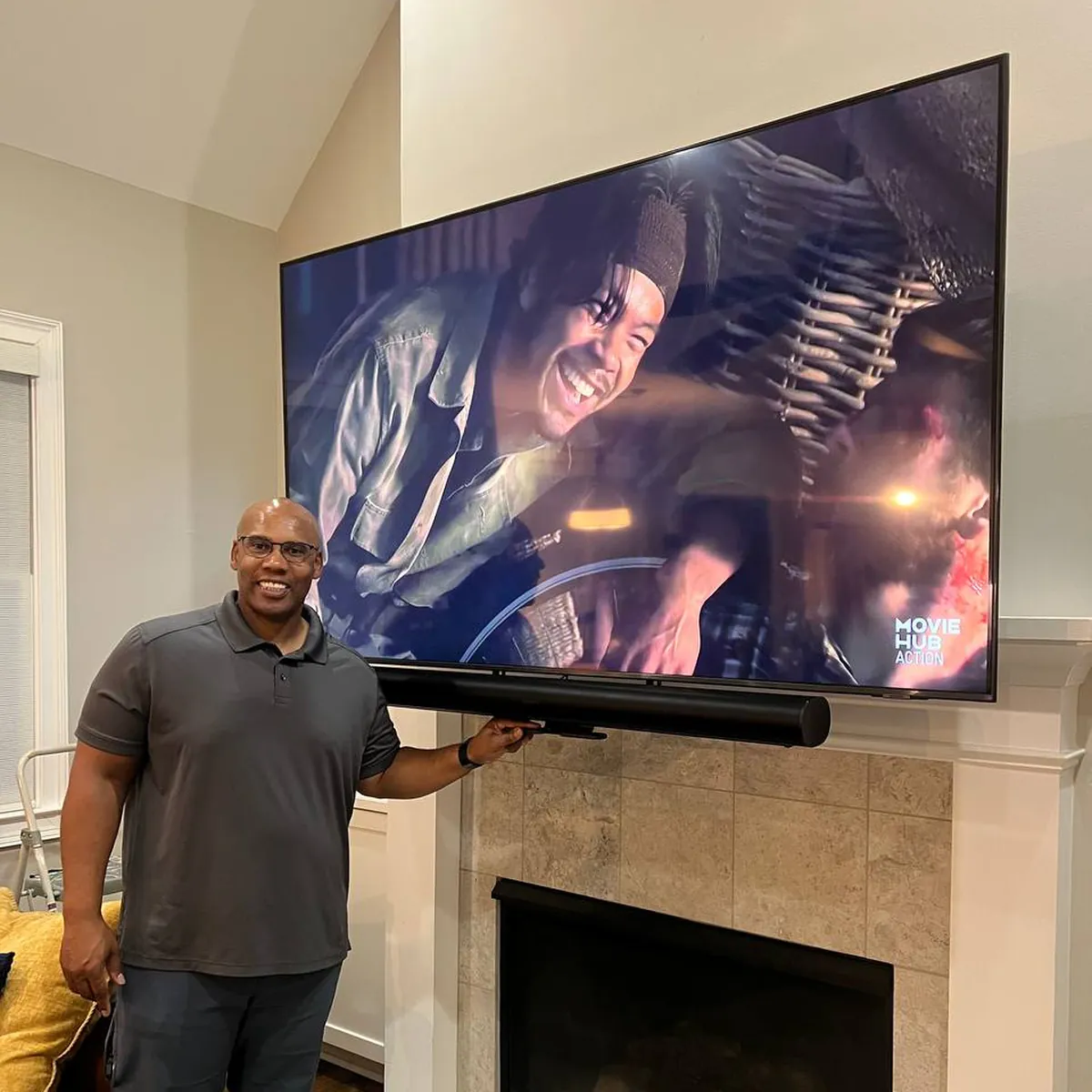
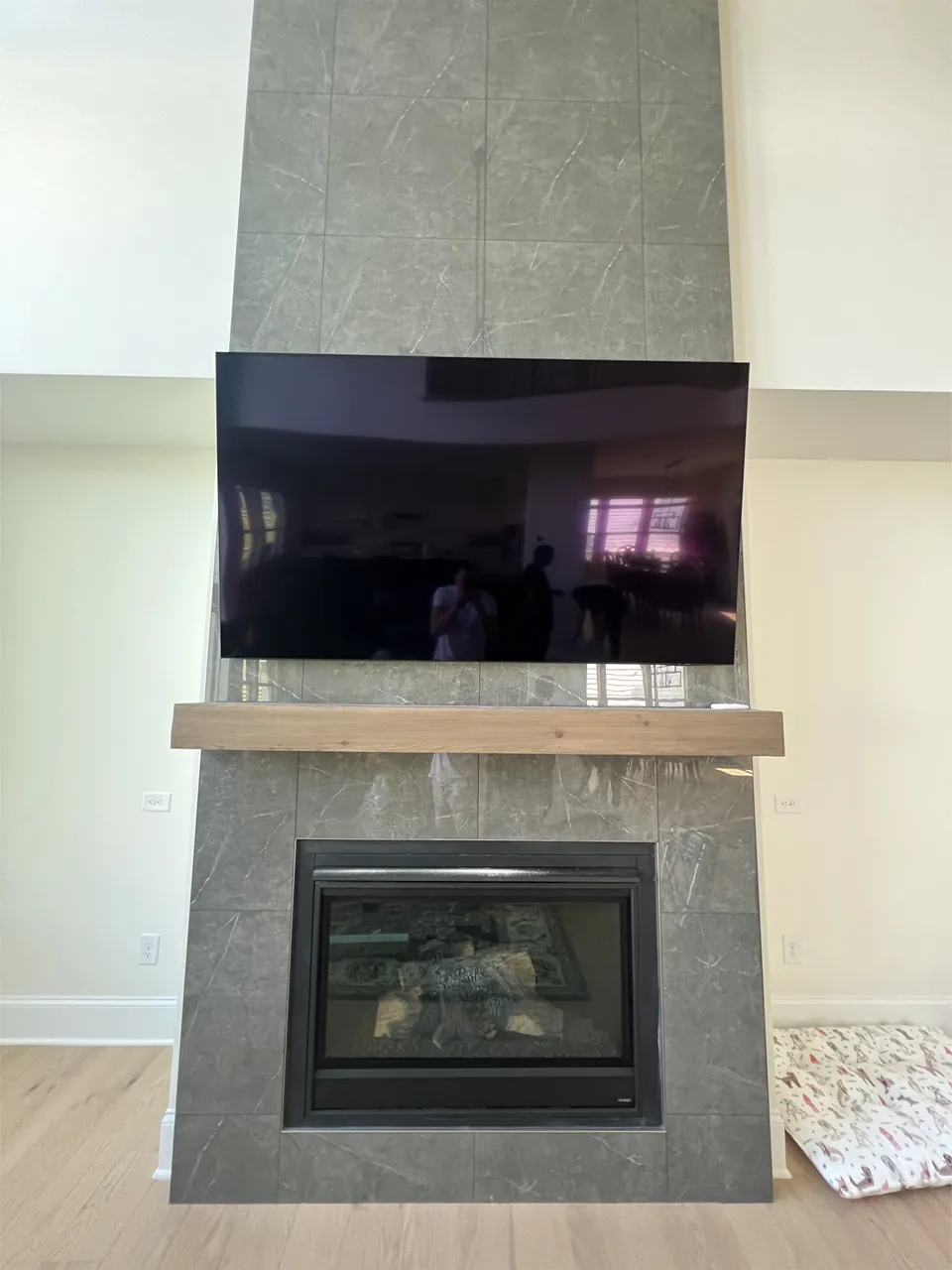
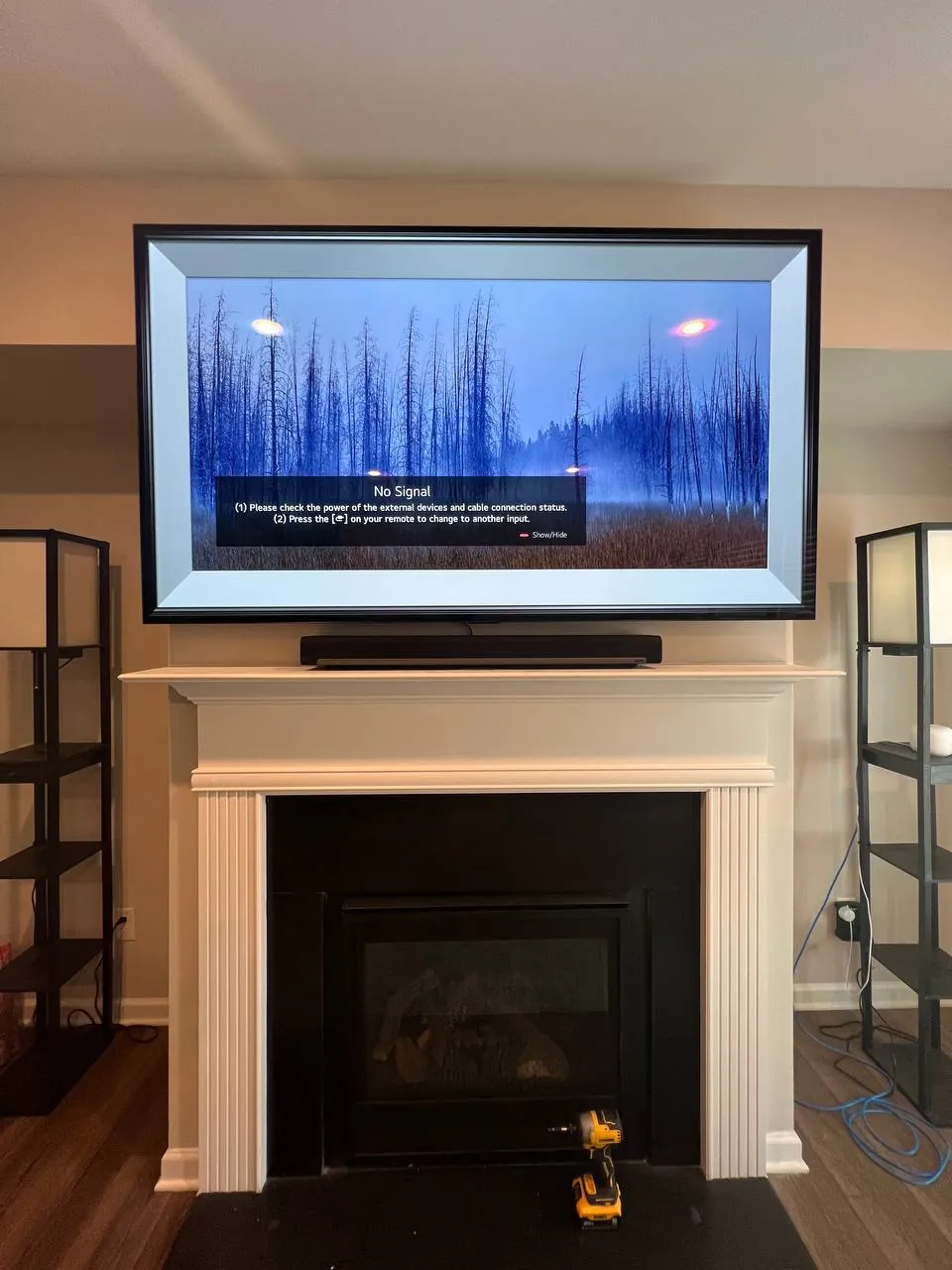
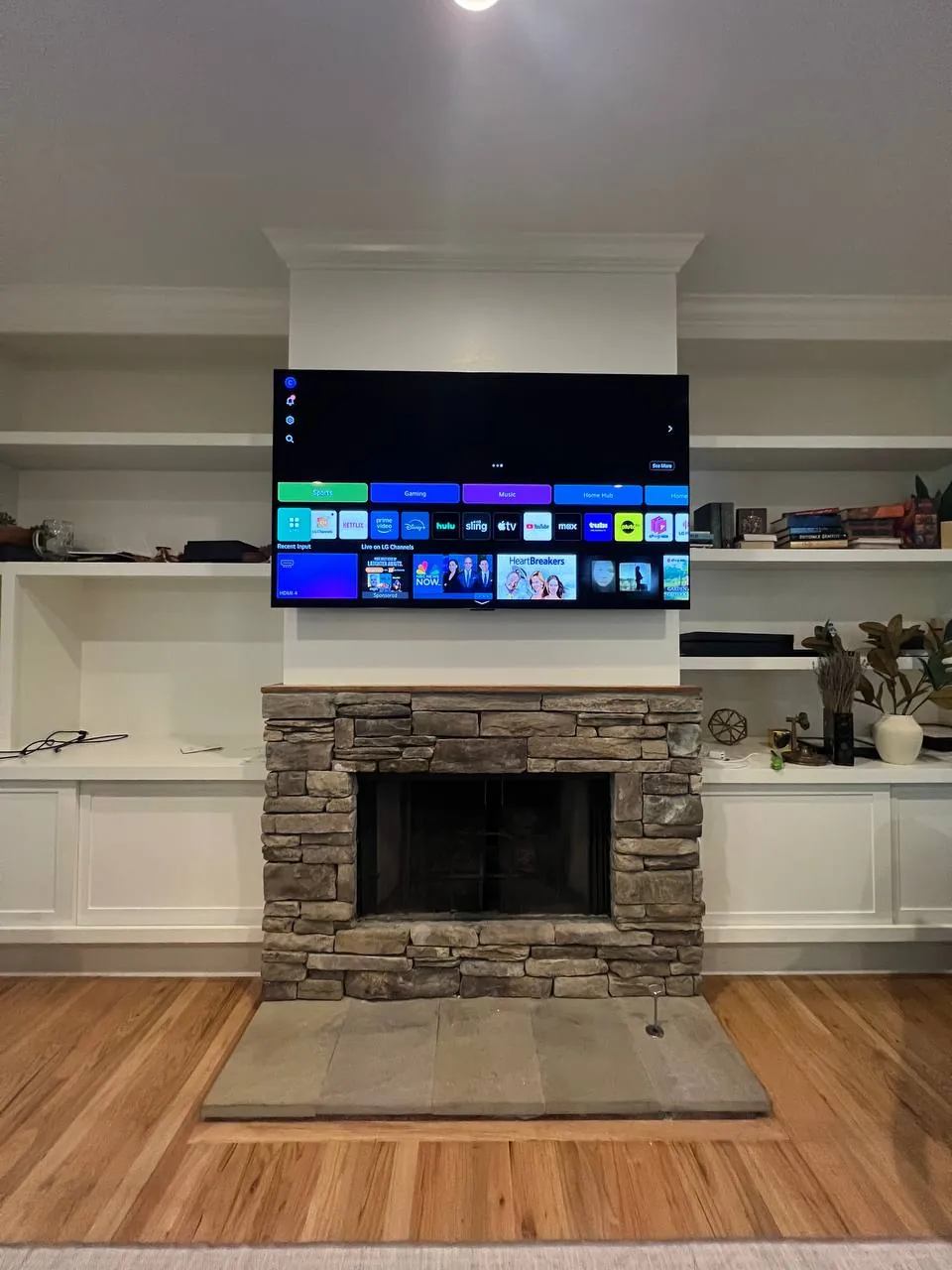
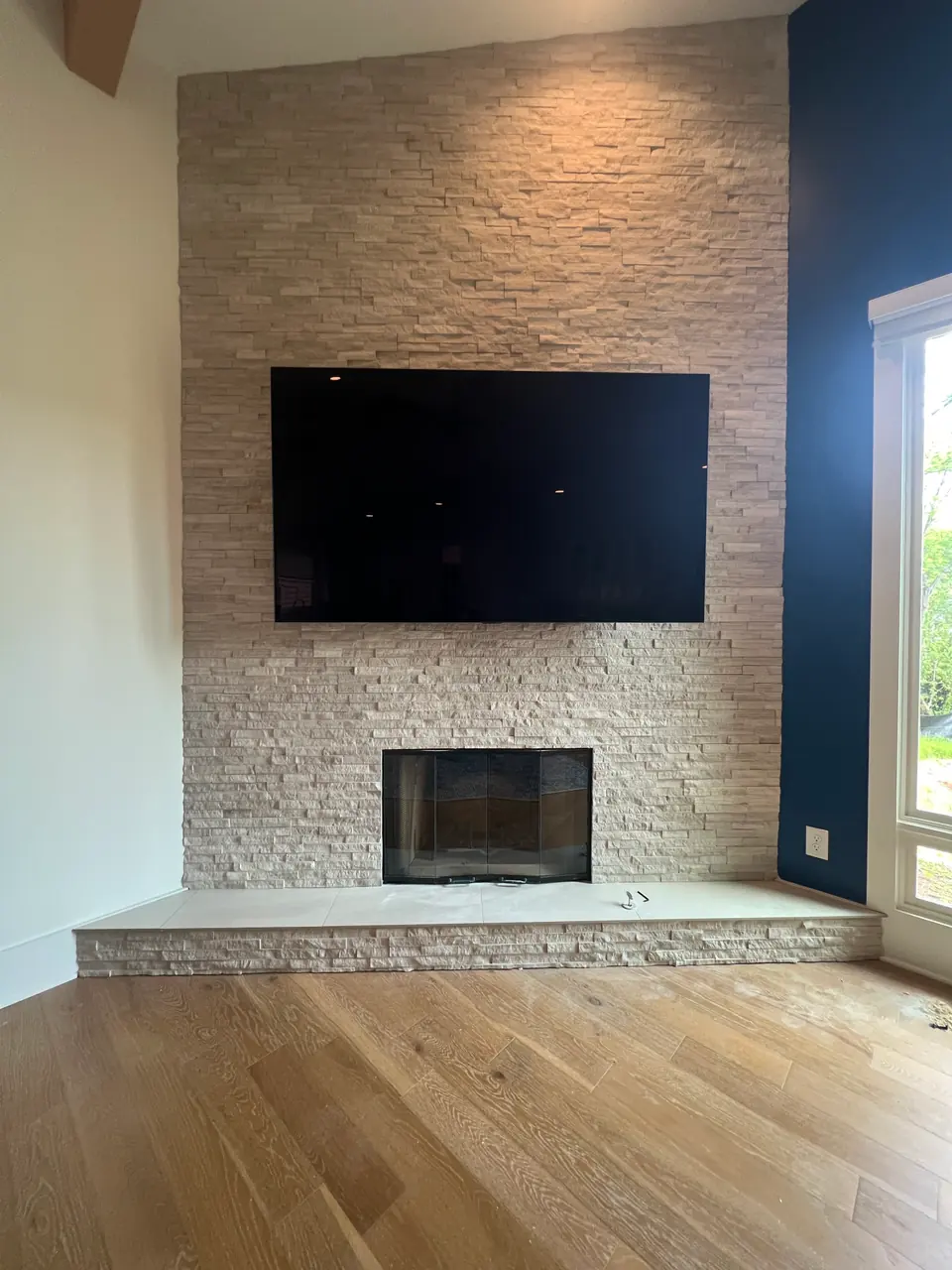
The framing behind that plaster is often old-growth fir. It's dense and hard, and once each stud has been found and a pilot hole drilled, it grips a lag bolt very well. Brick fireplaces turn up often in houses of this age: masonry anchors are $59, and a TV above the firebox adds $49 more. Solid brick has no hollow space for cords, so they come down its face in a paintable cover.
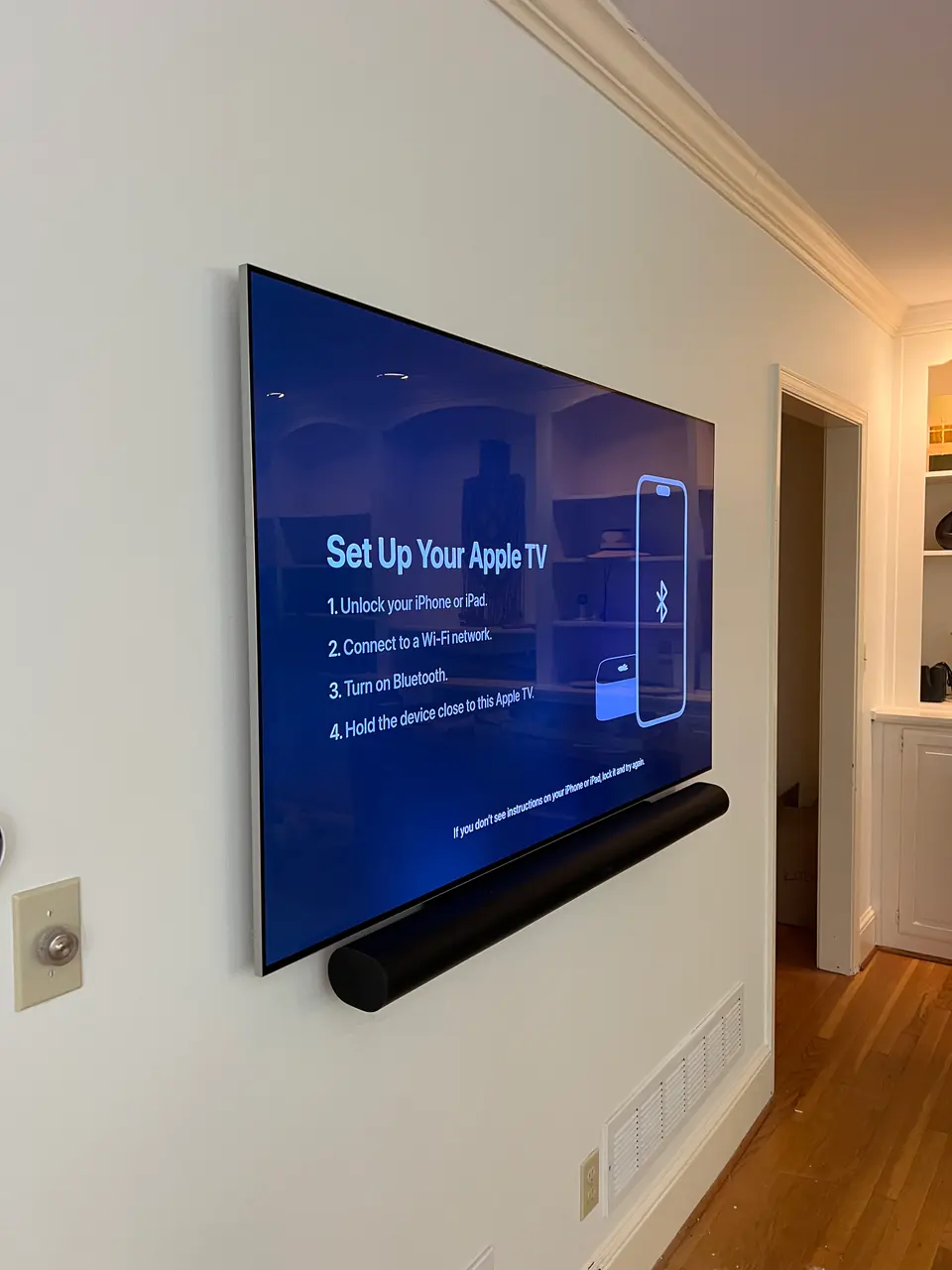
South Everett is newer. An annexation near Madison Street at the end of 1959 brought in suburban housing, and further annexations in 1961 and 1972 took in Lowell, founded in 1863 as a town of its own, along with much of today's south end. In 1967 Boeing began building its 747 plant at the city's western edge, next to Mukilteo. Westmont, in the southwest, is mostly apartments and other multifamily housing. Walls from those decades are mostly drywall over wood studs, with no wall charge and usually room inside for cables.
Naval Station Everett opened on Port Gardner Bay in 1994, and Navy households arrive and leave on orders every few years. Close by, Waterfront Place has added a hotel, apartments and restaurants beside the public marina, and new houses and townhomes now stand along the Snohomish River on what used to be a landfill. Their walls are new drywall, and the lease or the association decides whether one can be opened.