Two developers bought the land in 1949 and built for veterans coming home from the war. The first houses went up in the southwest corner, which original residents still call the Lower Terrace. They were simple two-bedroom homes on 20-by-30-foot concrete slabs, mass-produced and sold faster than they could be built. The name came from the view: from the highest part of the tract, you could see Lake Washington and Mount Rainier. Mountlake Terrace incorporated in 1954, and Interstate 5 opened through it in 1965.
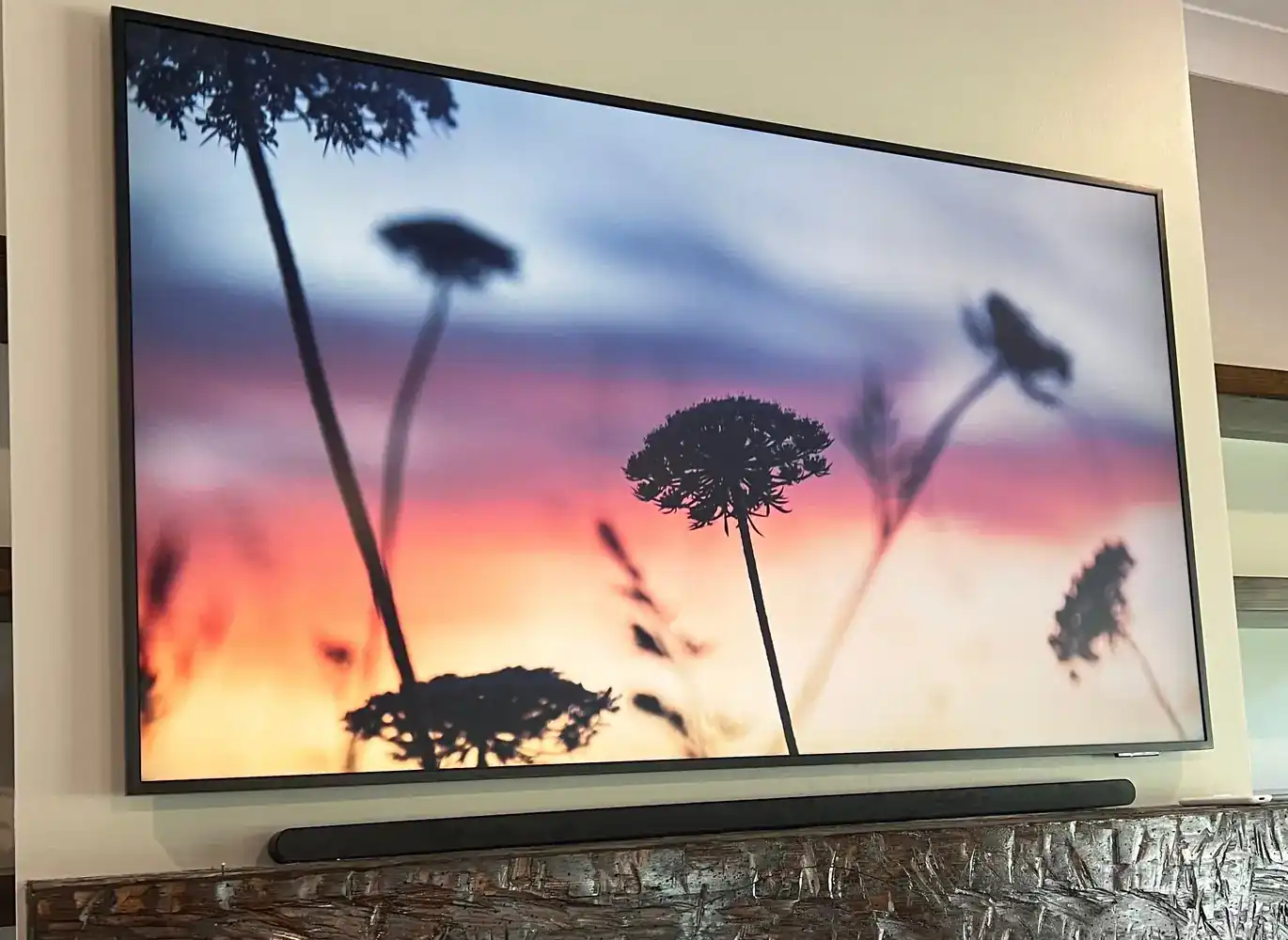
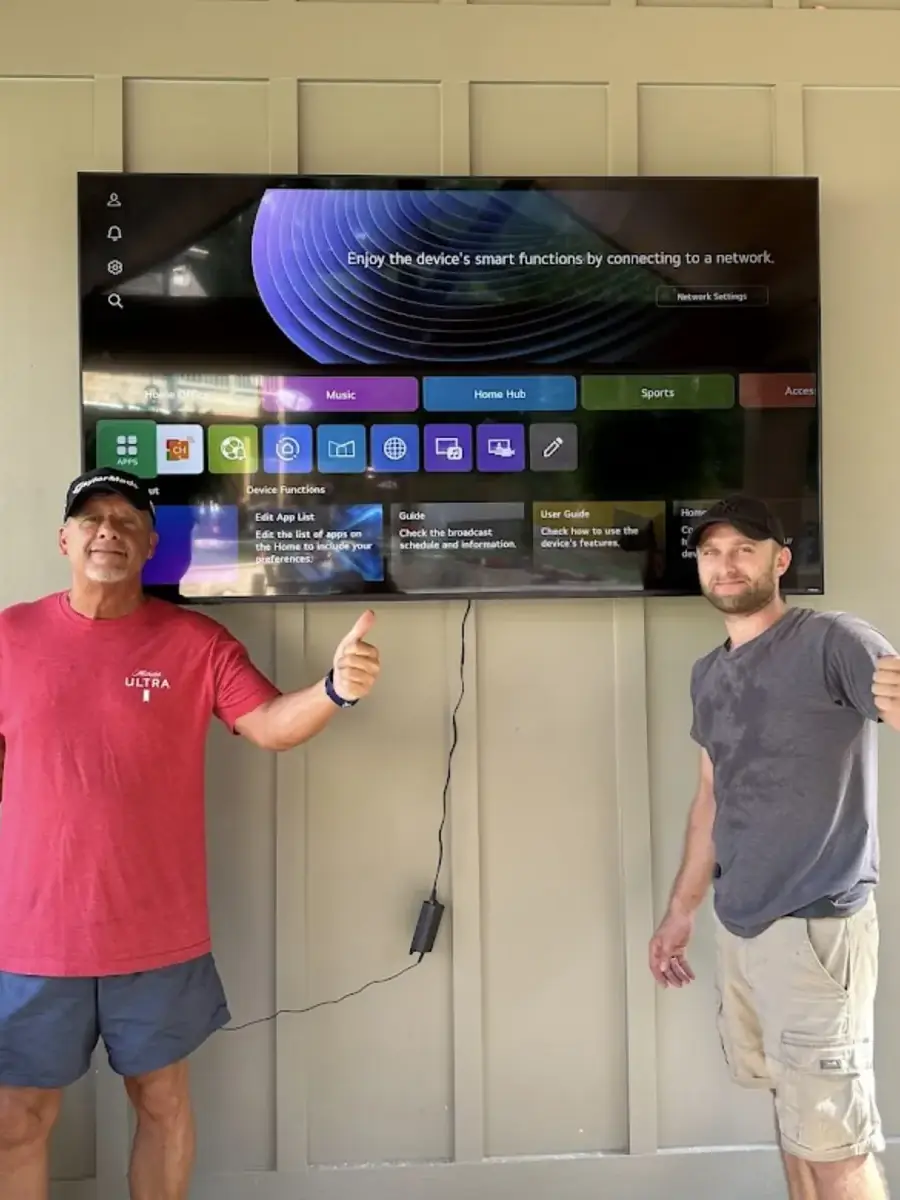
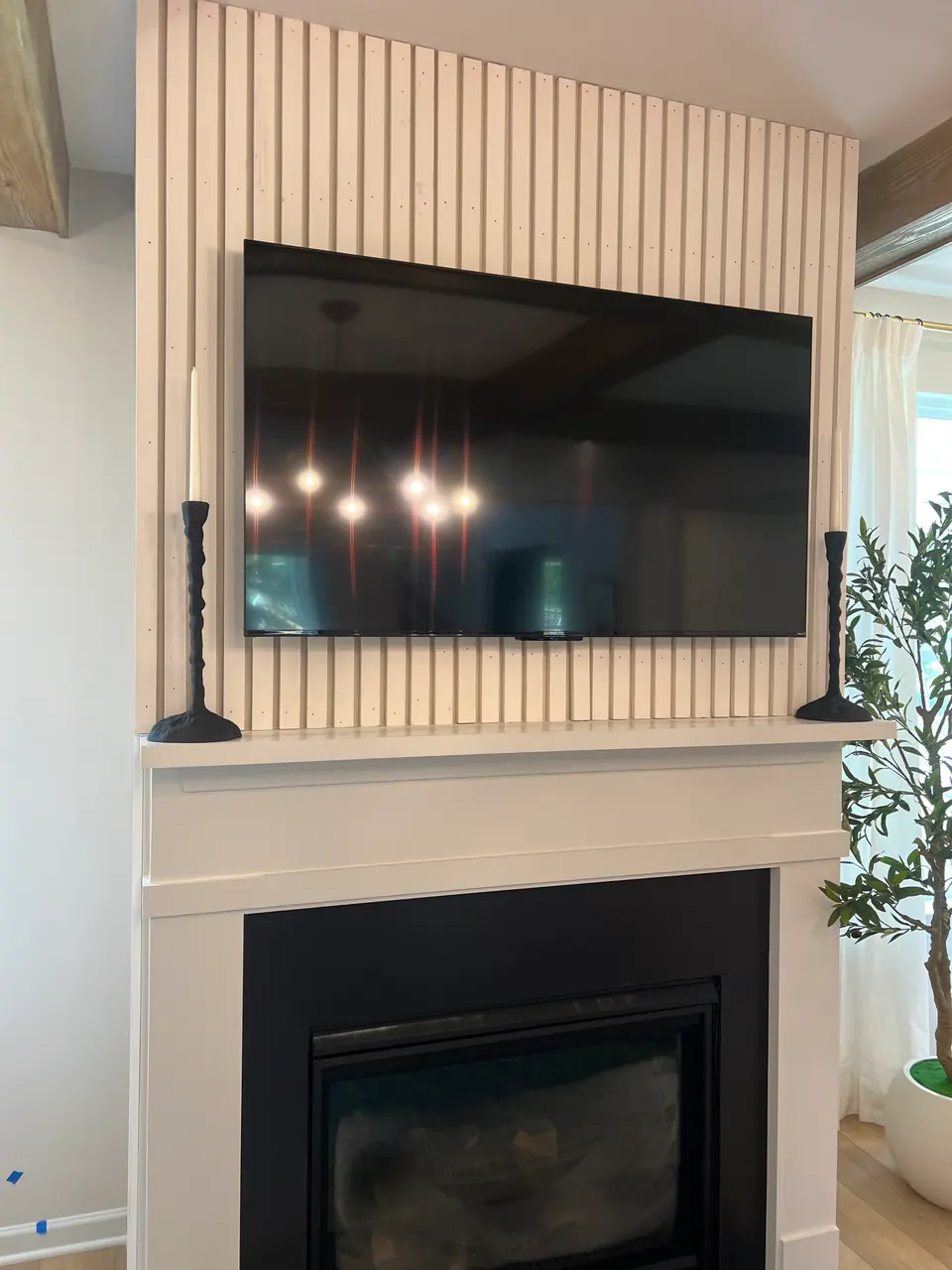
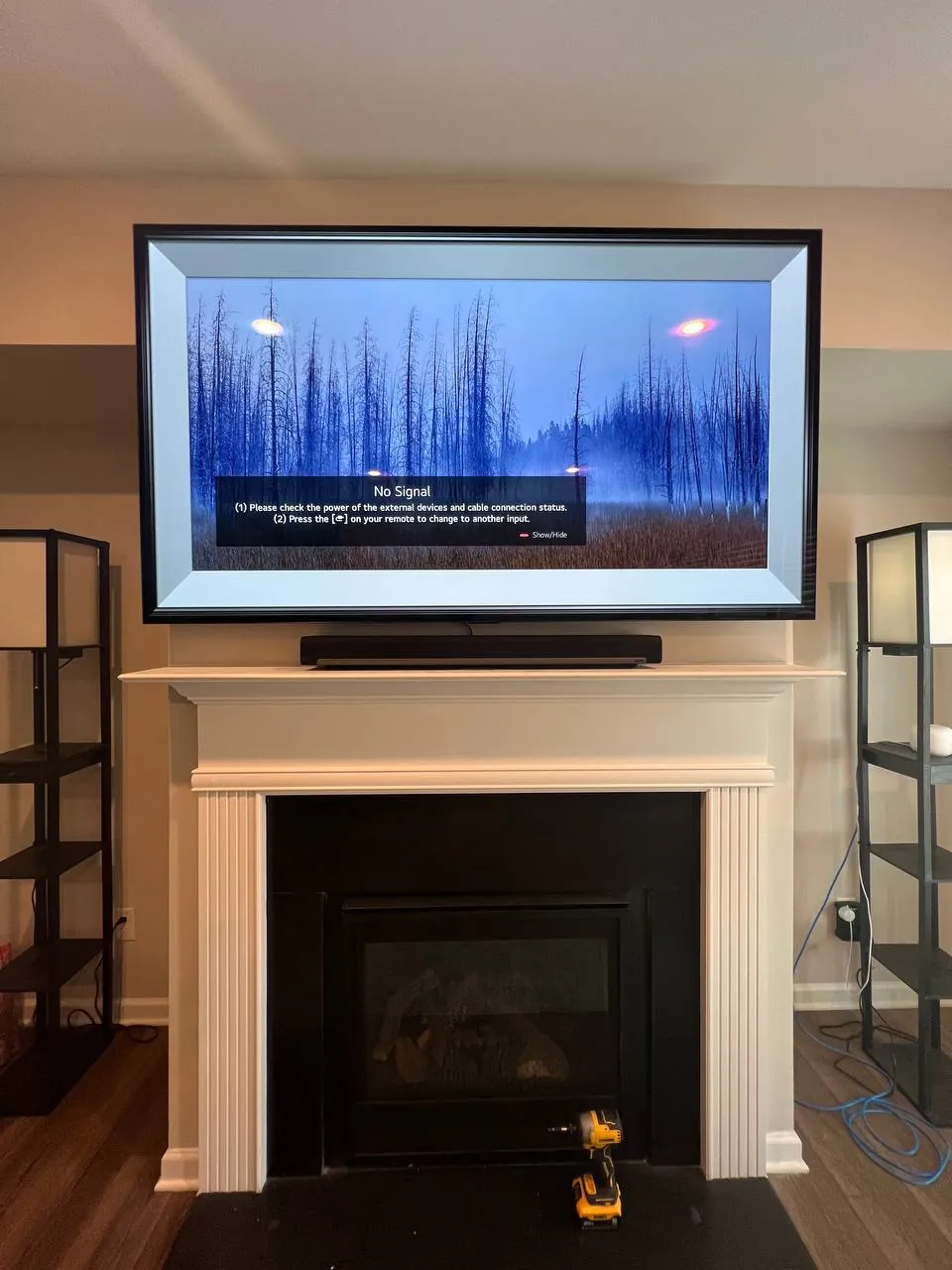
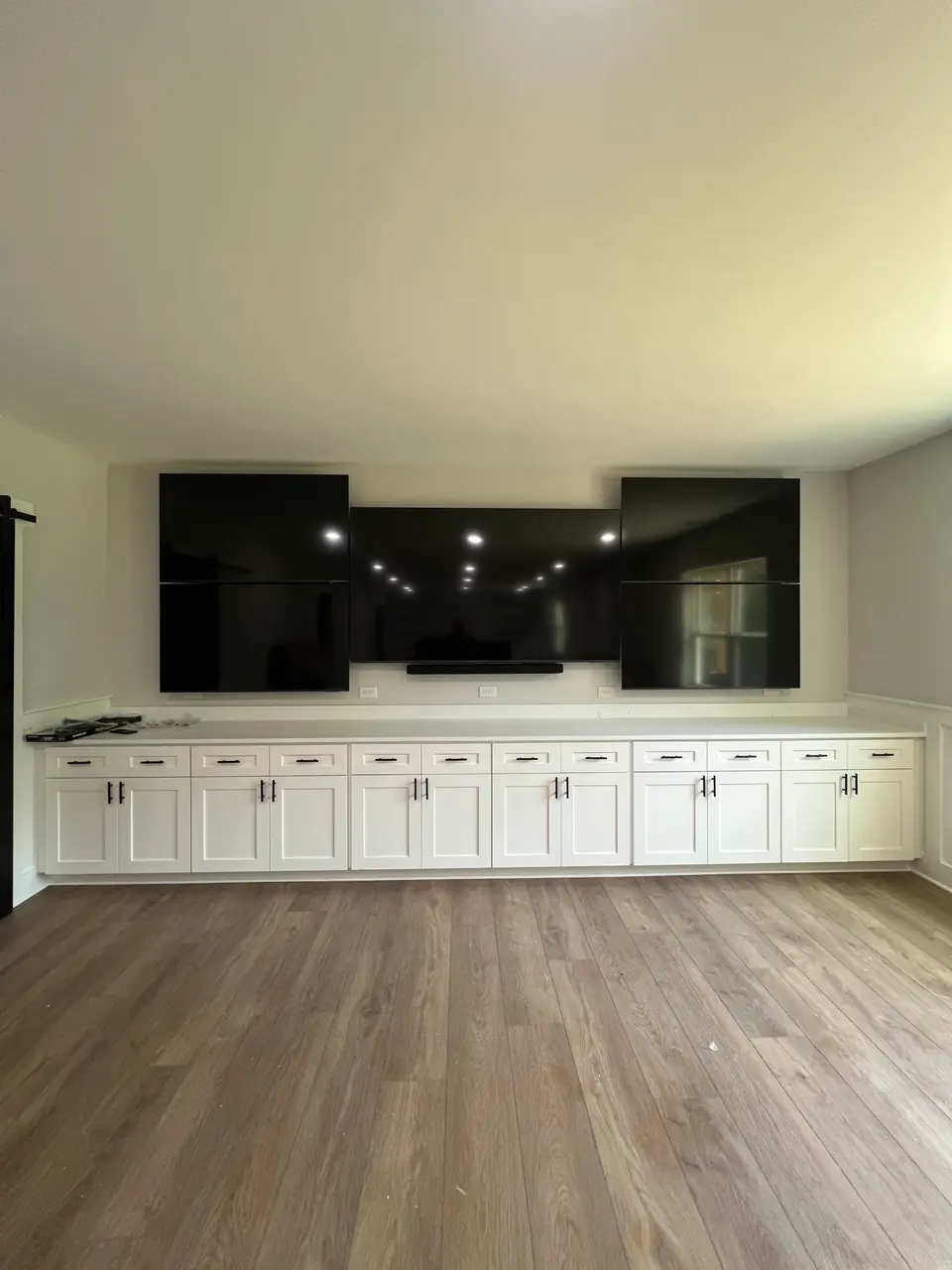
A slab changes one part of a TV install, and it's the cables. There's no crawl space or basement under the floor, so nothing can be routed beneath the room. Anything wired to the TV reaches it by way of the TV wall: inside it on the in-wall line, $99 with a power outlet put in behind the screen, or along its surface in a paintable cover for $49. The mount itself goes into the studs or onto anchors made for the wall. If the TV wall turns out to be concrete block rather than framing, masonry anchors add $59.
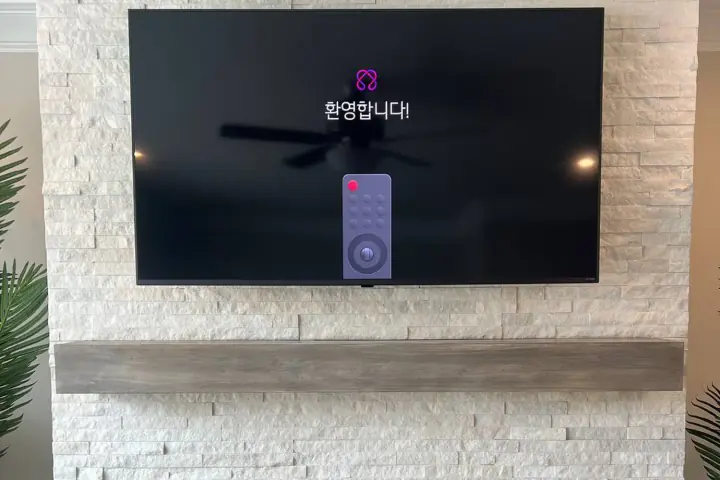
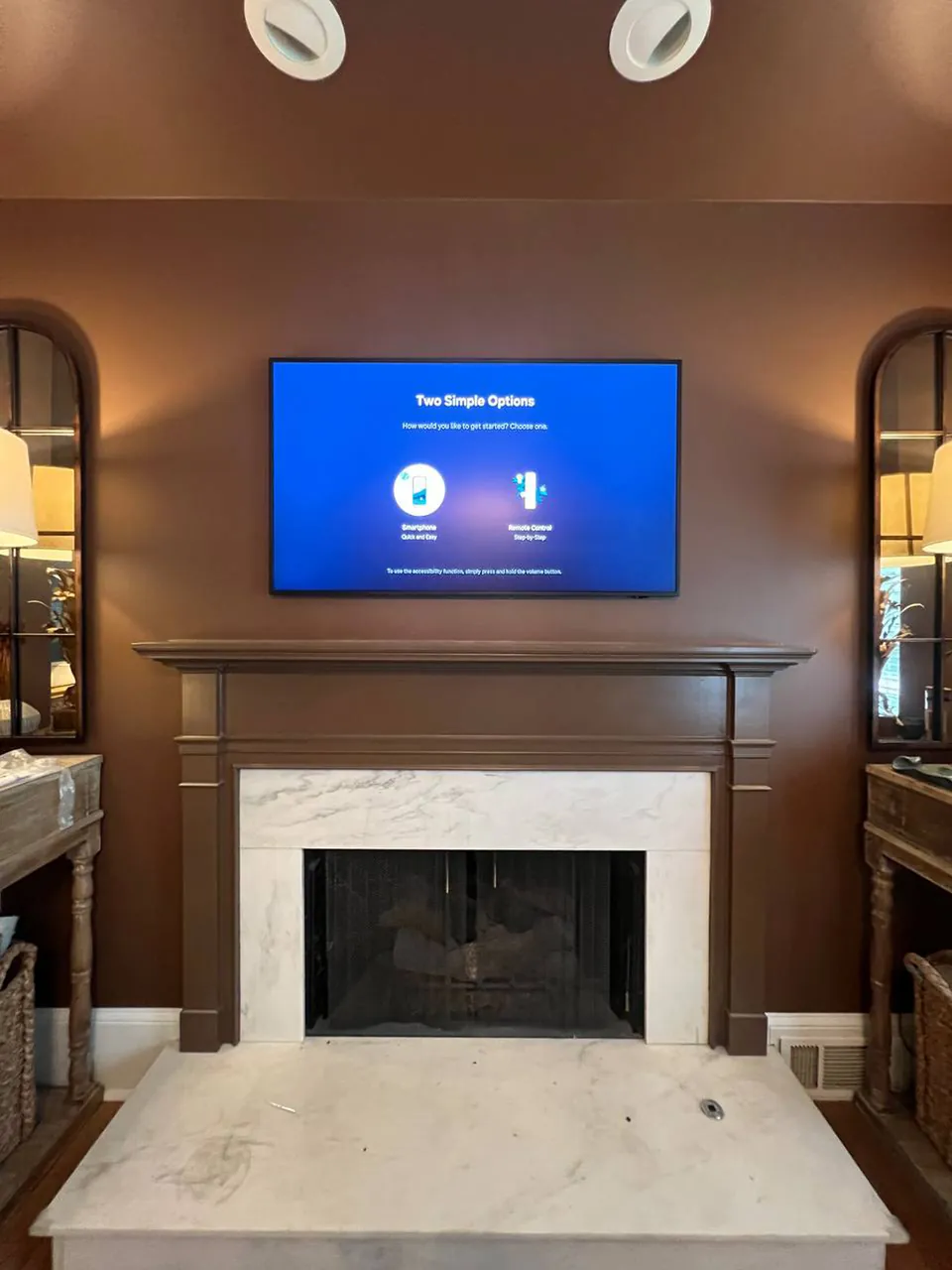
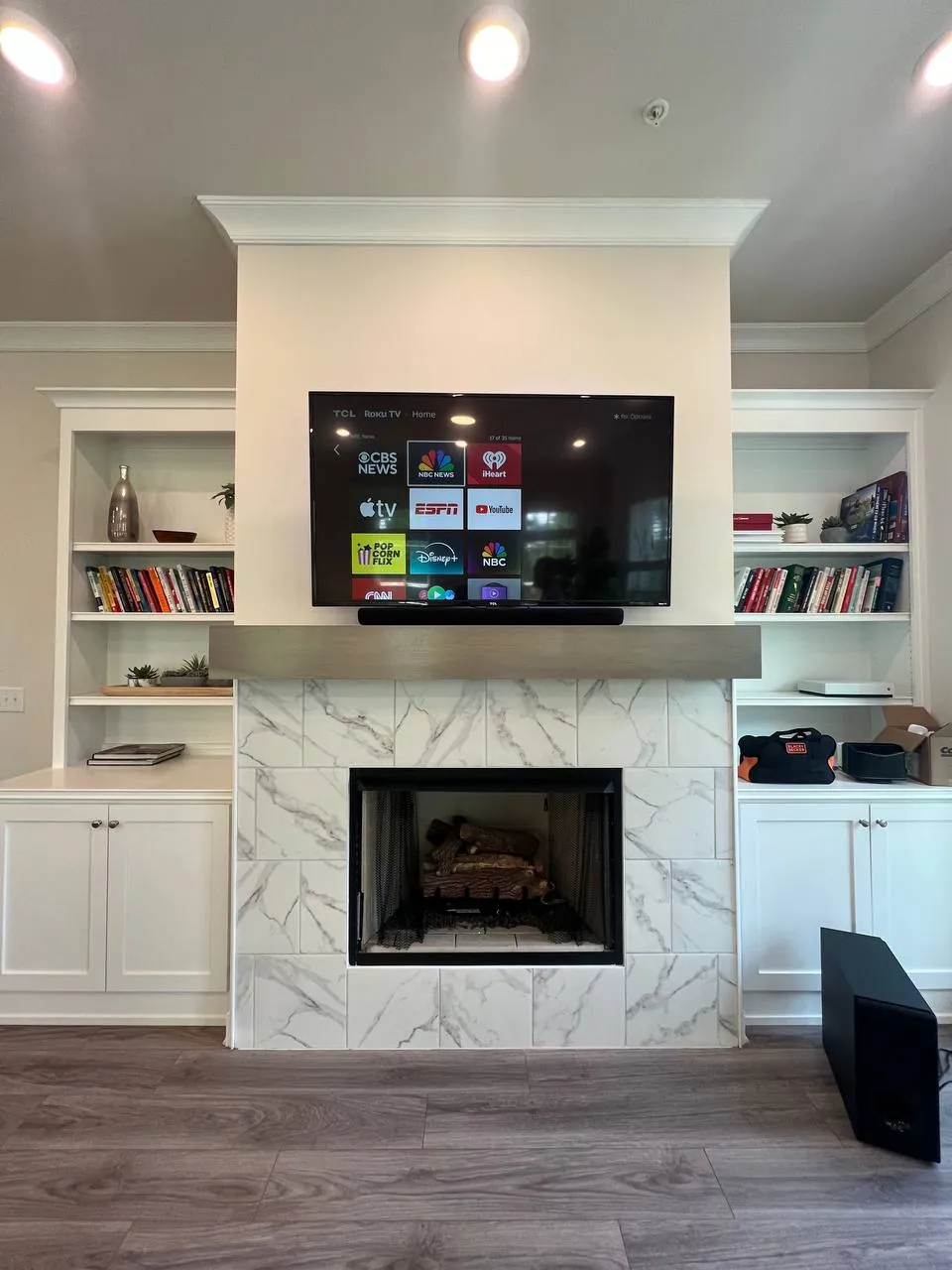
Building spread across the plateau through the 1950s and 1960s, and the later houses were larger, though still priced for young families. Many of the early ones have since been enlarged. Walls from those decades are mostly drywall or plaster over wood studs, and neither carries a wall charge. Where a living room has a brick fireplace, the TV takes masonry anchors at $59, and the spot above the firebox adds another $49.
Plenty of homes here are apartments, condos and townhouses. Several apartment complexes line Cedar Way, and Melody Hill, in the northwest corner, mixes apartment buildings with office parks. The Town Center has been adding apartment buildings with shops at street level since 2013. In 2019, with light rail on the way, the city raised the height limit there to 12 stories, and the station opened in August 2024, one stop south of Lynnwood City Center. Inside these buildings the walls are mostly drywall, so a TV costs what it would in a house, and a concrete wall in the way adds $59.