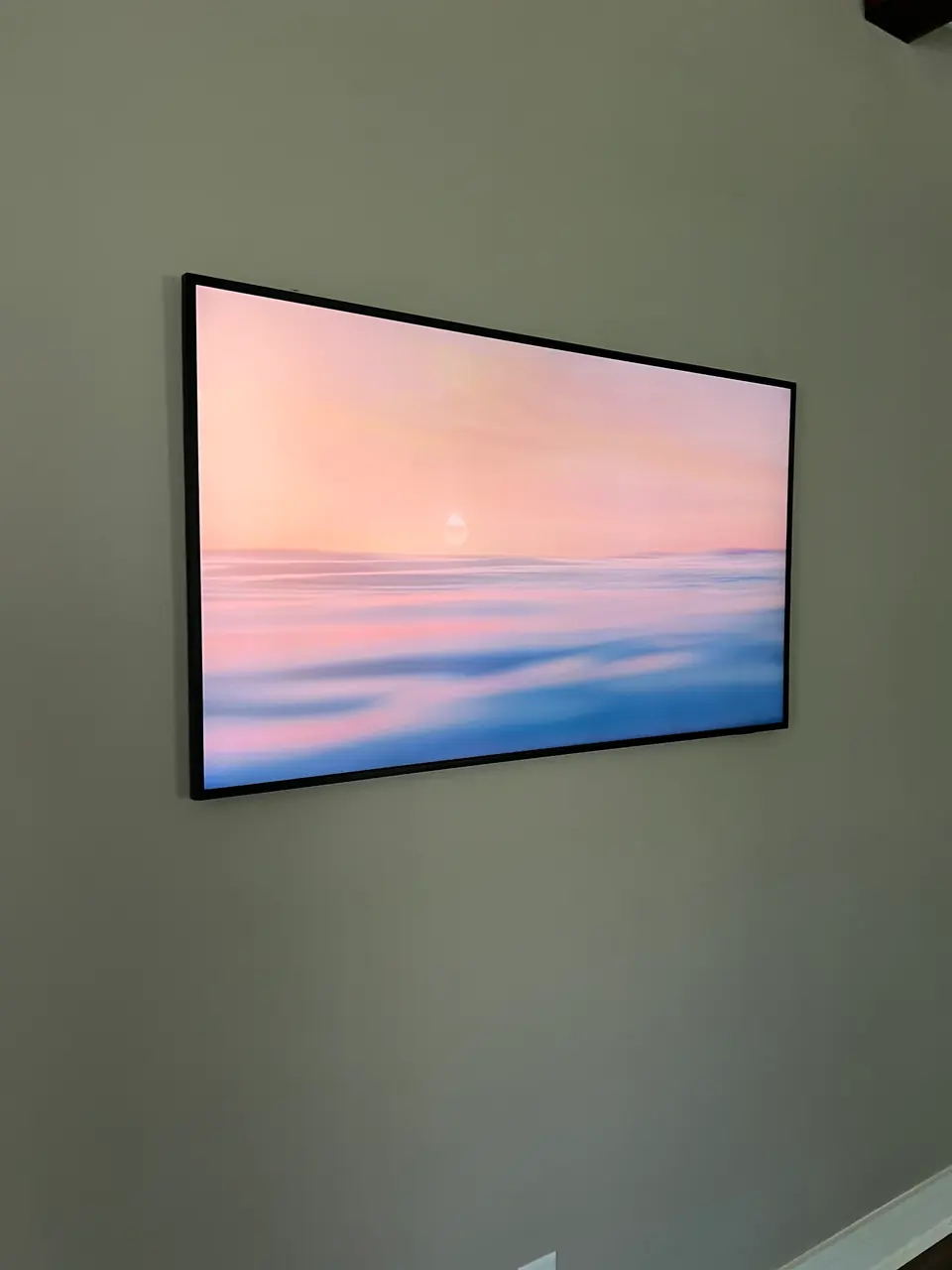
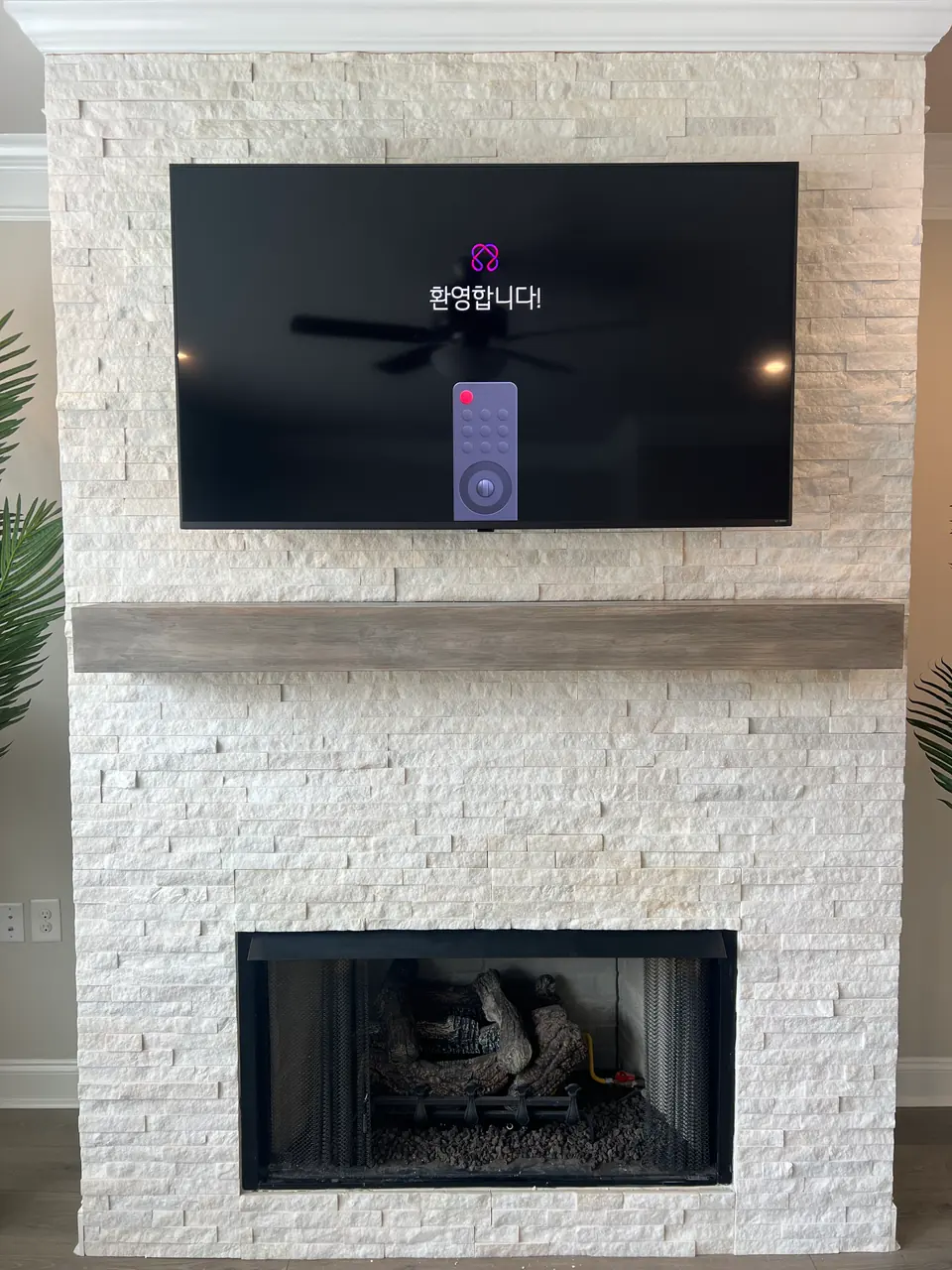
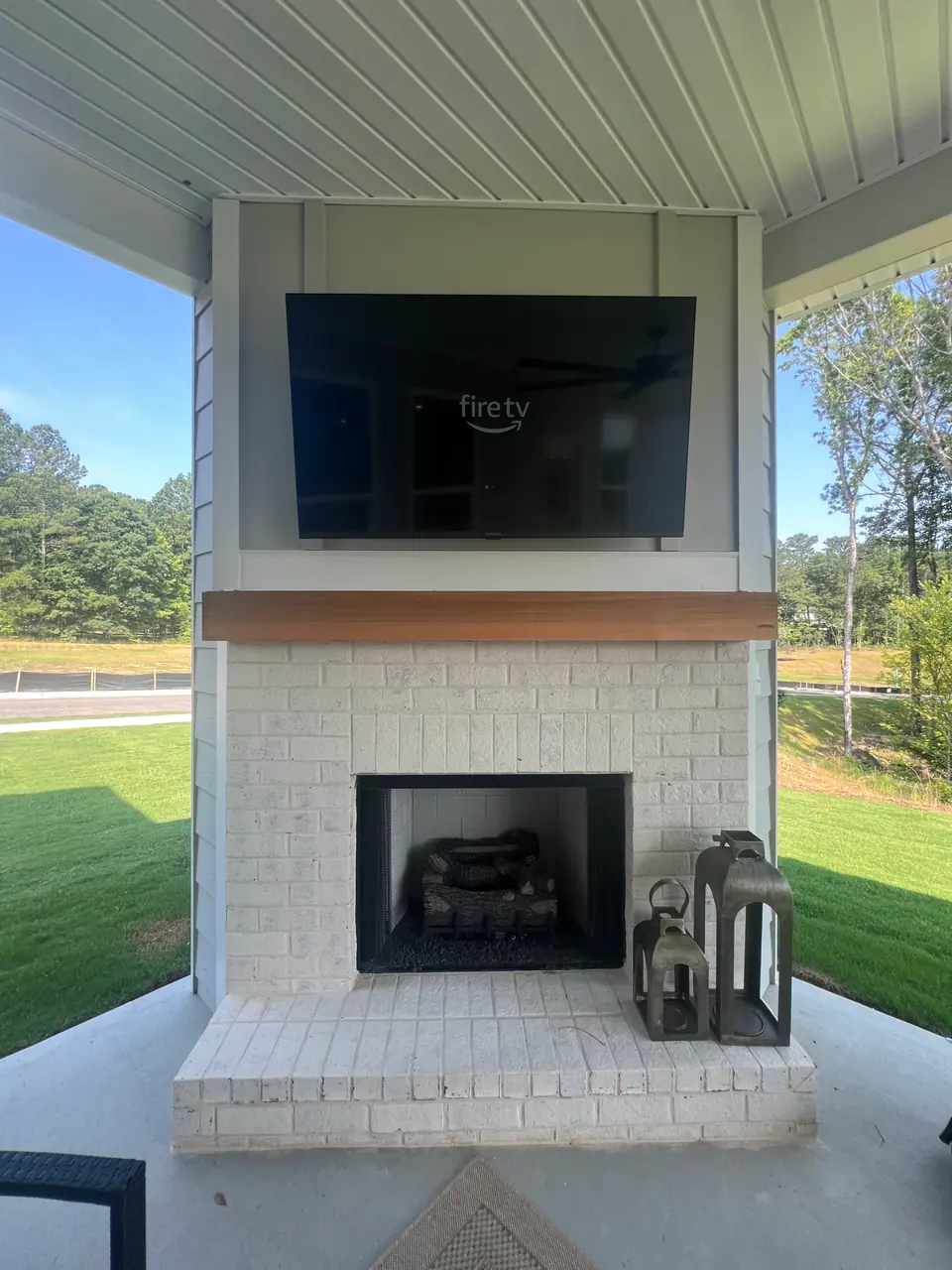
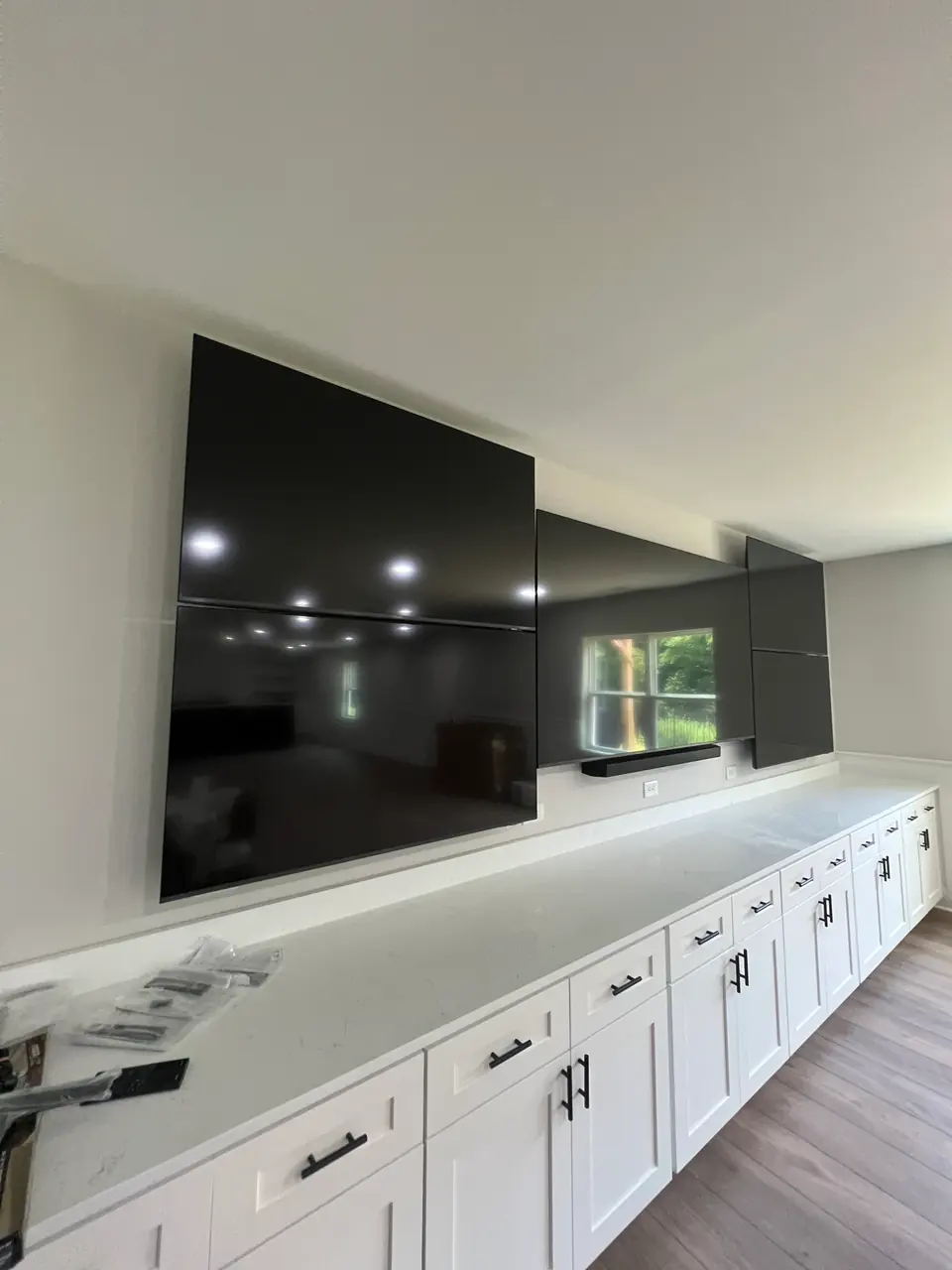
The stone in Joliet's old nickname is dolomite limestone, quarried along the Des Plaines River valley in the 1800s. It went into the walls of the old Joliet prison, built in 1858, and into churches and houses. Limestone buildings from that century still stand in many parts of the city. A house with limestone or solid brick outside walls is masonry right behind the plaster. On one of those walls, a TV goes up on masonry anchors set with a hammer drill, the $59 hard-wall line, and since the wall has no cavity, the cables come down in a paintable cover for $49 or drop straight to an outlet below.
The Upper Bluff Historic District shows how mixed the older blocks are. Its houses date from the 1850s to about 1930, and most are wood frame with clapboard siding, standing on limestone foundations. Brick and stucco houses sit among them, along with a few early houses built of limestone through and through. A frame house of that age usually has plaster on wood lath inside, priced like drywall, so the outside material matters more than the age: one street can hold a wall with no charge and a wall at $59.
Brick needs a second look, because not all of it is solid. Some older Joliet houses have brick veneer, a single layer of brick over wood framing, and their inside walls are framed like any other: no wall charge, and room for cables where the bay is open. Only a wall that is masonry all the way through gets the $59 line, and the section below shows how to tell the two apart.
On the inside, the west side has more in common with newer suburbs across the Chicago area than with downtown Joliet. Subdivisions built in the 1990s and 2000s, out to the far western edge along Caton Farm Road, are wood studs and drywall with open bays between the studs. Running a TV's cables inside the wall there, to a power outlet behind the screen, is the $99 line, and the wall itself adds nothing to the price.