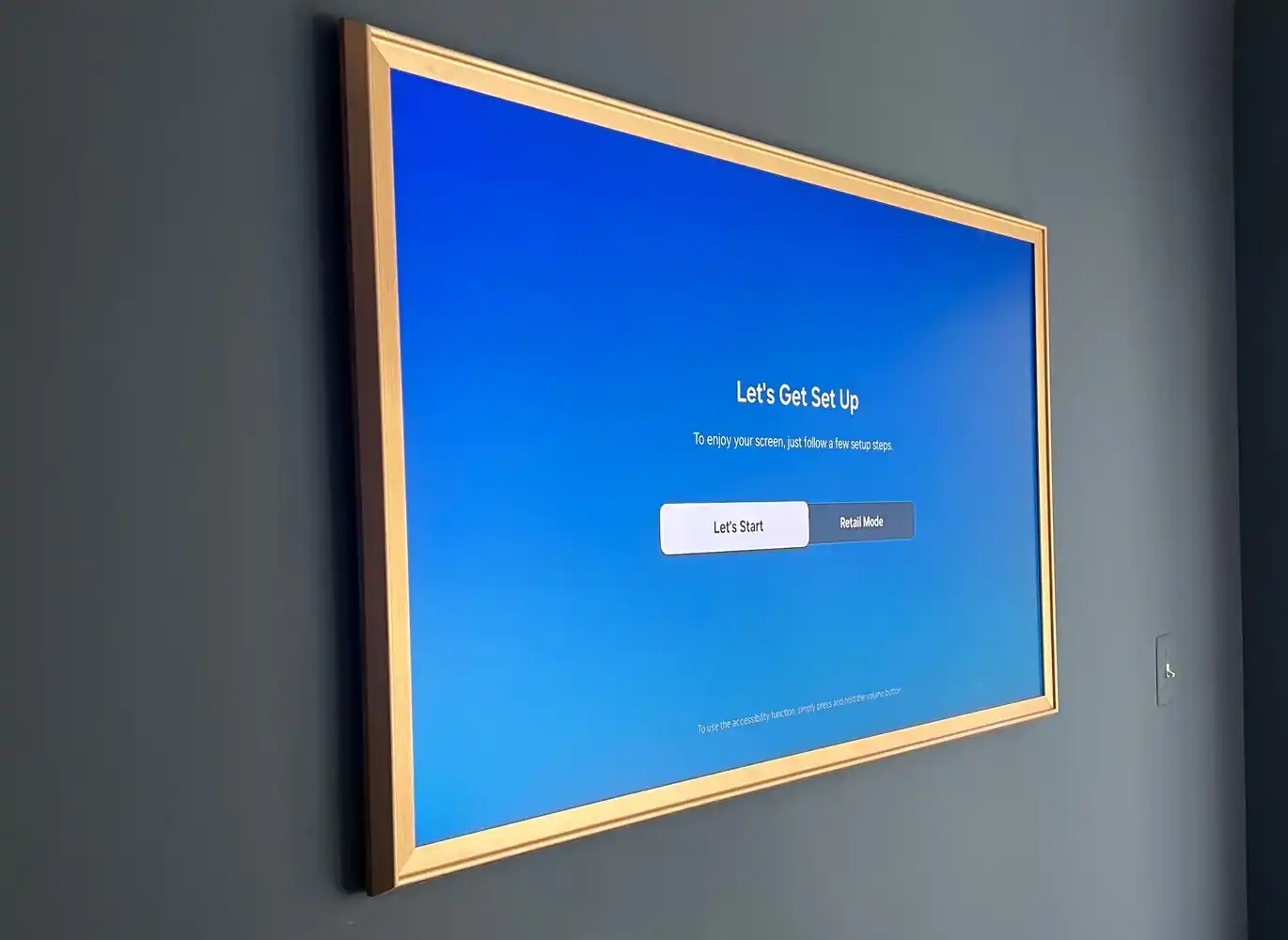
Coal drew the first settlers in the 1870s, and Renton became a city in 1901. Its biggest change came in the early 1940s, when an airplane plant at the south end of Lake Washington turned out B-29 bombers and the town needed far more housing than it had. The first homes in the Renton Highlands opened in October 1942. A family renting one had to show a defense job, and the new neighborhood, with duplexes among its homes, was advertised as a walk from the factories. The plant builds jetliners now, and the Highlands has long since filled in with houses and apartments.
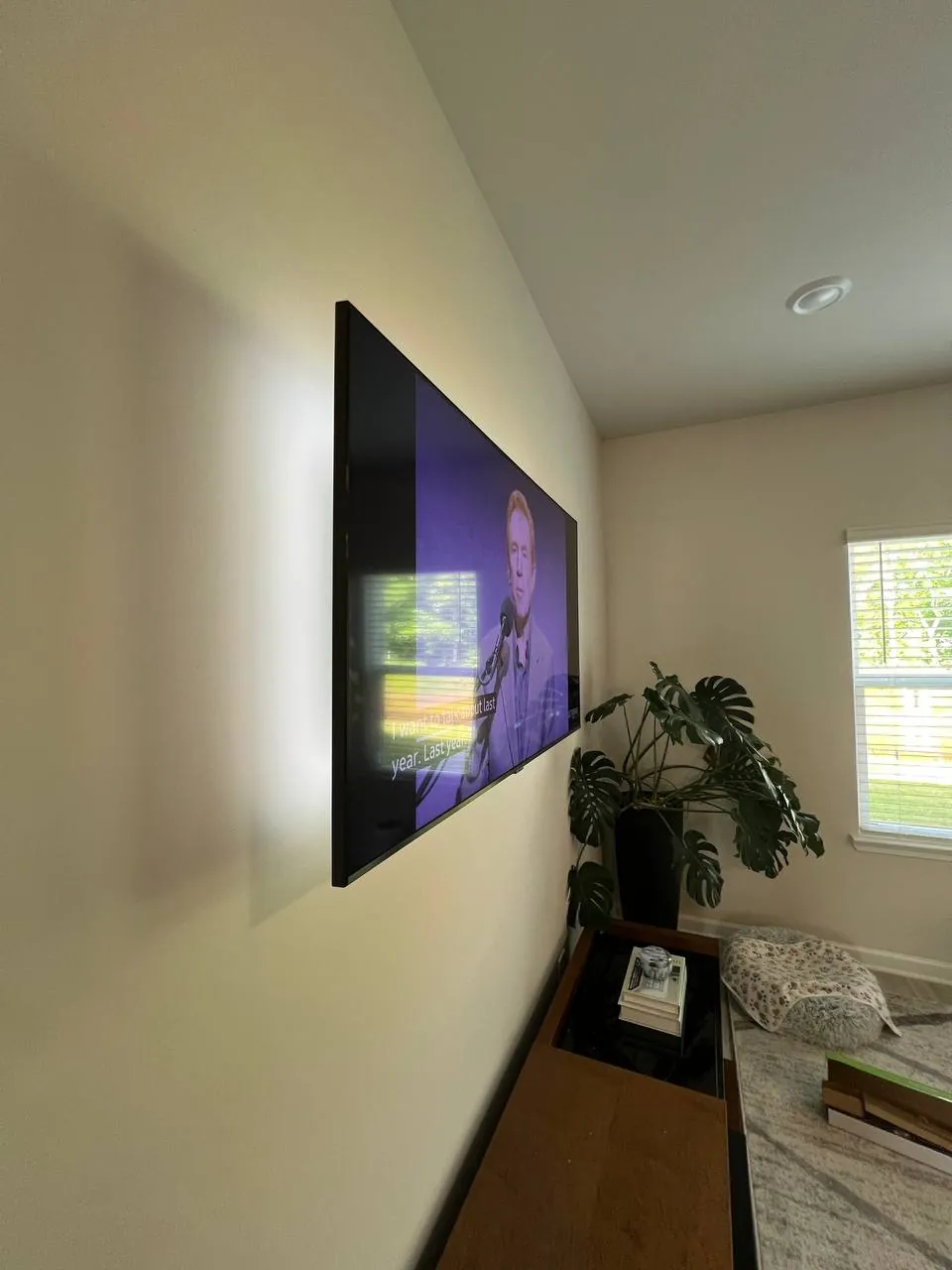
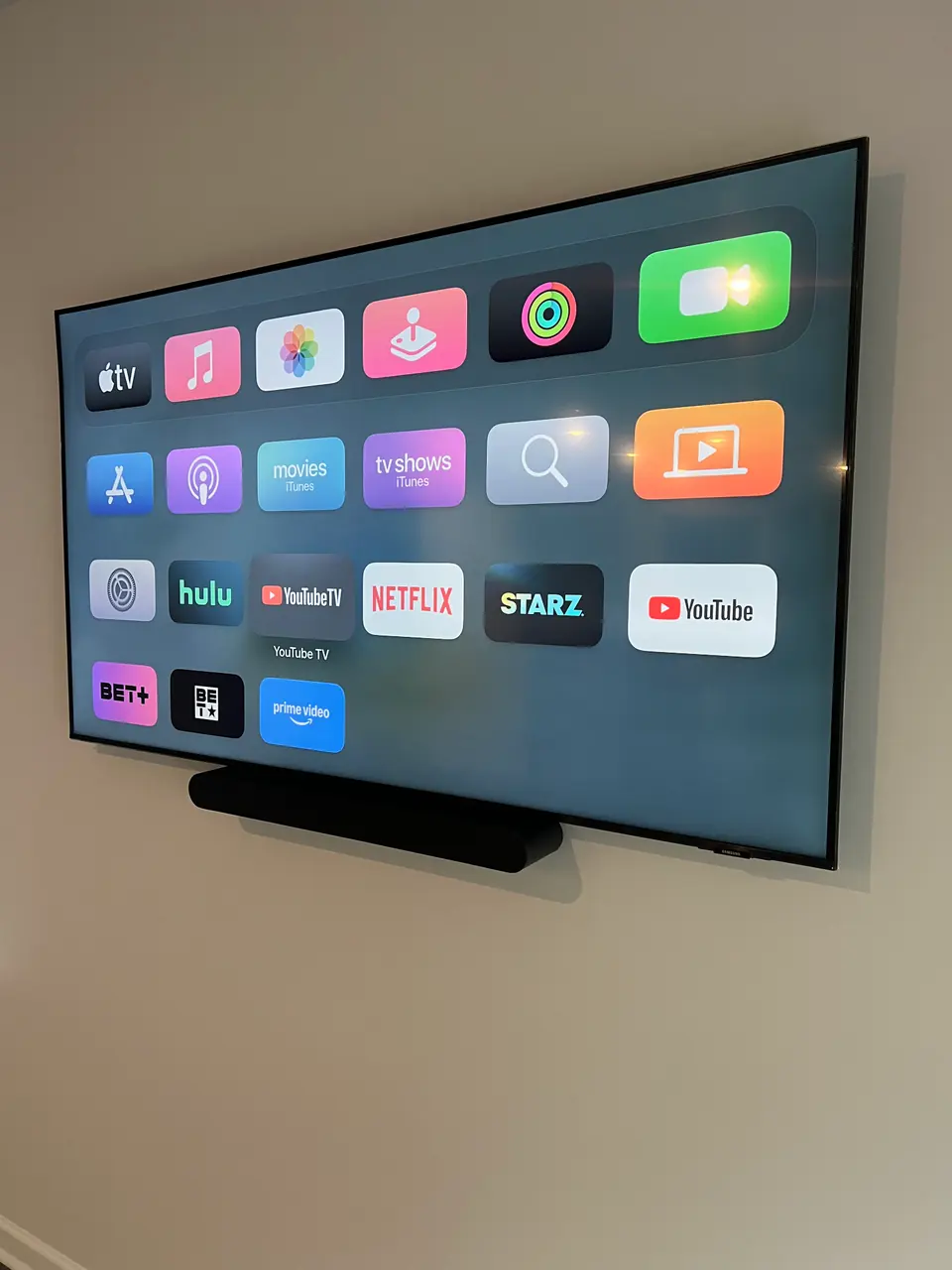
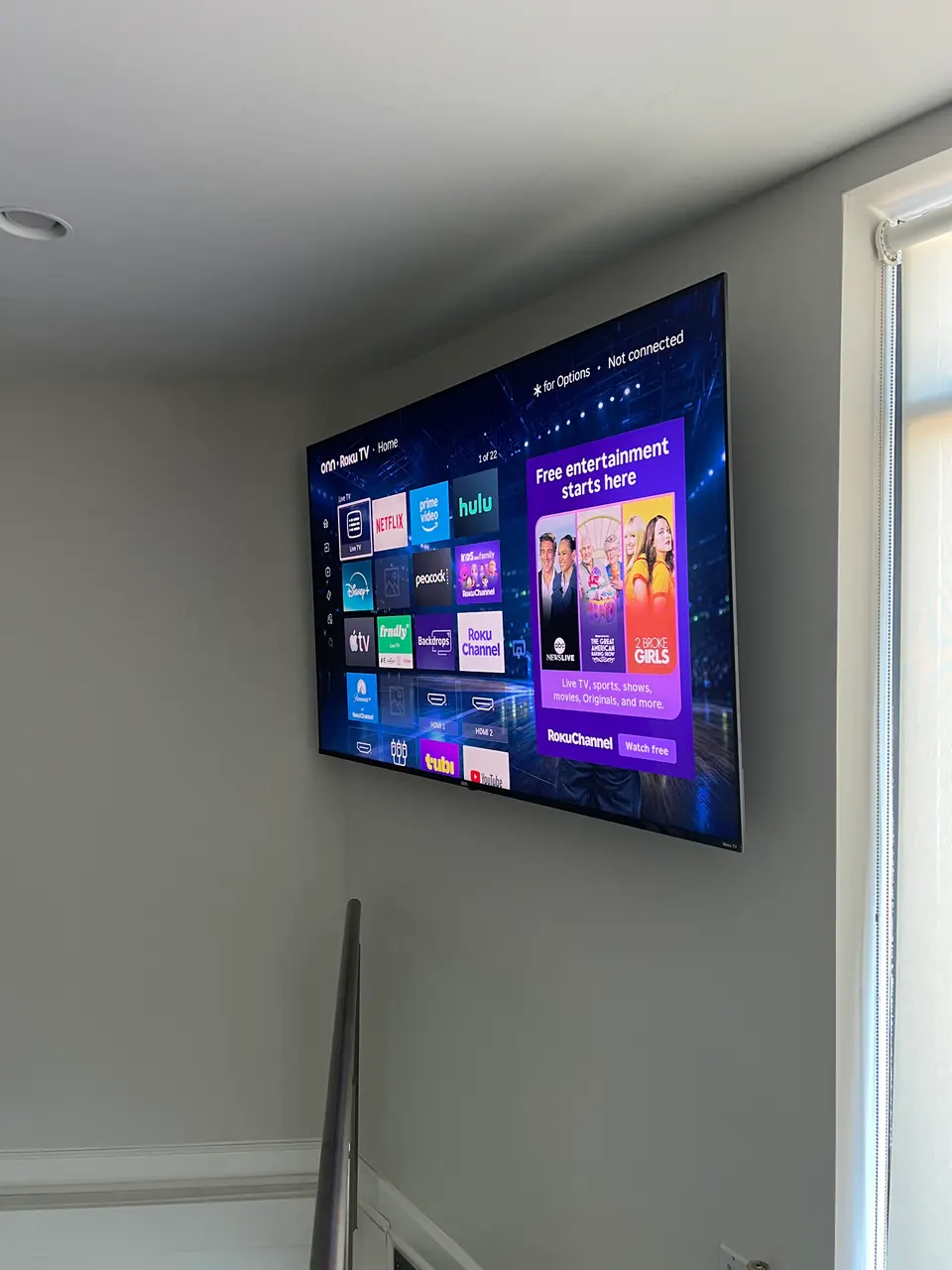
Inside, the room matters more than the address. A house in the Highlands may have been remodeled more than once, so one home can hold plaster in an original room and drywall hung last year, and a mount goes into either at no extra charge. Whatever the wall, the technician finds the studs or uses anchors made for it, levels the TV, load-tests the mount and tidies the cables before cleaning up. The cable plan is what varies: drywall over open stud bays takes the in-wall line, $99 with an outlet added behind the screen, while plaster gets a look in a photo first.
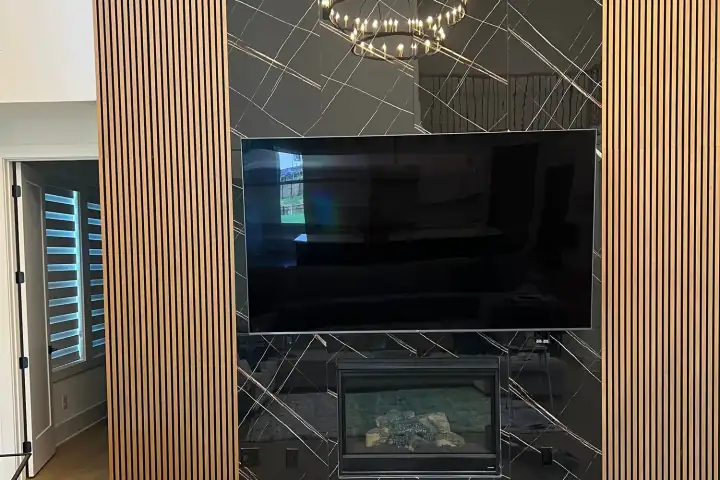
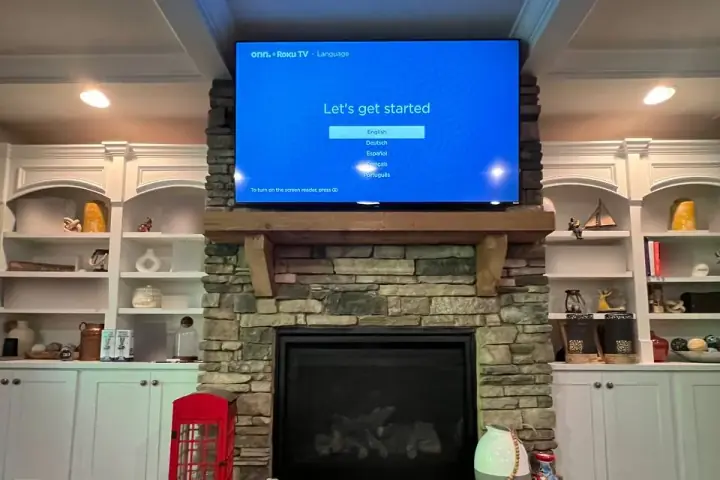
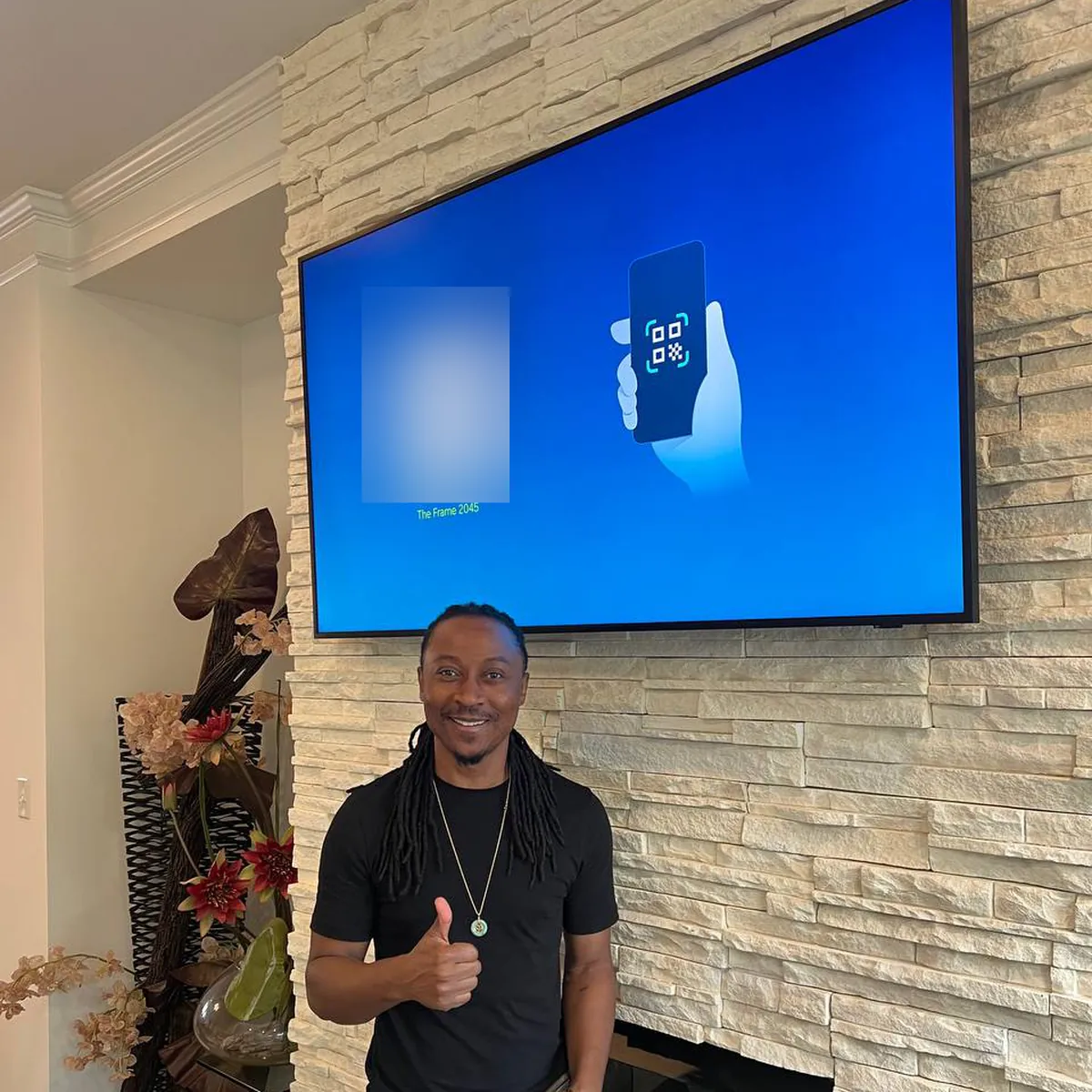
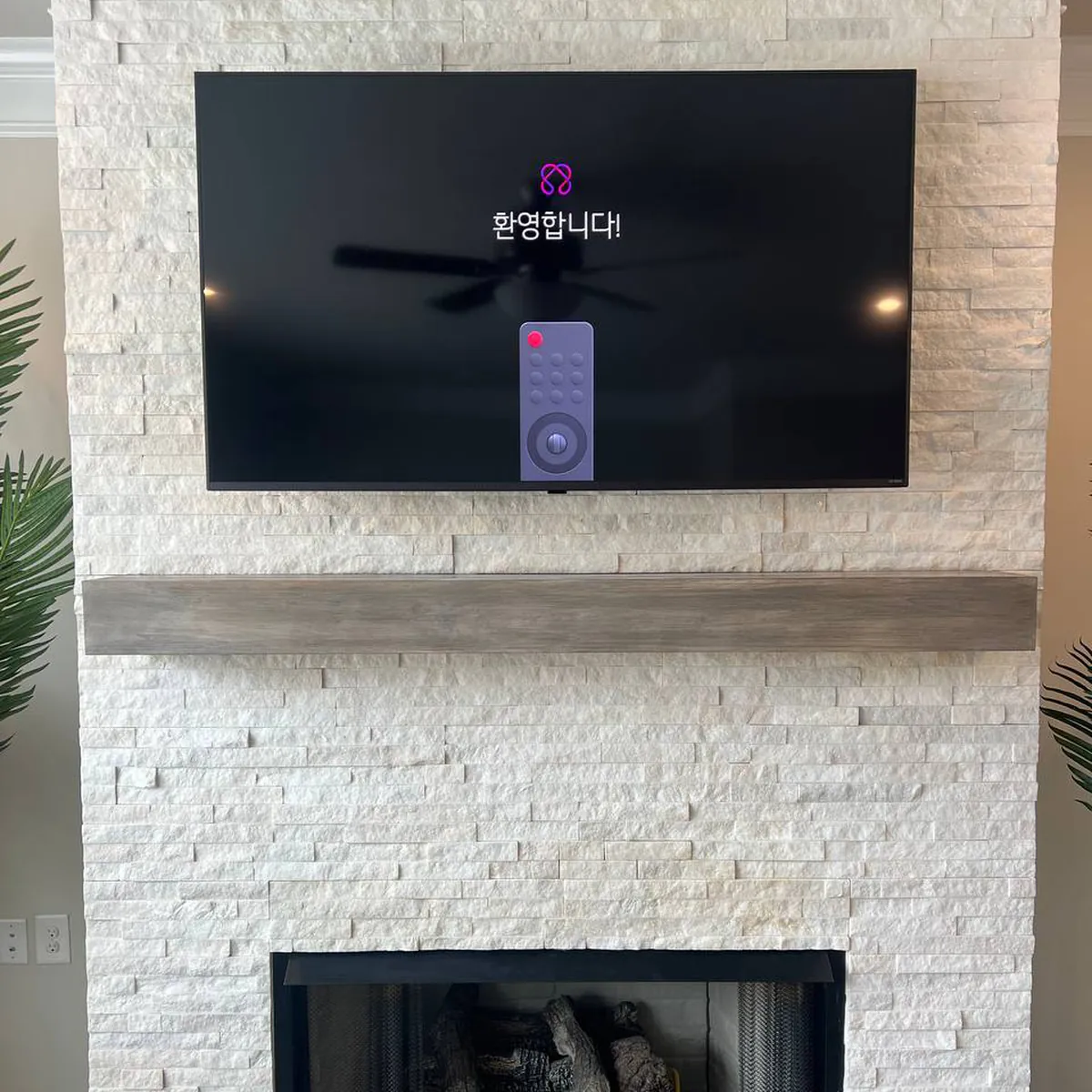
Kennydale climbs the slope above the lake north of downtown, and Talbot Hill and Benson Hill rise to the south, with houses from the post-war decades through recent subdivisions. The older ones often have a brick fireplace in the living room, and the newer ones a gas fireplace set into a framed wall with drywall over the mantel, which carries no brick charge.
On the flat ground near the lake's south shore, The Landing was built on former plant property as a mix of homes and shops, and newer apartment buildings stand around the downtown transit center. Walls inside them are mostly drywall, so a TV costs what it would in a house, and a concrete wall or column where the screen has to go adds $59. Like a lot of newer drywall around Puget Sound, it usually carries a light texture, which matters more for a cord cover than for the mount.