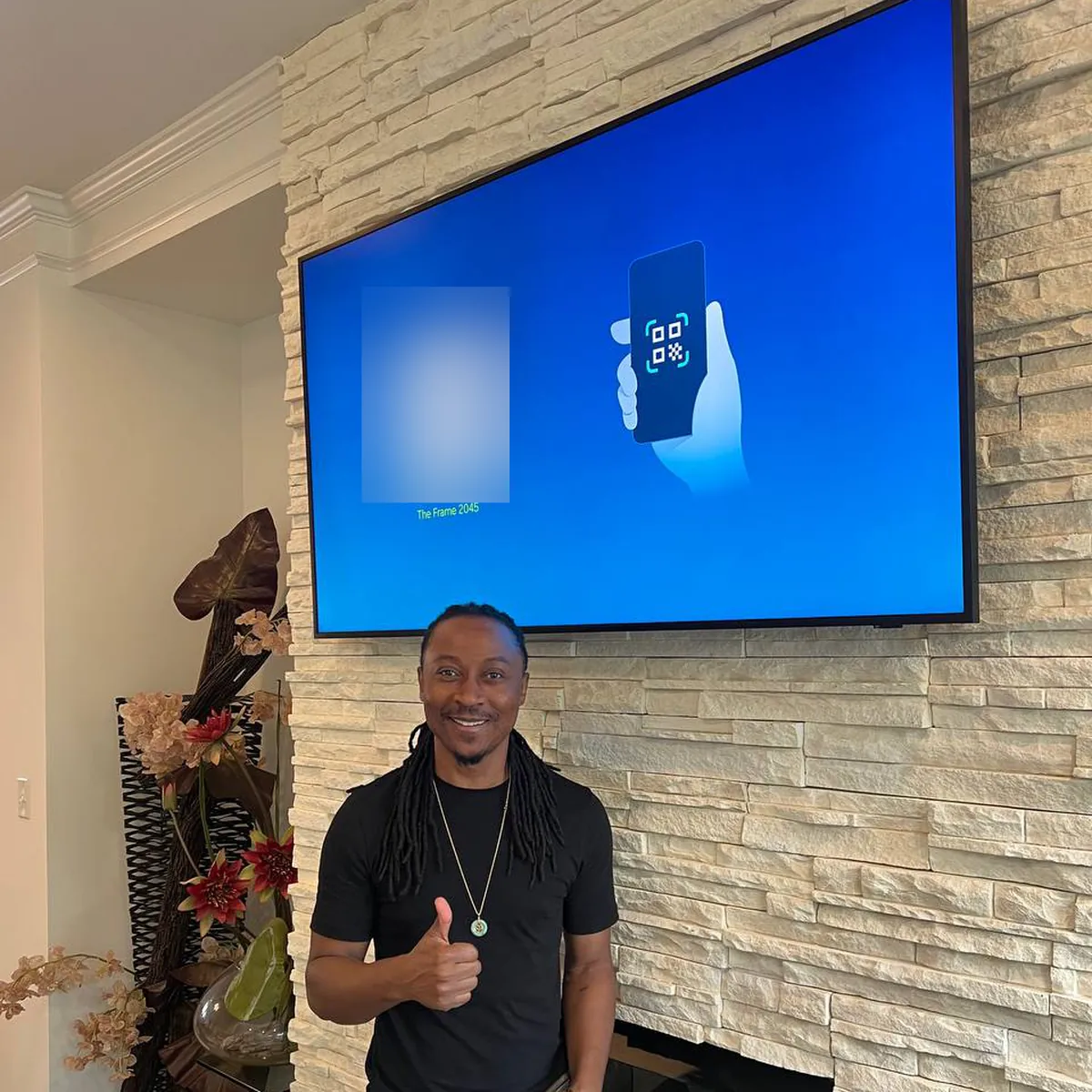
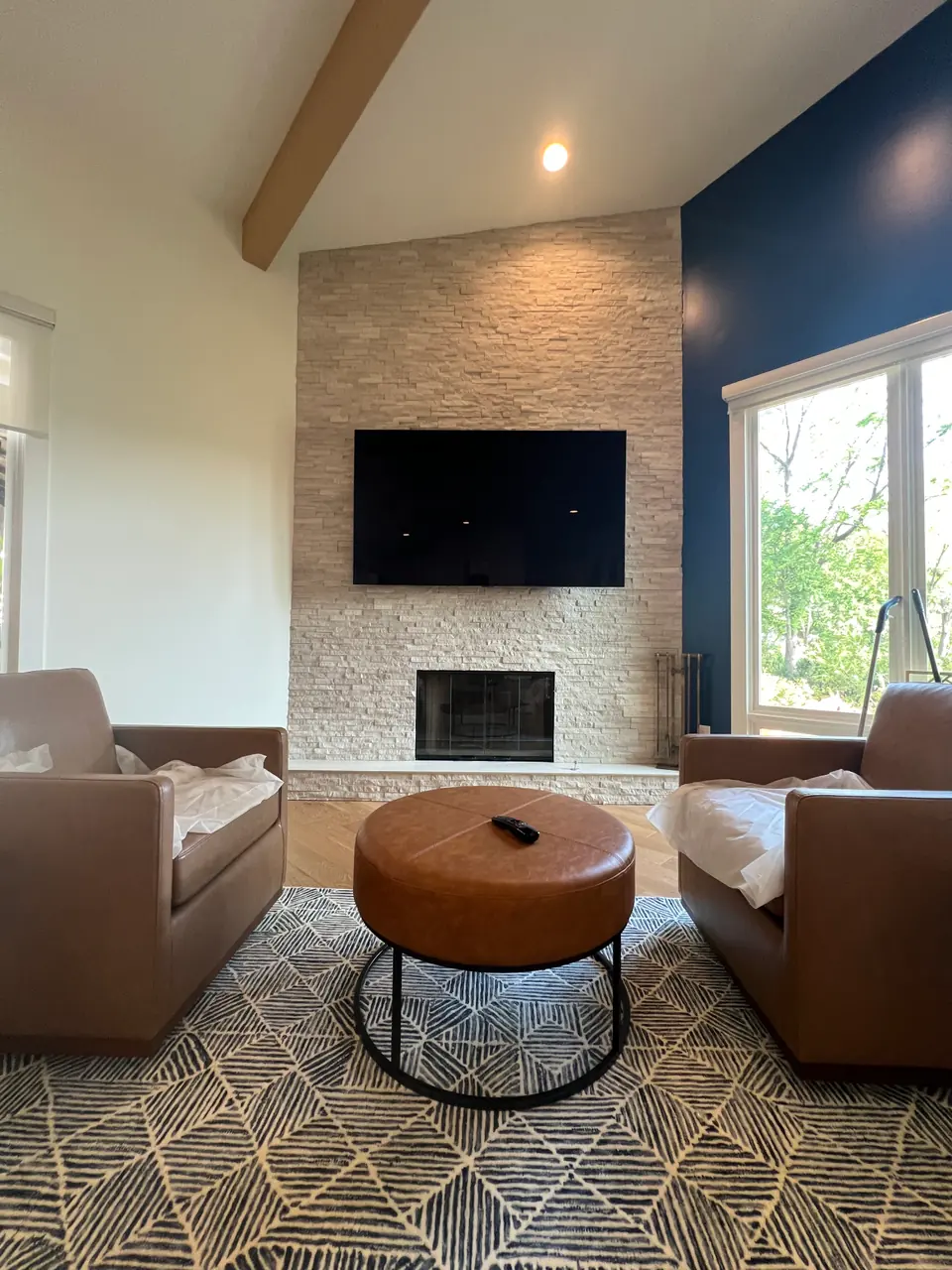
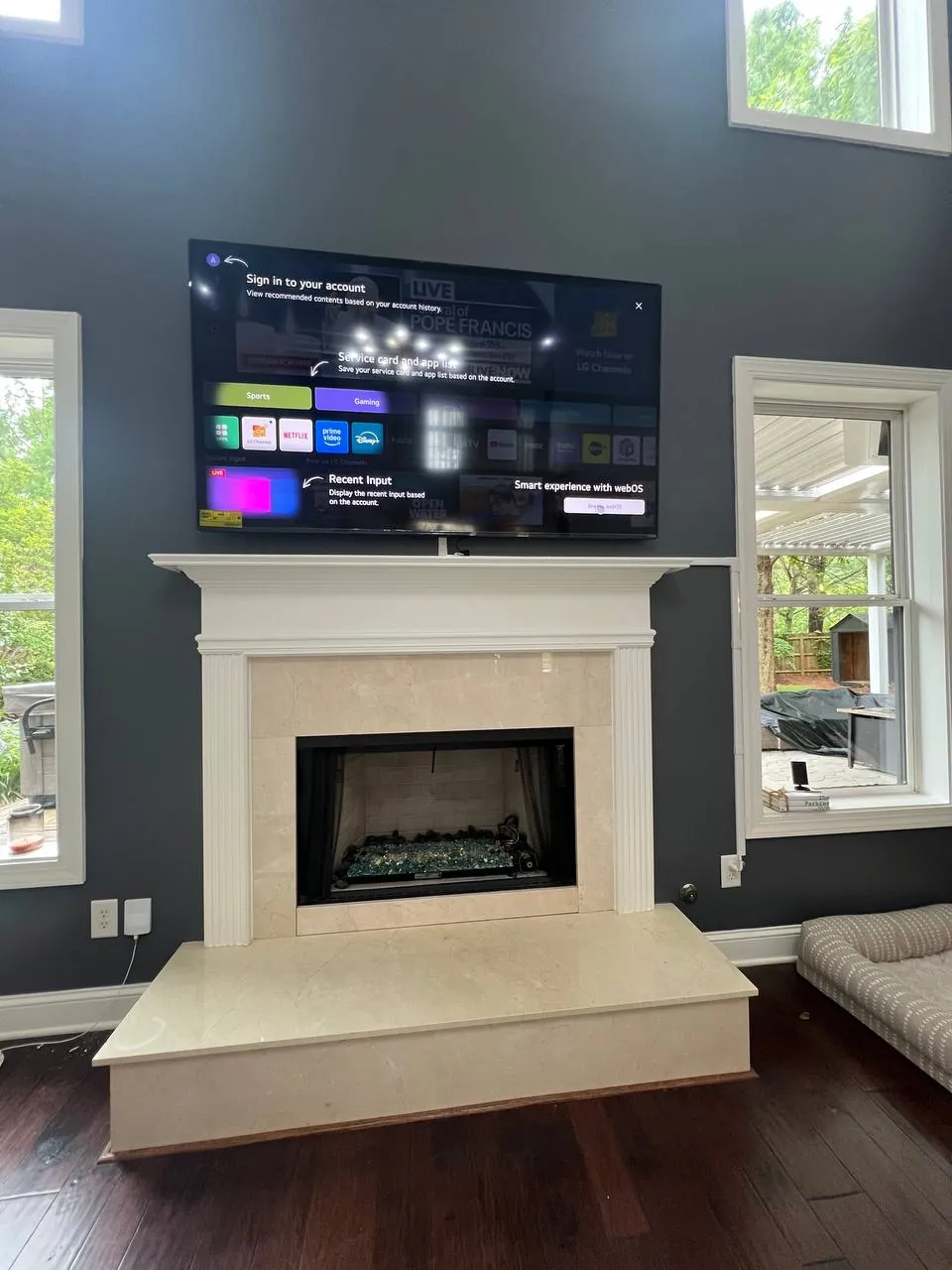
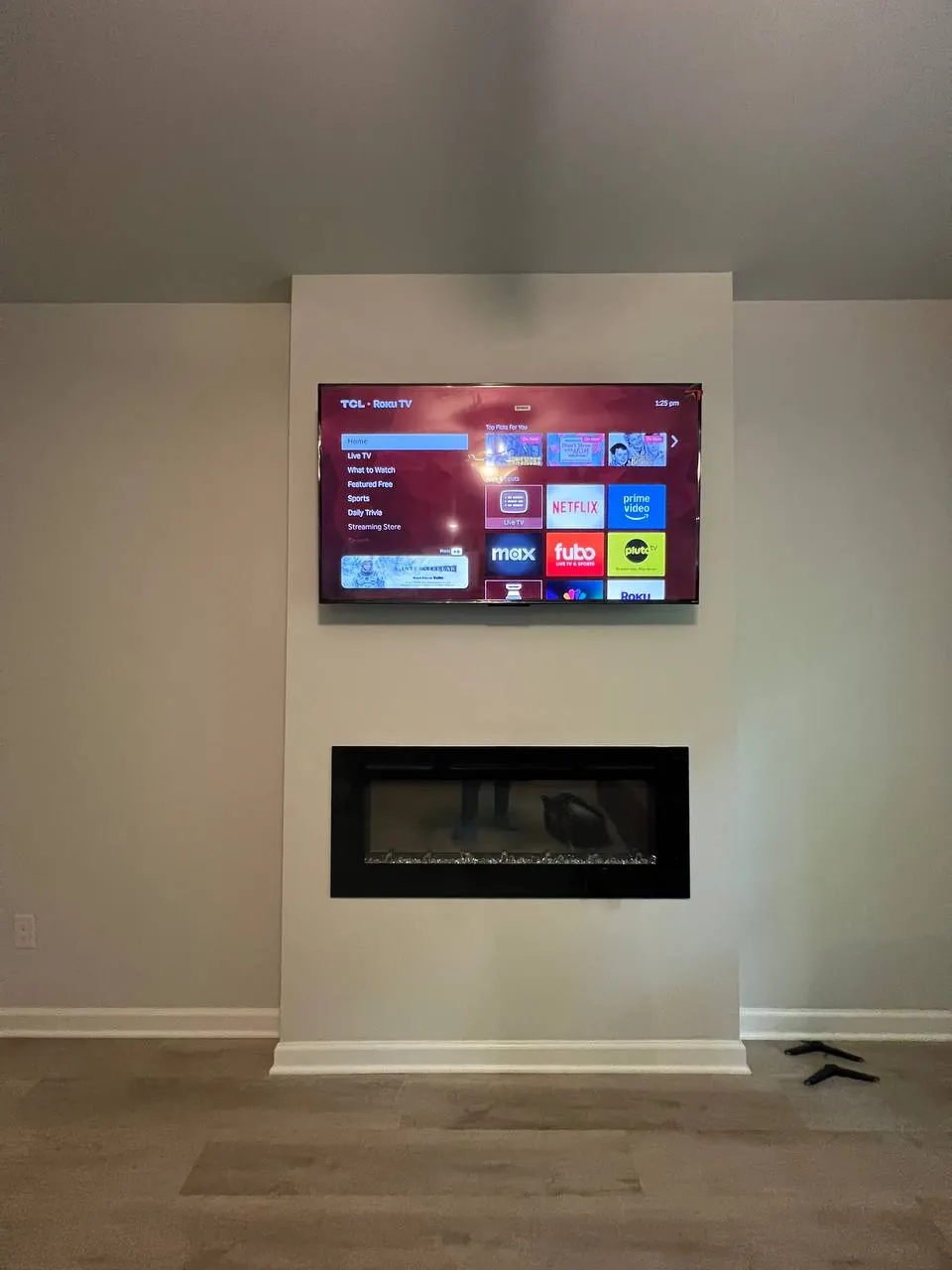
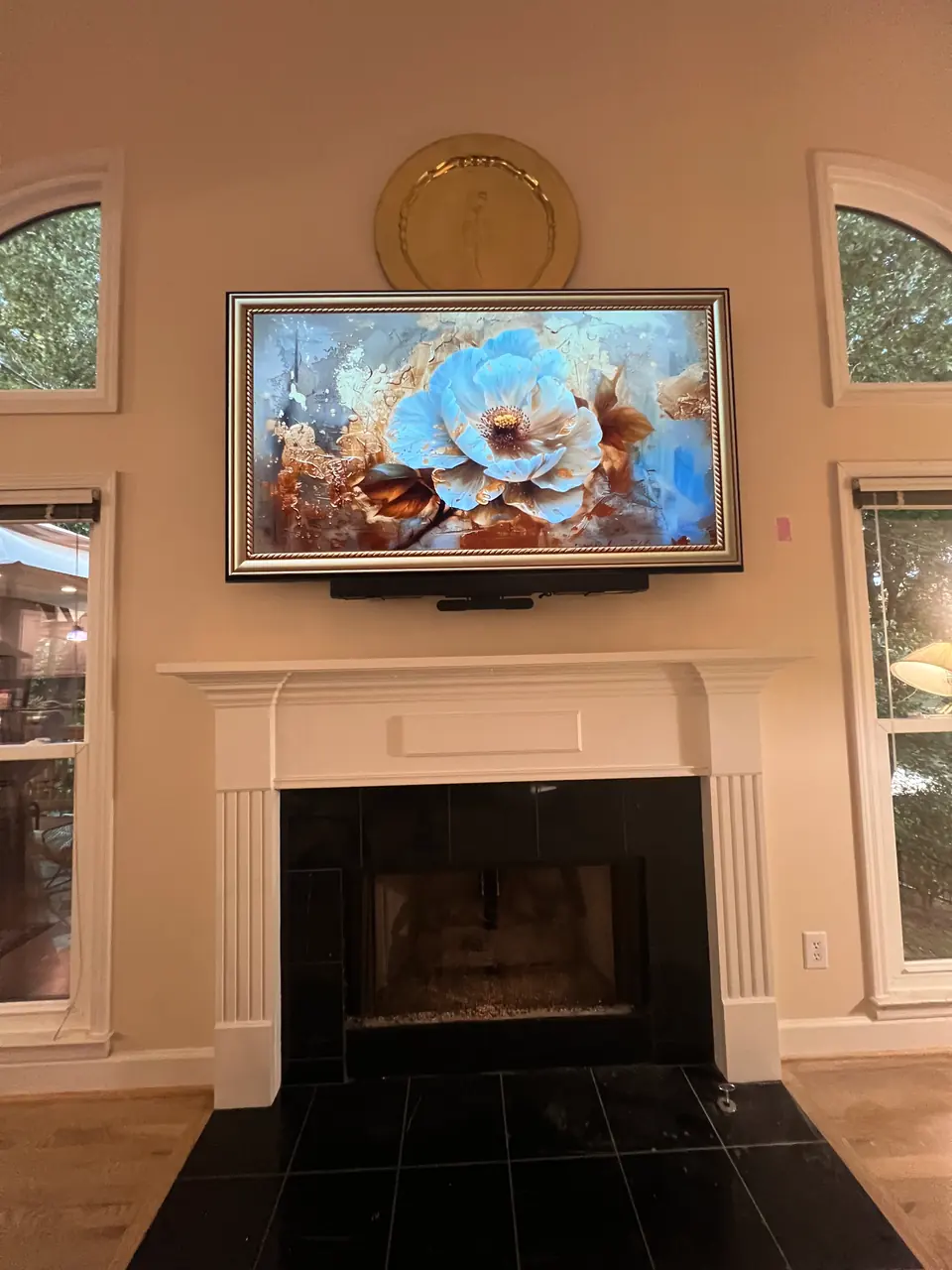
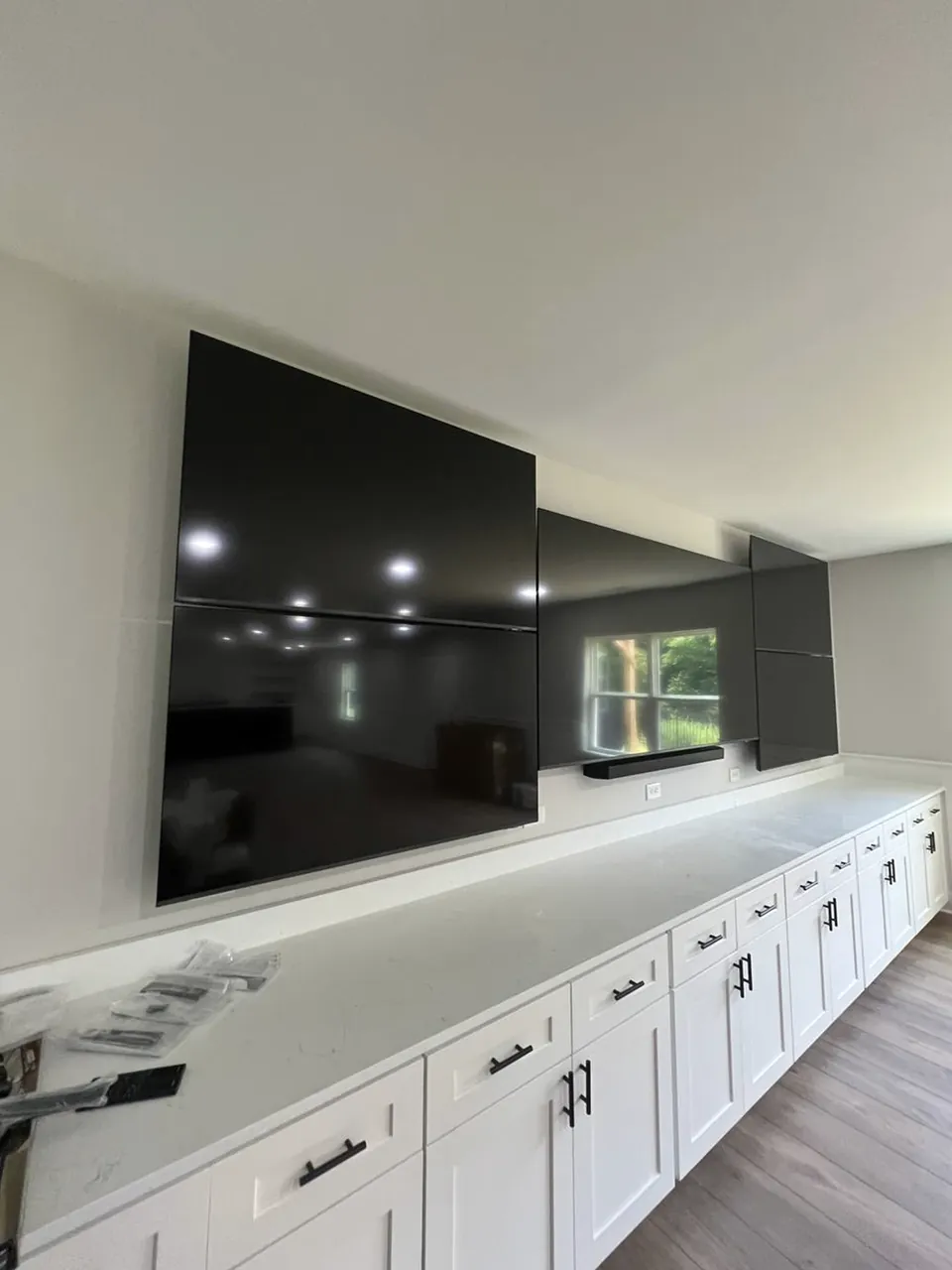
The first houses in Temple Terrace went up in the early 1920s for a resort community laid out around a golf course, Mediterranean Revival designs by architects M. Leo Elliott and Dwight James Baum. Many survive on the streets between the Hillsborough River and the course, behind barrel tile roofs and thick stucco. Those walls are masonry all the way through: hollow clay tile was one of the common walls of the period in Florida, concrete block or brick turns up in others, and the plaster inside was laid straight onto it. For a TV that means the $59 hard-wall line, anchors made for hollow masonry, and cables in a paintable cover ($49), since there is no cavity to pull them through.
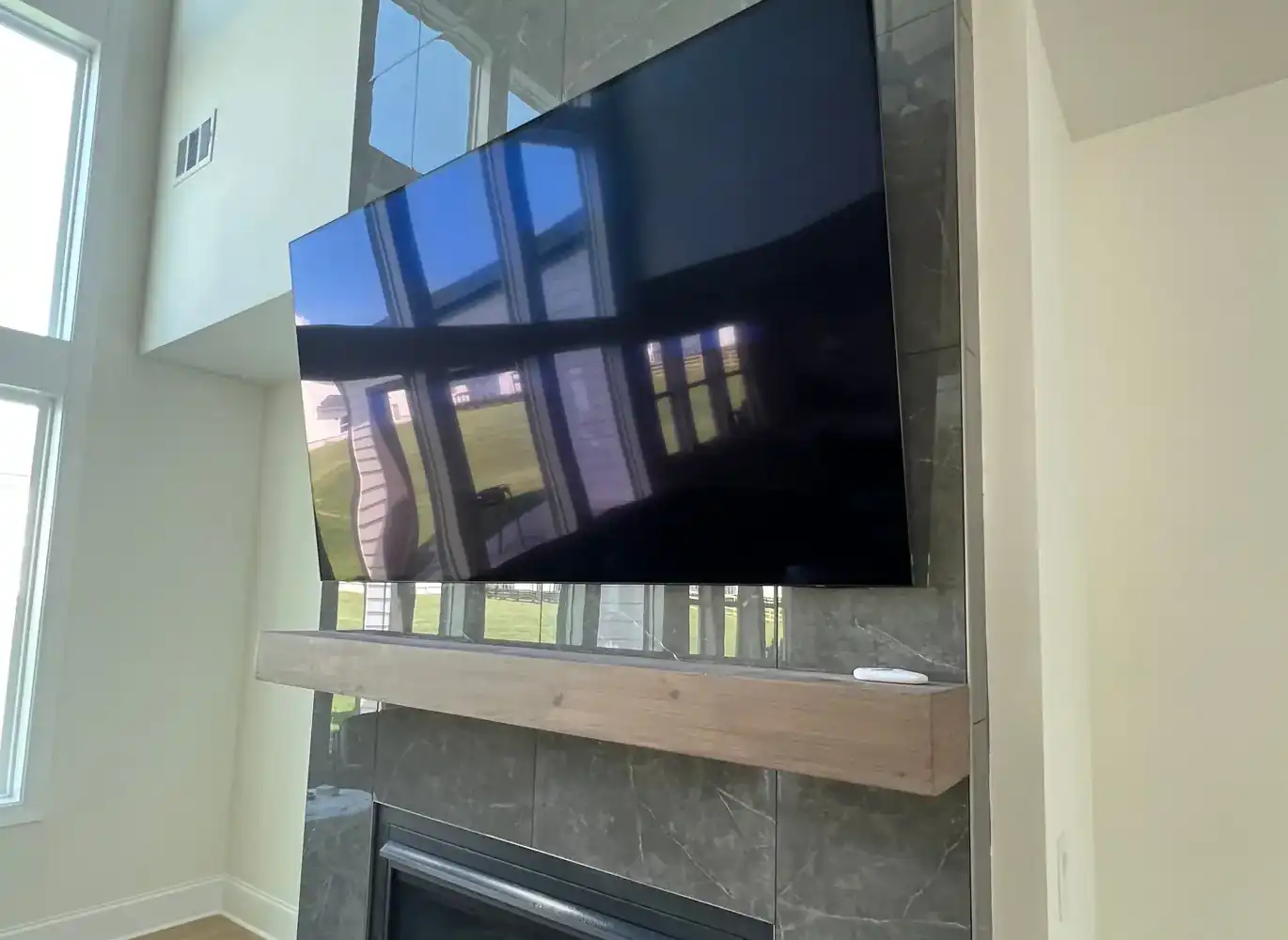
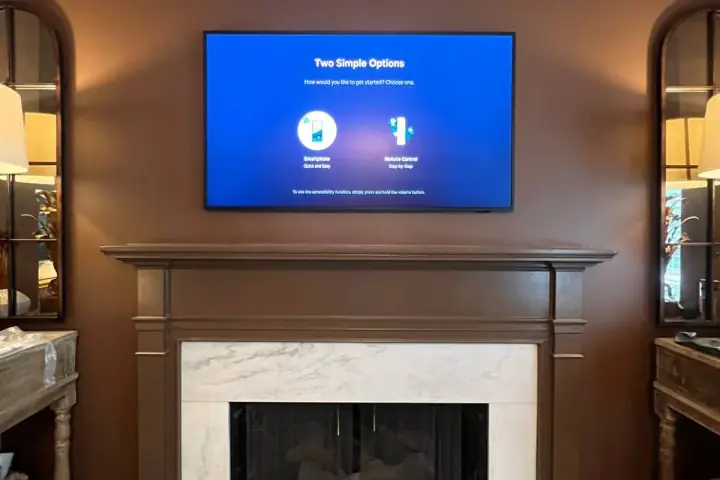
A hollow unit takes a different anchor from a solid one. The expansion anchor that bites into poured concrete has nothing to push against inside a tile cell, so the technician uses anchors that open up behind the face of the wall, and the mount's plate spreads the load across several of them. Drilling starts slow, because the plaster face is the part that chips. A fireplace in one of these houses has a masonry chimney breast too, so a TV above it adds the $49 fireplace line to the $59.
The city grew again after the University of South Florida was founded next door in 1956, this time in concrete block. Ranches from the 1950s and 1960s fill the middle of Temple Terrace. Their outside walls are block with plaster or drywall on furring strips inside, so a TV on one of them anchors into block at $59, while the framed walls that divide the rooms are priced as drywall.
Renting near USF changes the order of the questions. First comes the landlord's yes, in writing if you can get it, since the lease may say who patches the holes. Then comes how the cables run: a cover on the surface ($49) keeps them out of sight without cutting into a wall you do not own. When the lease ends, the mount can come down and go up again at the next place, where a 55-inch TV on a mount you already own is $129 on drywall with the wires in view. The Tampa page covers the neighborhoods on the far side of the campus.