A two-story house in one of Winter Garden's newer subdivisions is often built of two materials. The first floor's outside walls are concrete block under stucco, with drywall fastened to thin furring strips on the inside, and the second floor is framed in wood on top of that block. The stucco tends to run from the ground to the eaves without a break, so from the street the house gives little away. Indoors the pattern is simple: block on the downstairs walls that face outside, studs everywhere else.
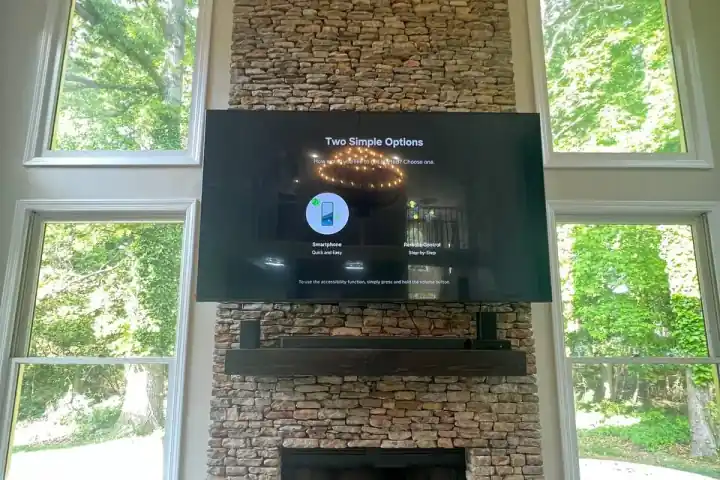
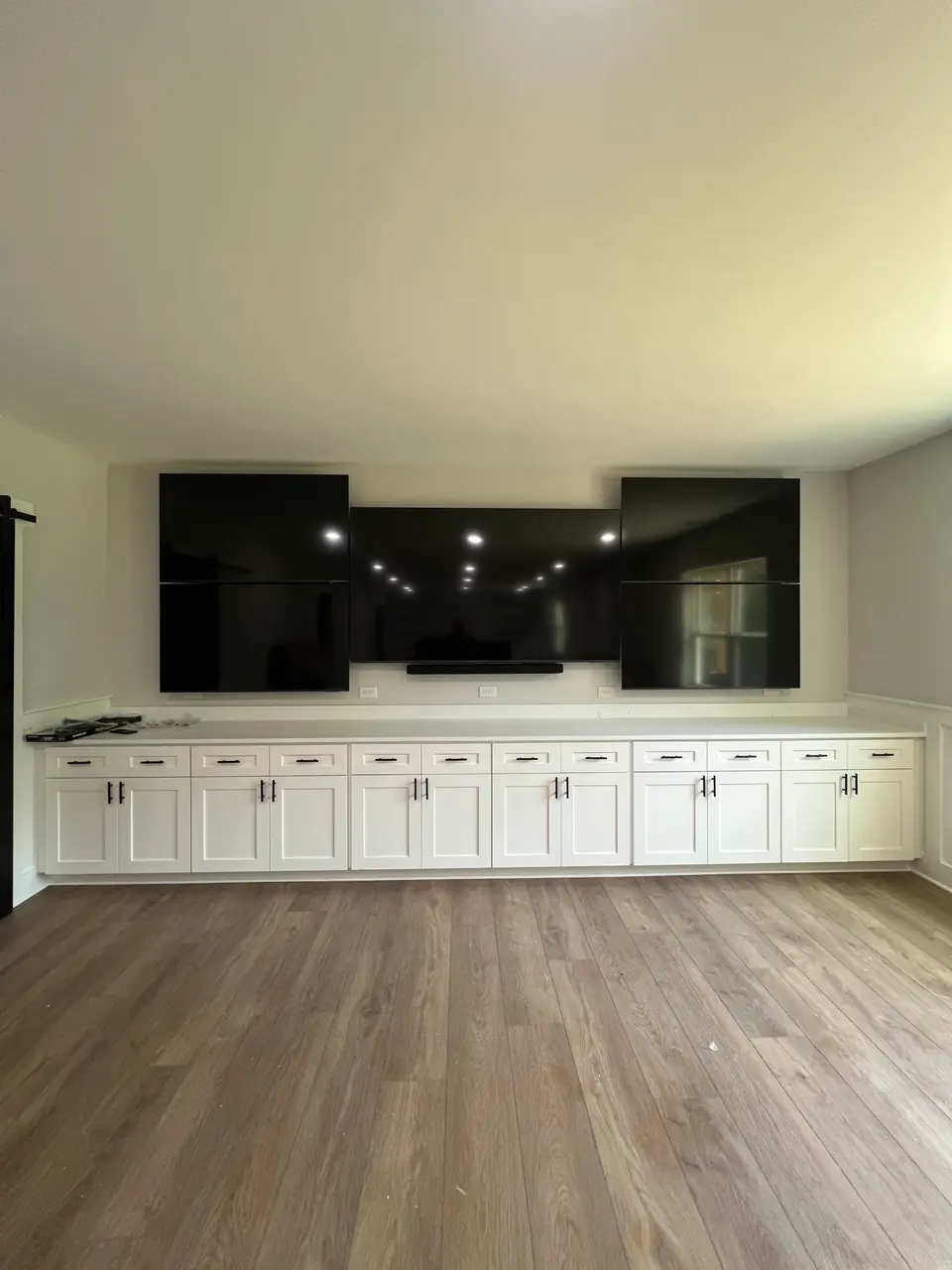
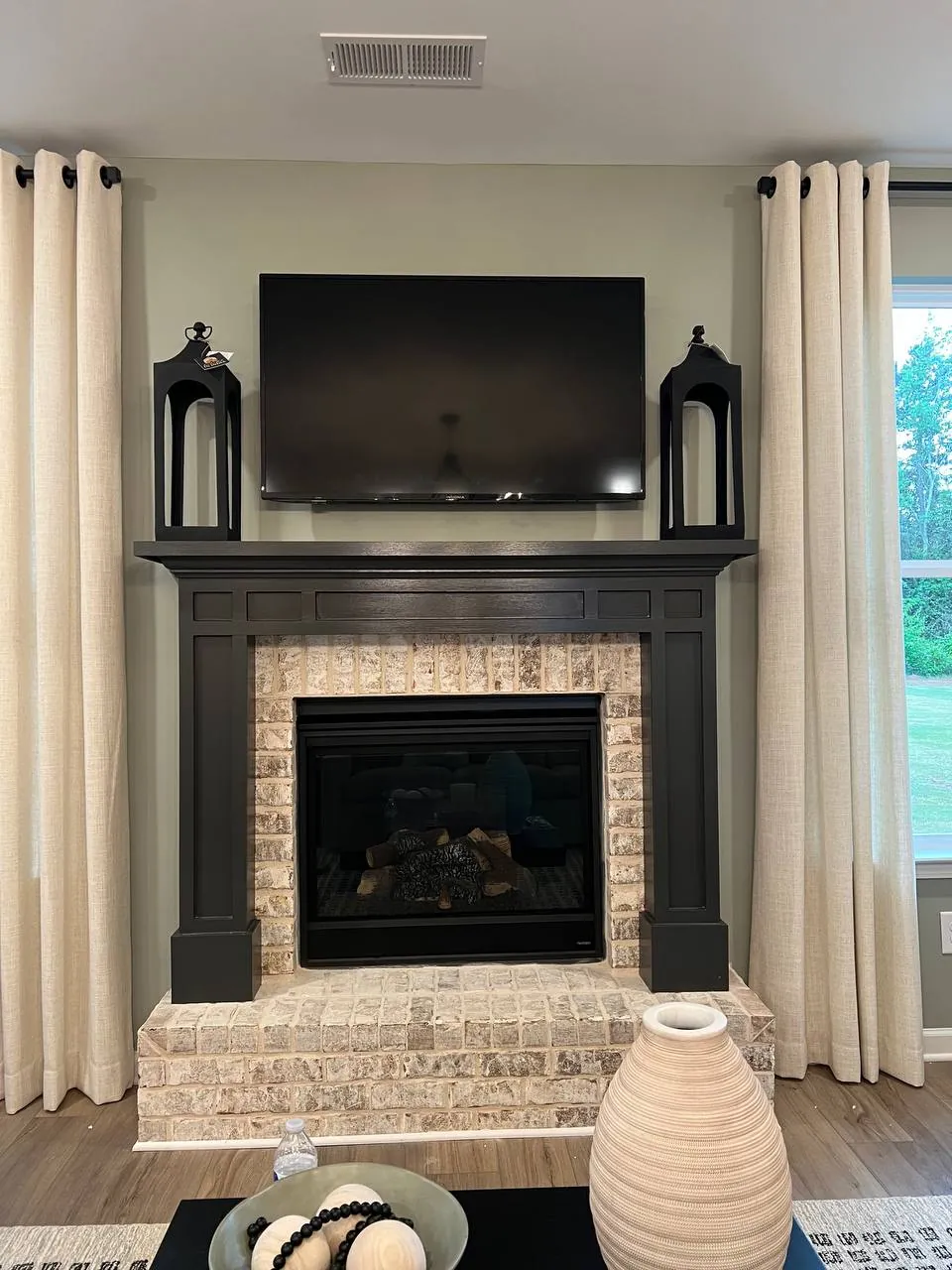
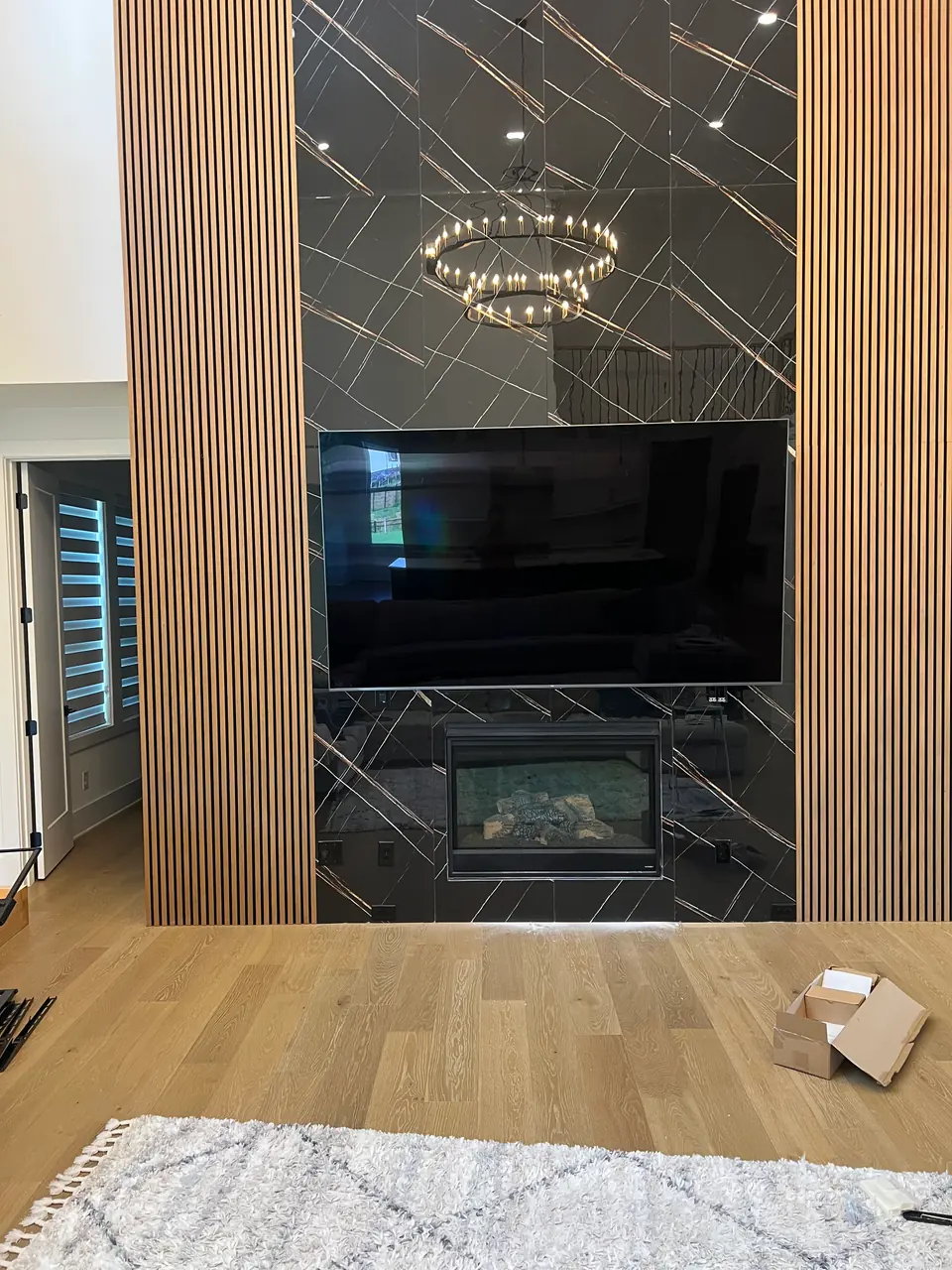
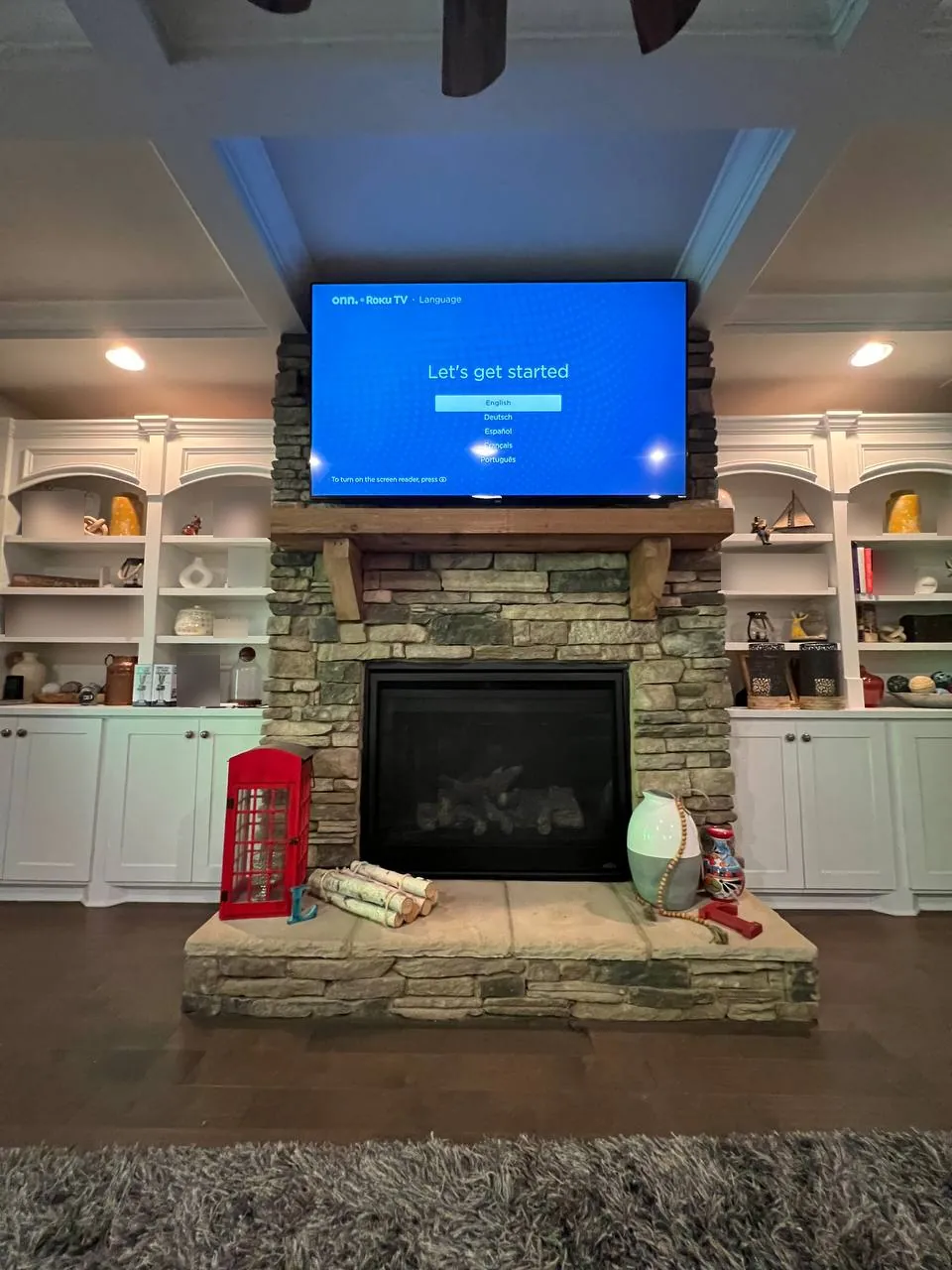
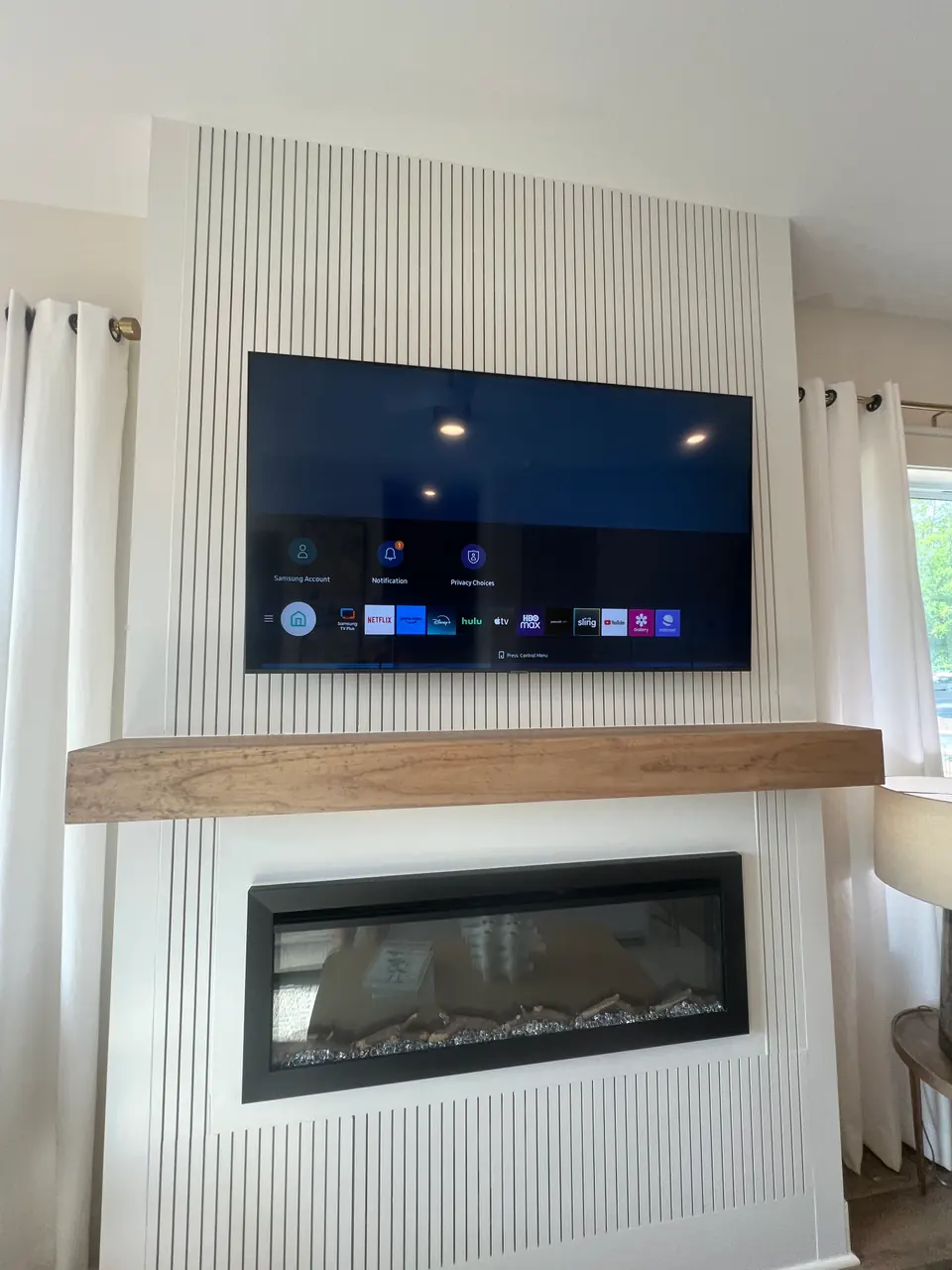
Downstairs, a TV on an outside wall is held by masonry anchors set in the block with a hammer drill, the $59 hard-wall line. The furring leaves too little depth behind the drywall for an in-wall run, so the cords ride in a paintable cover ($49) or drop straight down behind a console. The walls between the family room, the kitchen and the hall are framed, and a TV on one of them carries no wall charge and can have its cables hidden, with a power outlet behind the screen, for $99.
Upstairs, the outside walls are wood studs as well, so nothing on the second floor carries the $59 line. A TV in a bedroom or a bonus room hangs from lag bolts in two studs, and its cables can usually go inside the wall. On an outside wall up there, the cable shares the space between the studs with insulation, so an inside wall is the easier route when both would work.
Not every house fits the pattern. Some two-story houses are block on both floors, some are framed from the slab up, and the one-story houses in the same neighborhoods often have block outside walls all around. A photo of the wall and a word about which floor it's on are enough to price it. Windermere is a few miles southeast, and the Orlando page covers the rest of the area.