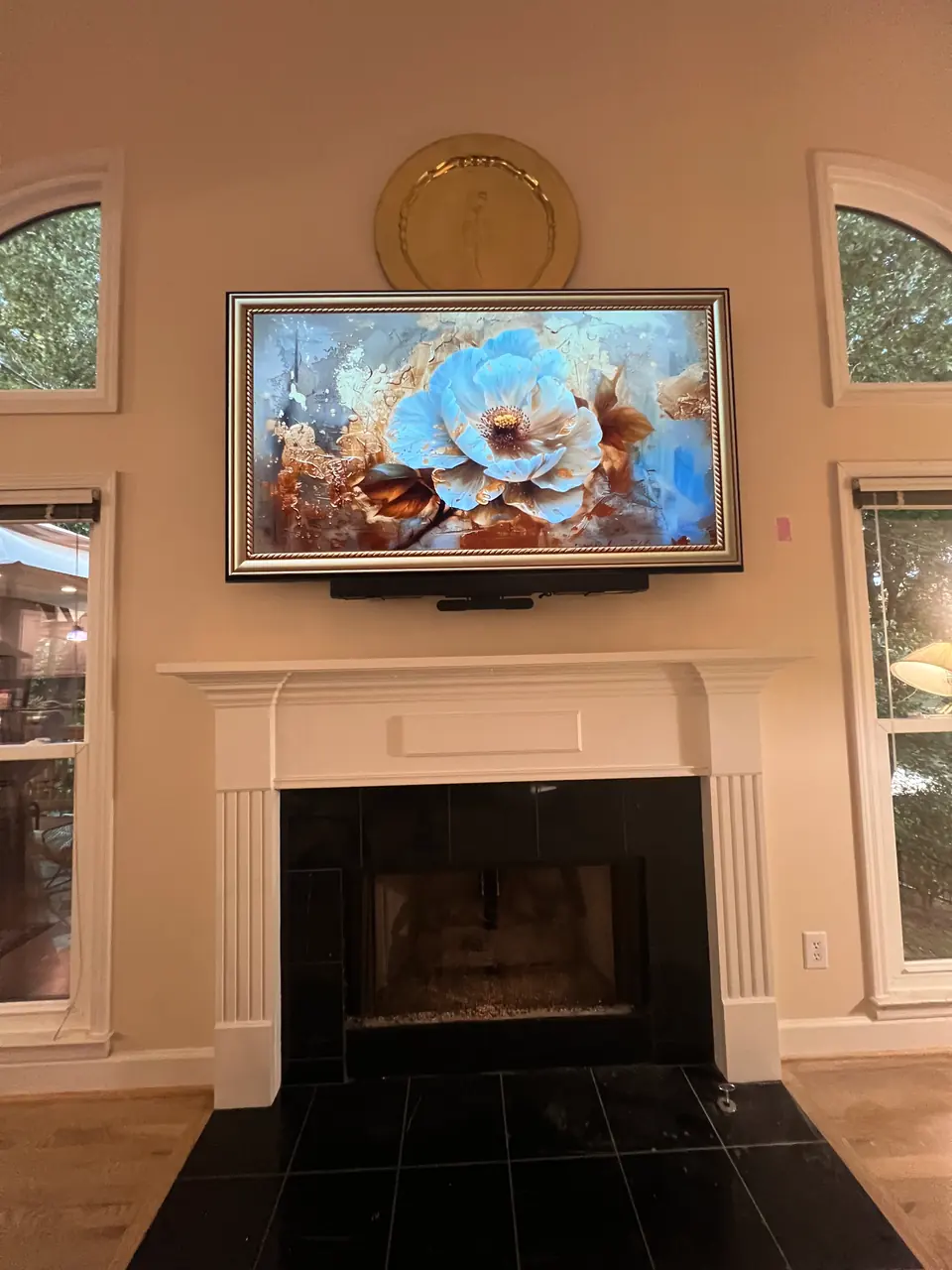
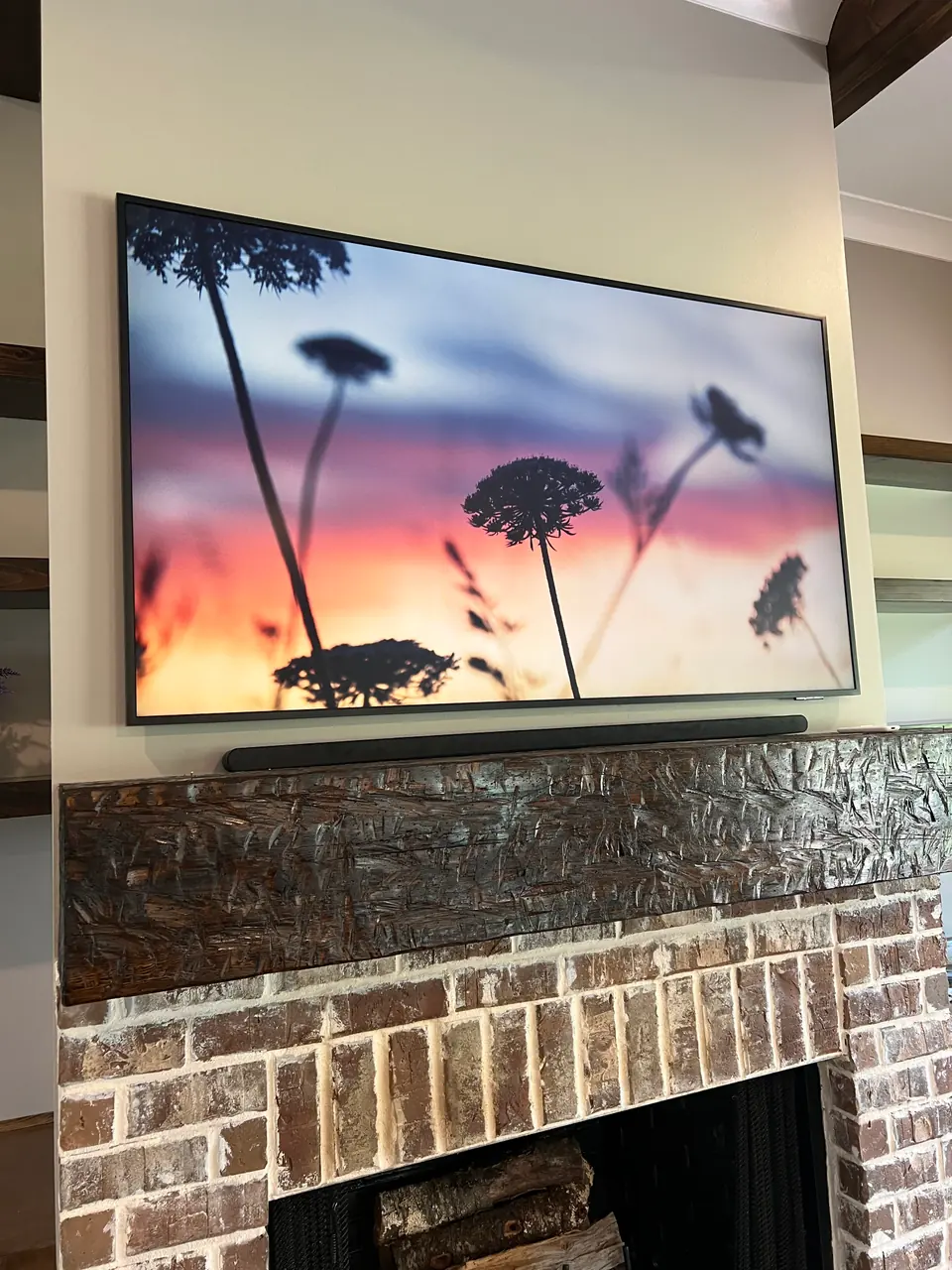
Carlson Park and the blocks around downtown Culver City kept most of their original houses, bungalows and Spanish-style cottages from the 1920s to the 1940s. A living room from that era is modest in size and busy at the edges. The front wall carries a wide window, one side wall opens to the dining room or the hall, and the fireplace takes a third. What is left for a TV is often a single stretch between a window and a doorway, sometimes narrower than the screen a family has in mind.
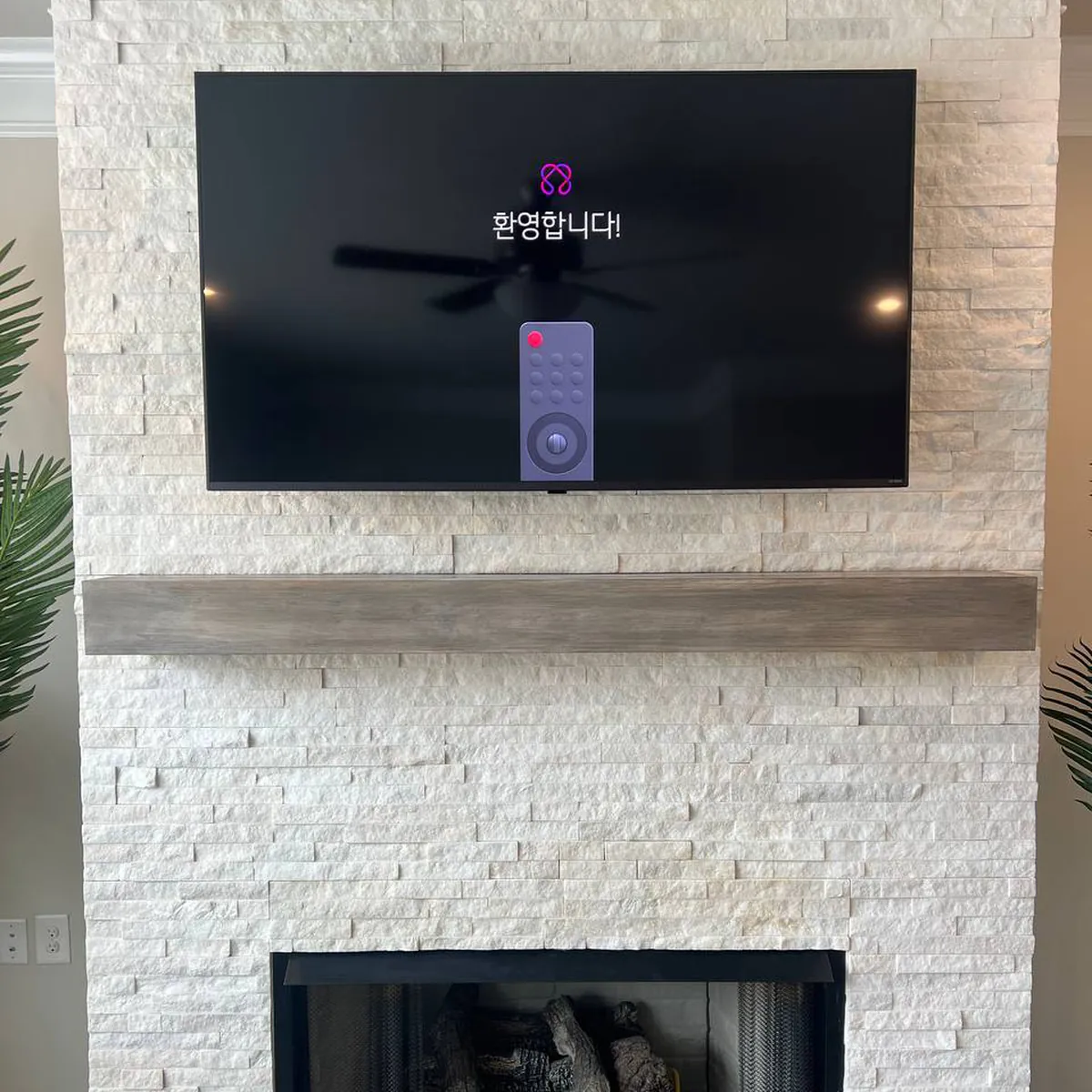
Inside those walls is plaster on wood lath, which mounts at the same price as drywall. The lag bolts reach the studs behind the lath, so the plaster itself carries nothing. A smaller screen on a fixed mount ($49) suits a room this size, and labor is $69 up to 31 inches or $129 from 32 to 59 inches. Whether the cords can run inside a 1920s wall depends on what sits in the cavity, so a paintable cover ($49) is the common answer and the in-wall run ($99) is the one to confirm with a photo.
Many Culver City owners have opened these houses up, taking out the wall between the kitchen and the living room. The room gains light and loses its best TV wall. What remains is usually the end wall, and the sofa no longer faces it square because the seating turns toward the island or the yard. A full-motion mount ($79) pulls the TV off the wall and swings it toward wherever people sit. In Sunkist Park the post-war ranch houses have drywall from the start and a longer living-room wall, so the choice there is mostly about height.
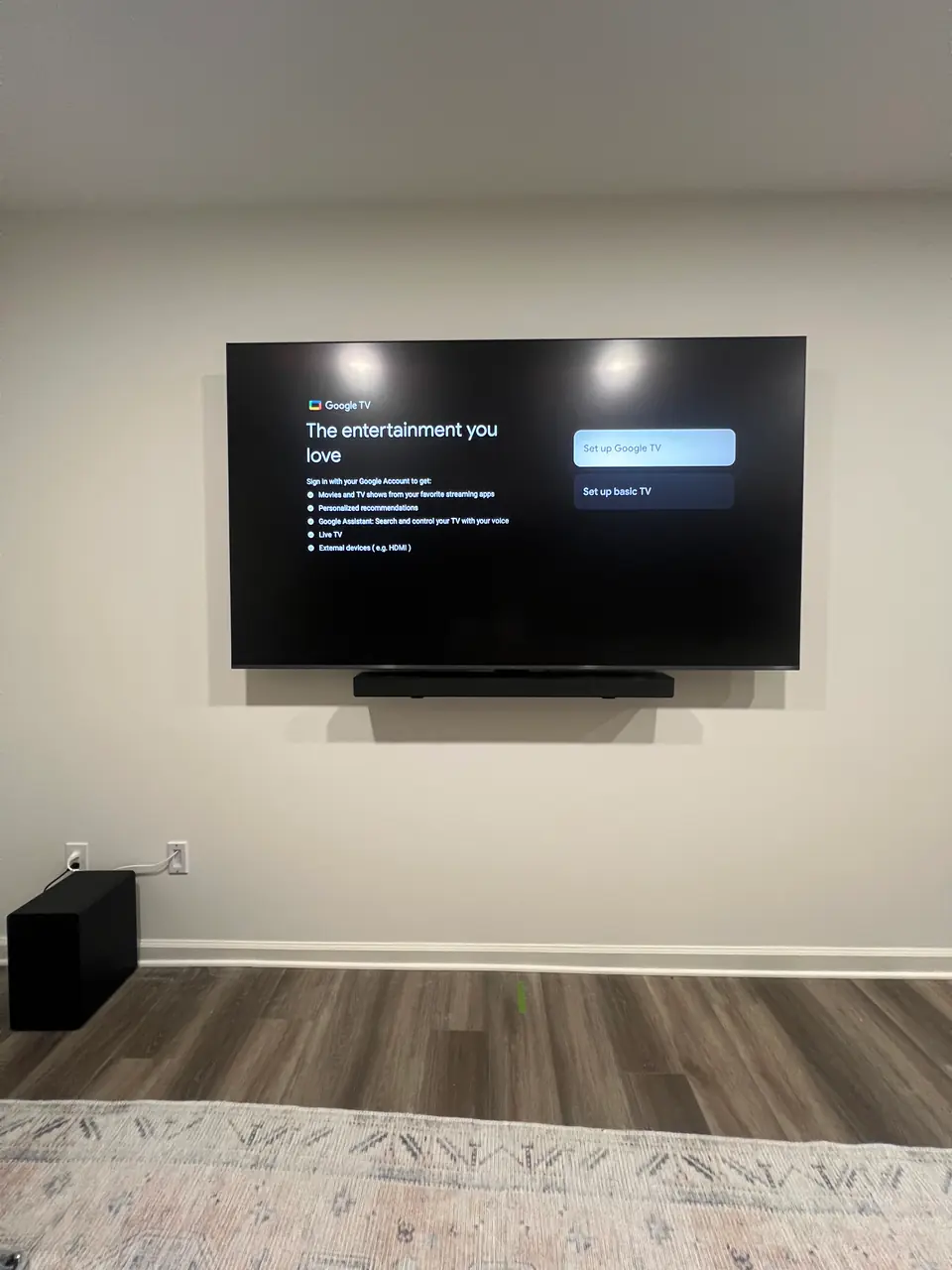
The third kind of Culver City home is new. Three-story townhomes have replaced older buildings on several streets, with the garage at the sidewalk, bedrooms in the middle and the living room on top. Every wall up there is drywall on wood studs, so there is no wall charge and the in-wall run to an outlet behind the TV is the usual choice at $99. What the layout adds is stairs. A 60-inch or bigger TV is $165 with one technician and your help carrying and lifting, or $210 with two technicians who handle the climb.