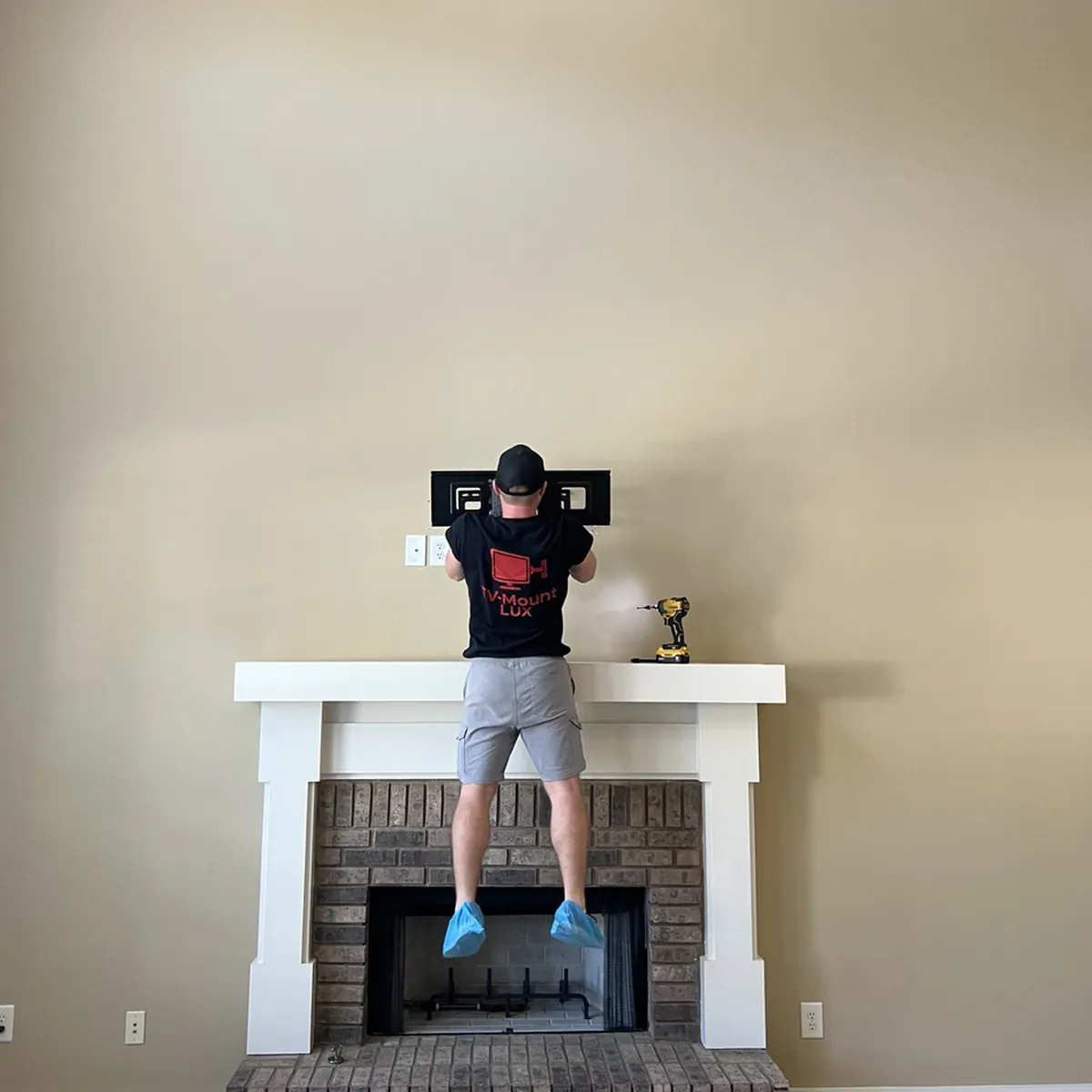
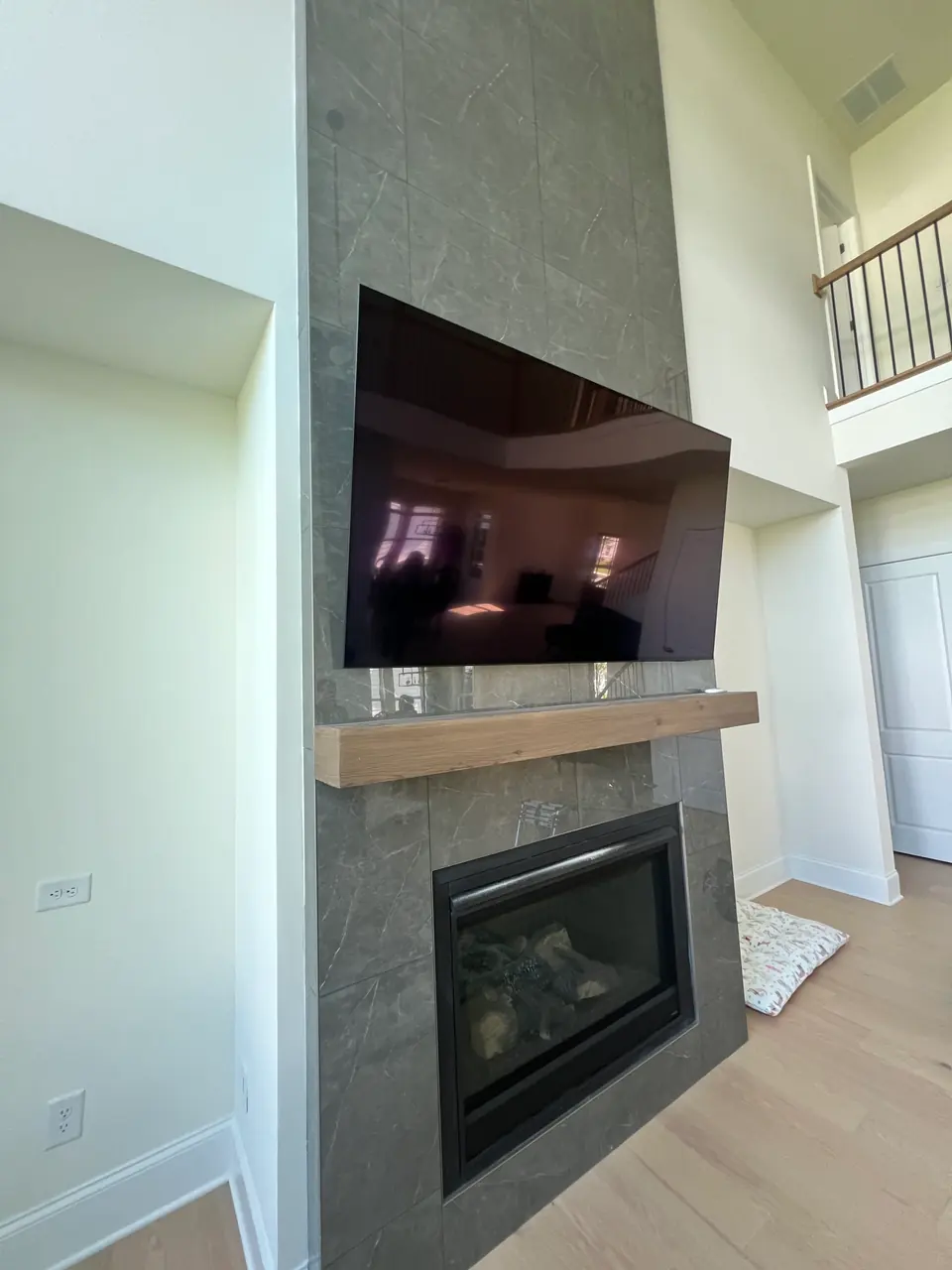
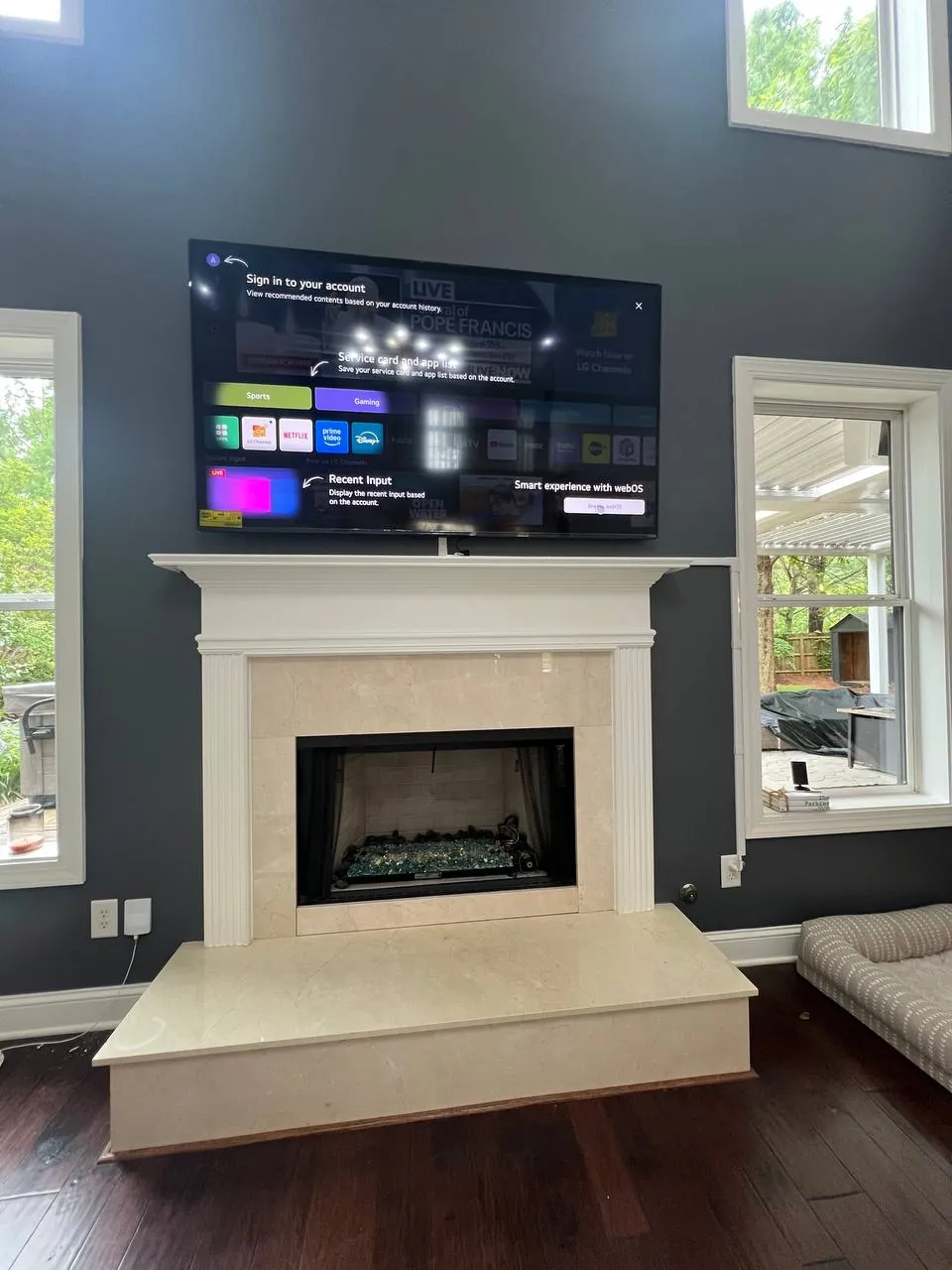
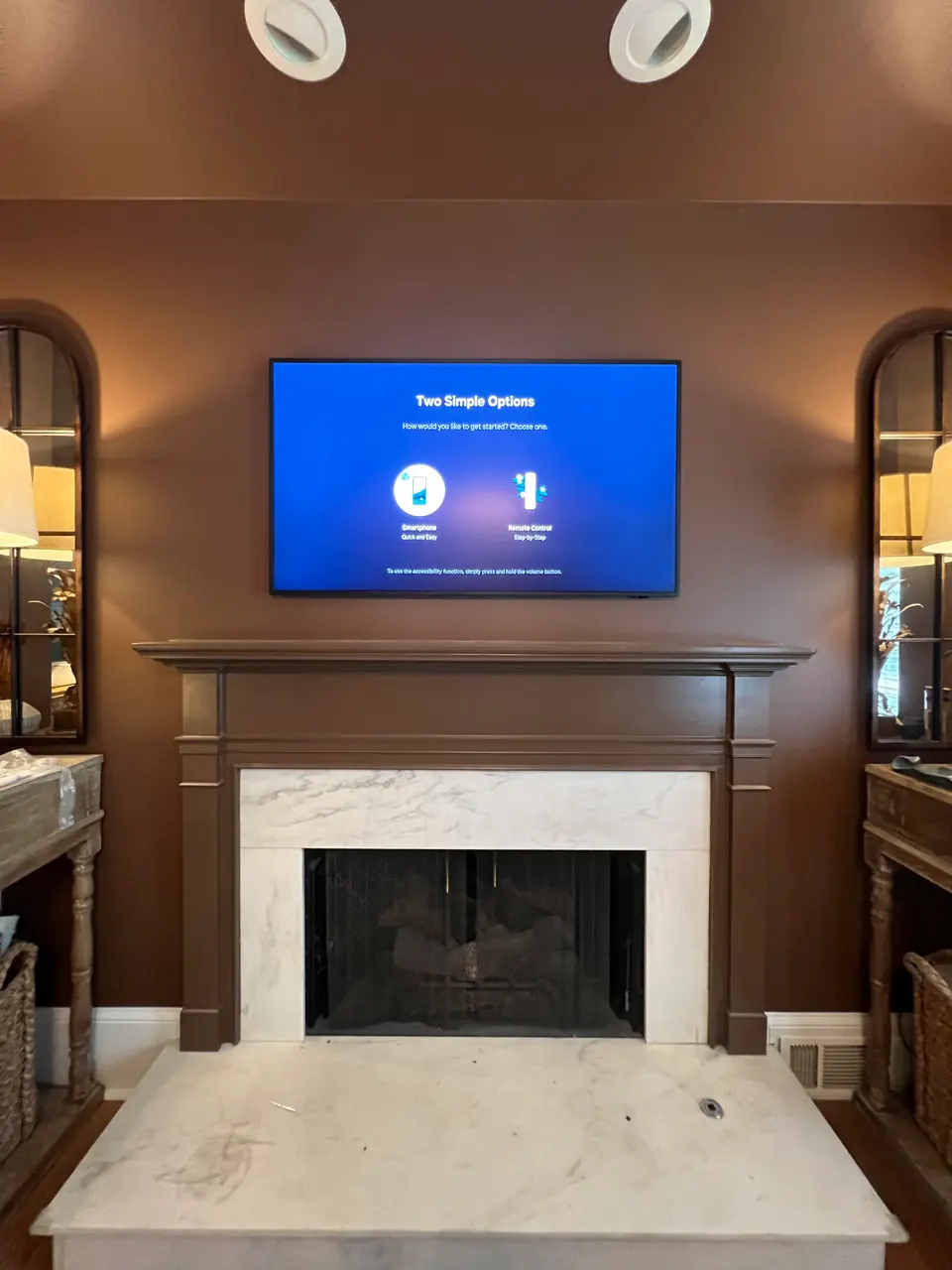
Santa Monica is a city of apartment buildings, and a building's age tells the technician what is behind the paint. The two- and three-story stucco buildings put up from the 1950s through the 1970s have wood studs behind drywall. The condo buildings of the 1980s and 1990s often switch to metal studs, which take toggle anchors sized for the stud instead of lag bolts. The taller buildings along Ocean Avenue and Wilshire Boulevard have concrete. Wood and metal framing carry no wall charge. Concrete is the $59 hard-wall line, drilled with a hammer drill and fitted with anchors made for it.
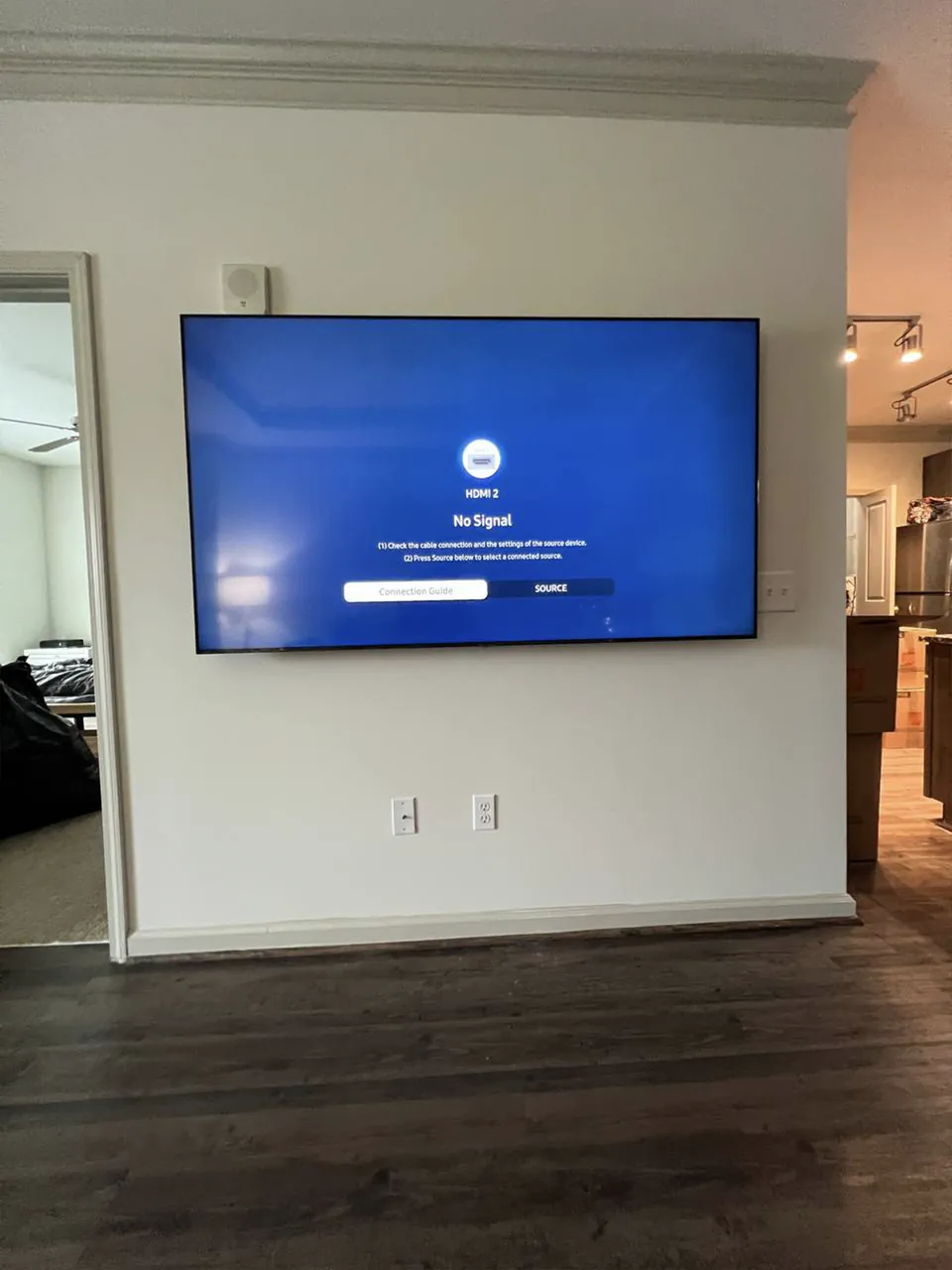
A large share of those units are rented, and a rented wall comes with one step before the booking: the landlord's permission to drill. A lease often allows a mount in the studs, with the holes patched at move-out, and rarely allows the wall to be opened. That is why the $49 paintable cord cover is the usual Santa Monica choice over the $99 in-wall run. The cover screws to the surface, takes the wall's paint, and comes off with the mount when you leave.
South of Pico, Sunset Park and Ocean Park hold most of the city's single-family streets. The bungalows there date from the 1920s to the 1940s, many with plaster on wood lath, and the houses from the 1950s have drywall. Plaster mounts at no extra charge, with a pilot hole through the plaster first so the surface does not chip around the bolts. A bungalow living room usually has one short solid wall, which suits a 55-inch screen.
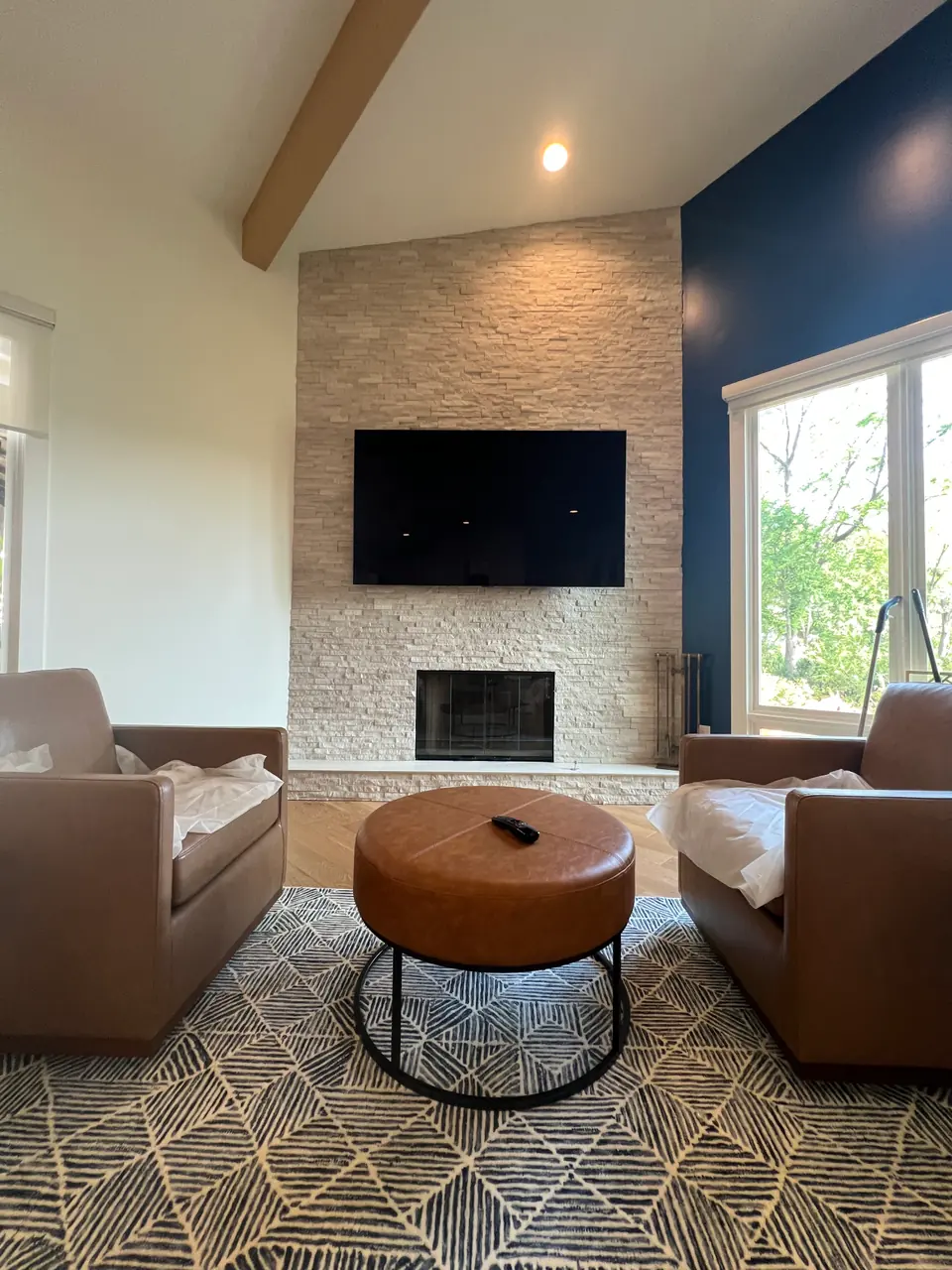
Light is the other thing to plan for in Santa Monica. A west-facing window near the beach throws a bright reflection onto any screen that faces it from mid-afternoon to sunset. Placement fixes most of it: a wall that runs at a right angle to the glass, so the window is beside the TV rather than across from it. Where the only wall faces the window, a tilting mount for $59 angles the screen a few degrees off the reflection, and a full-motion mount for $79 pulls the TV out and turns it away from the window while the sun is low.