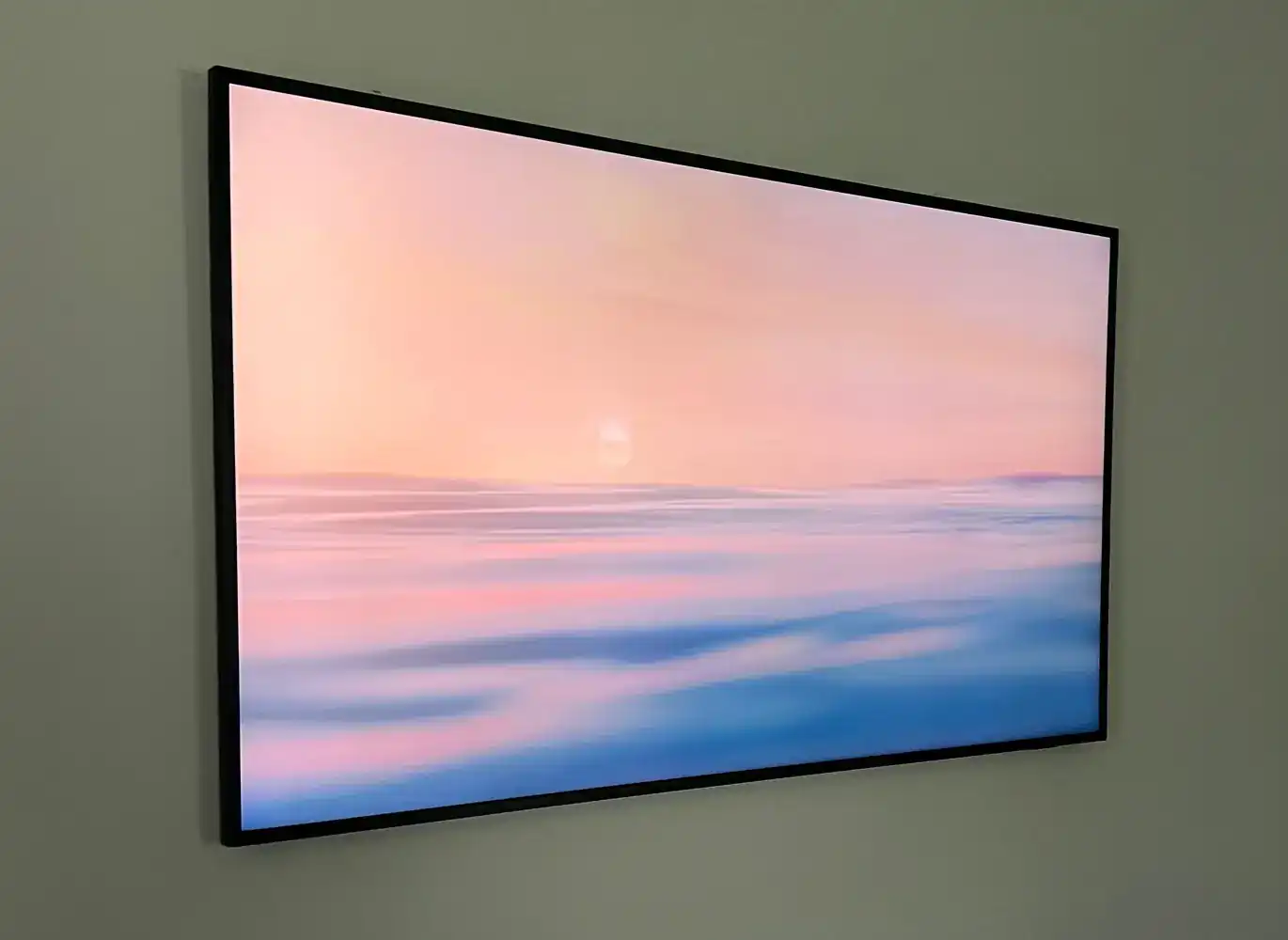
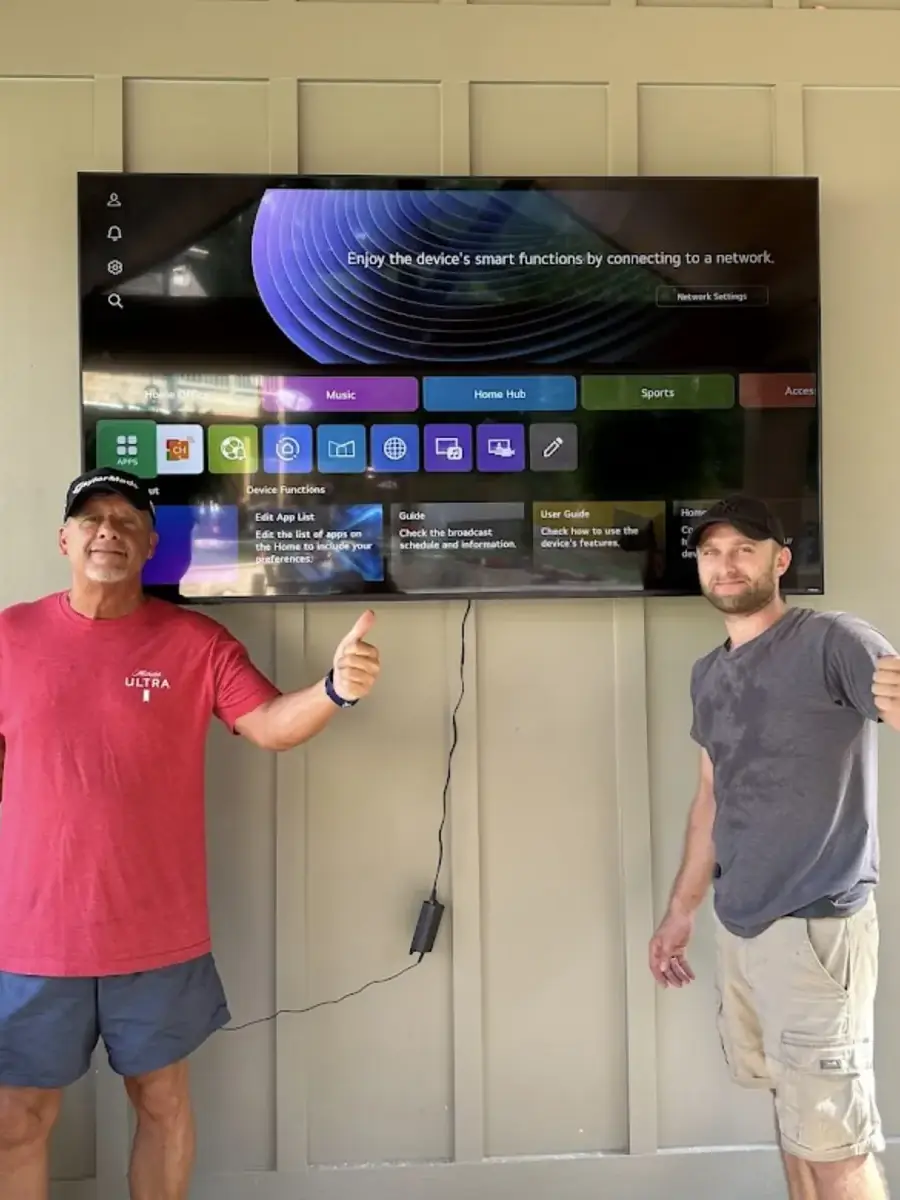
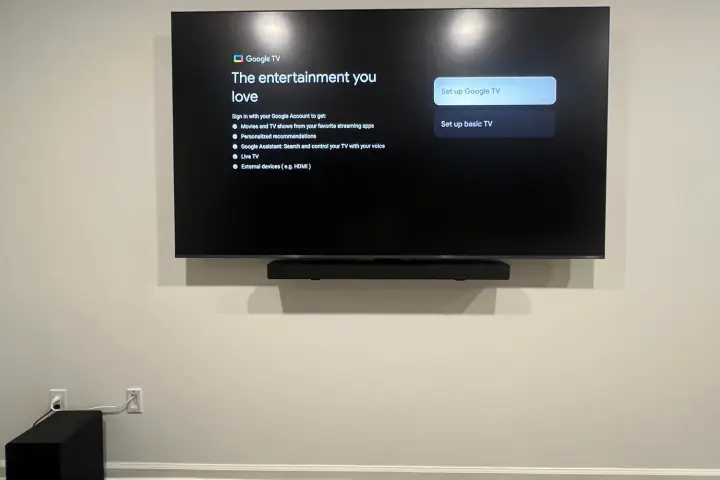
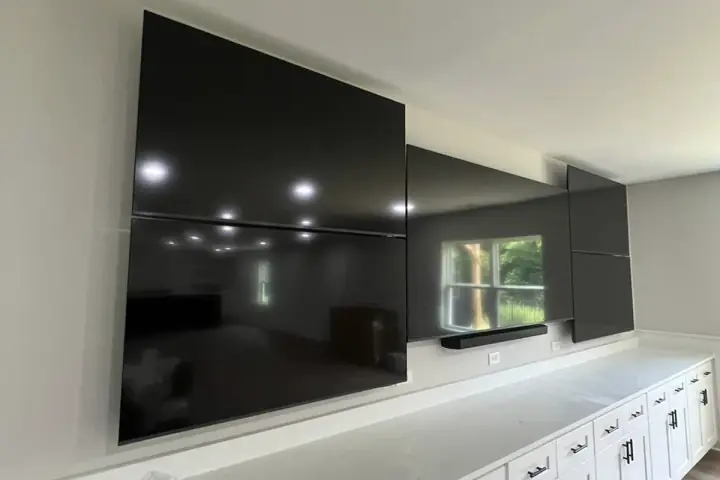
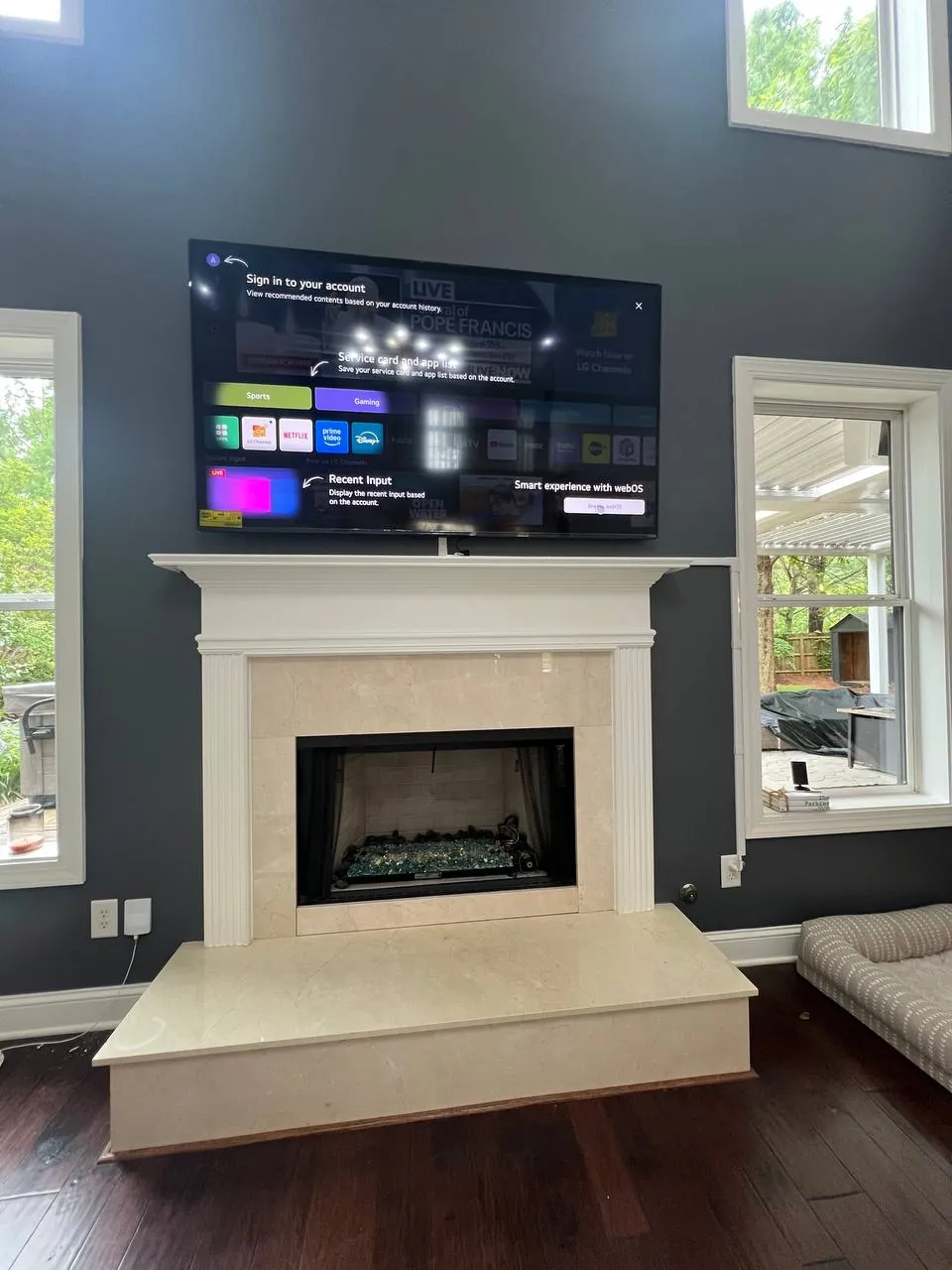
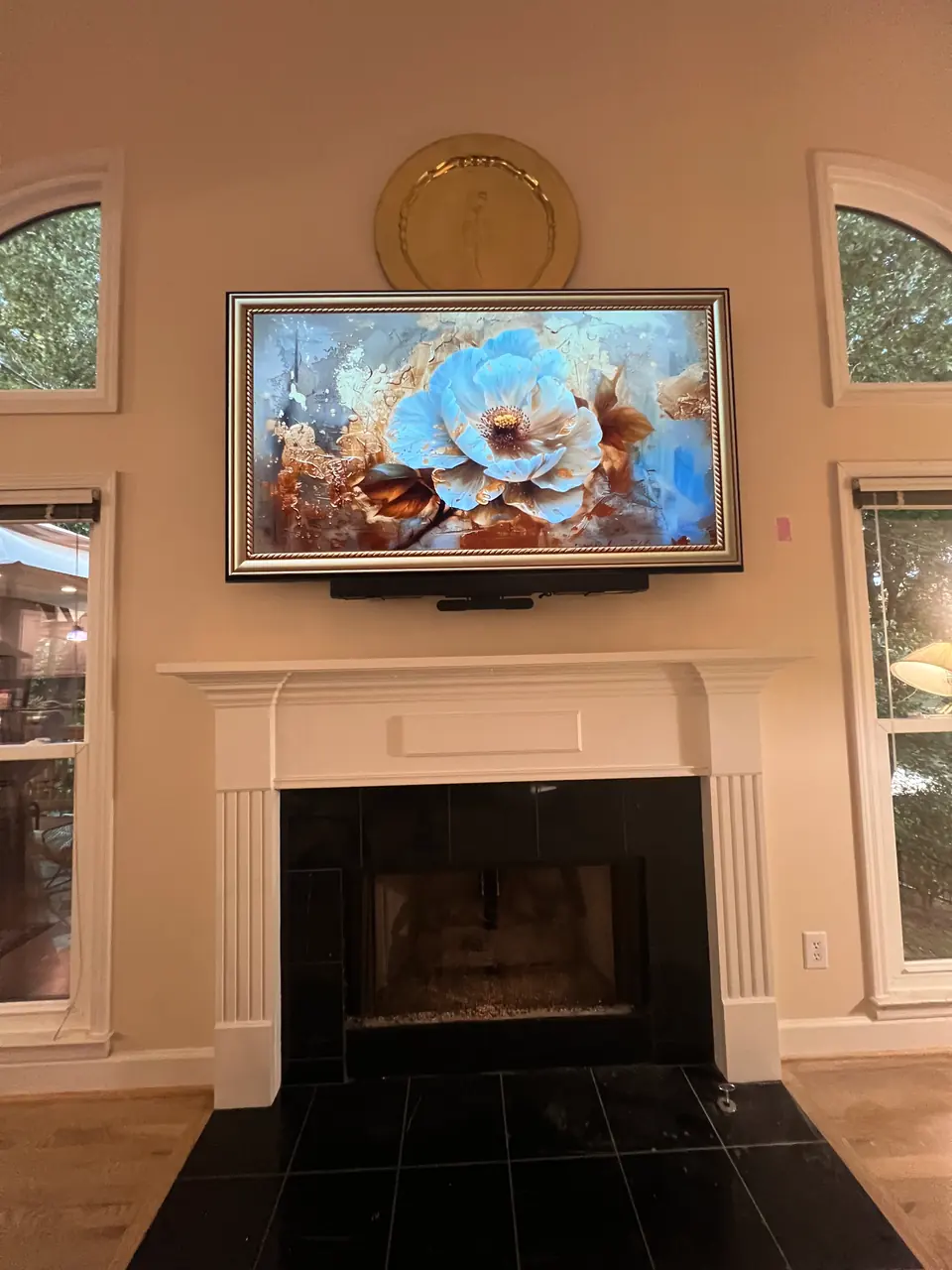
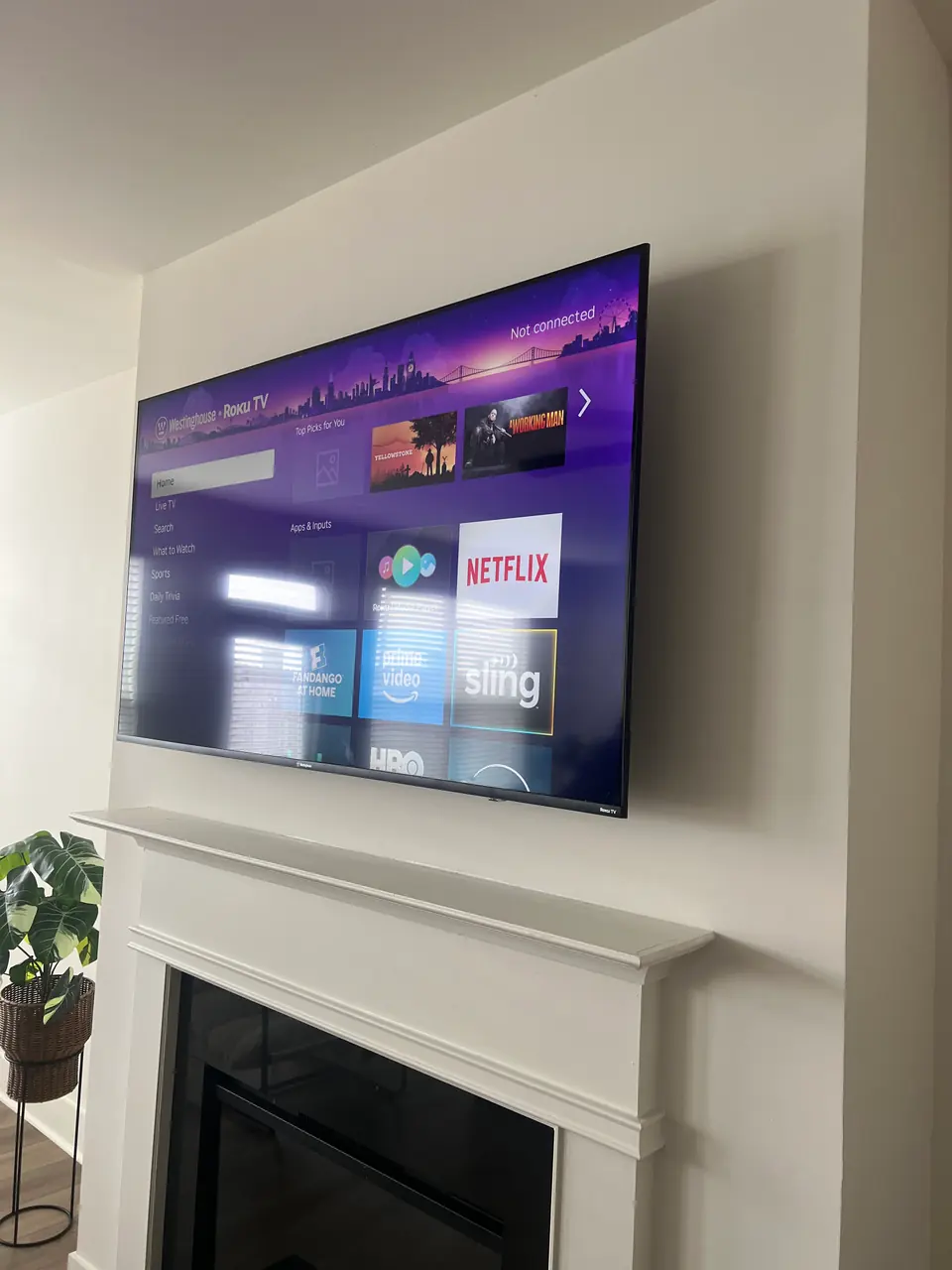
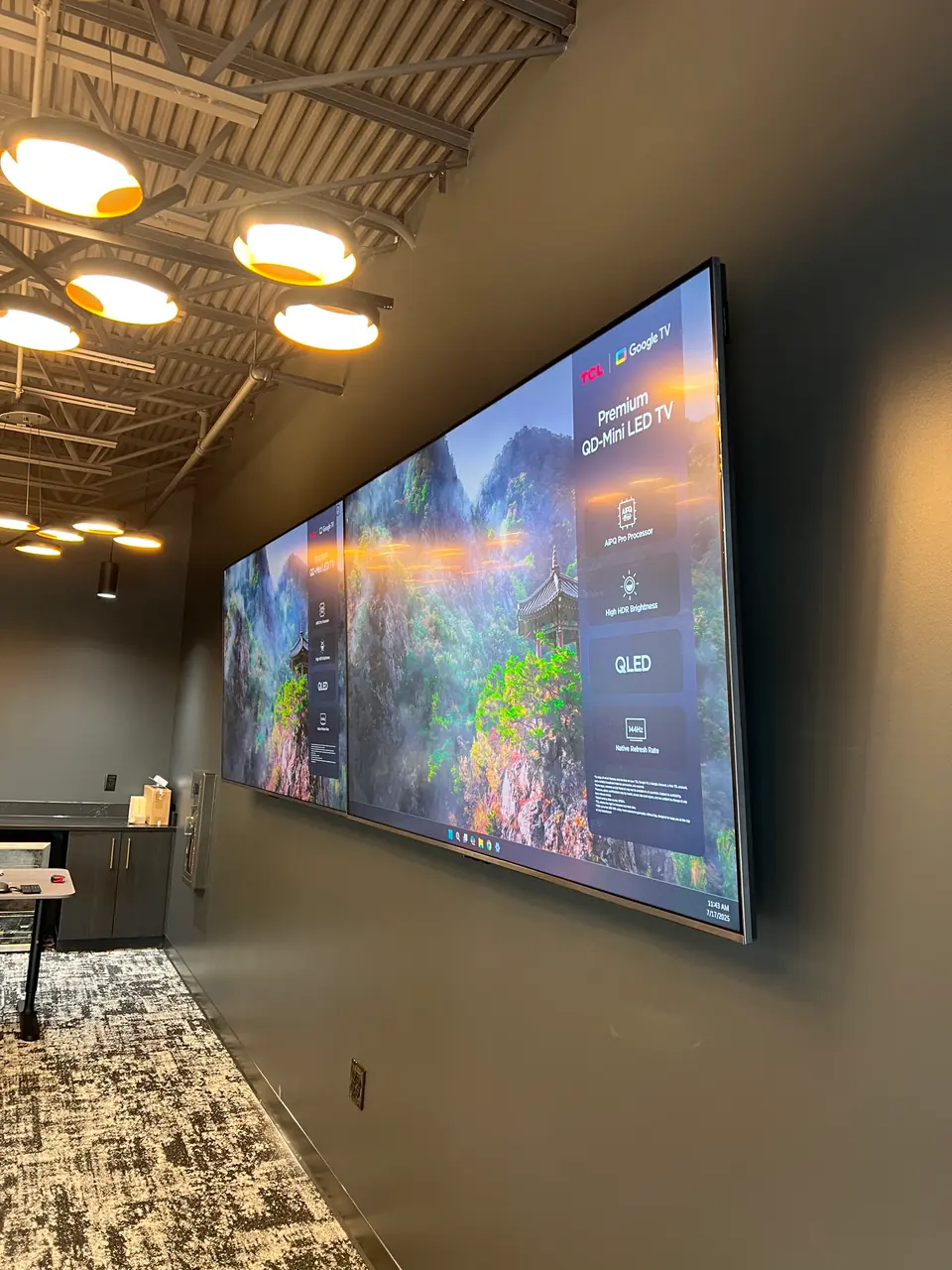
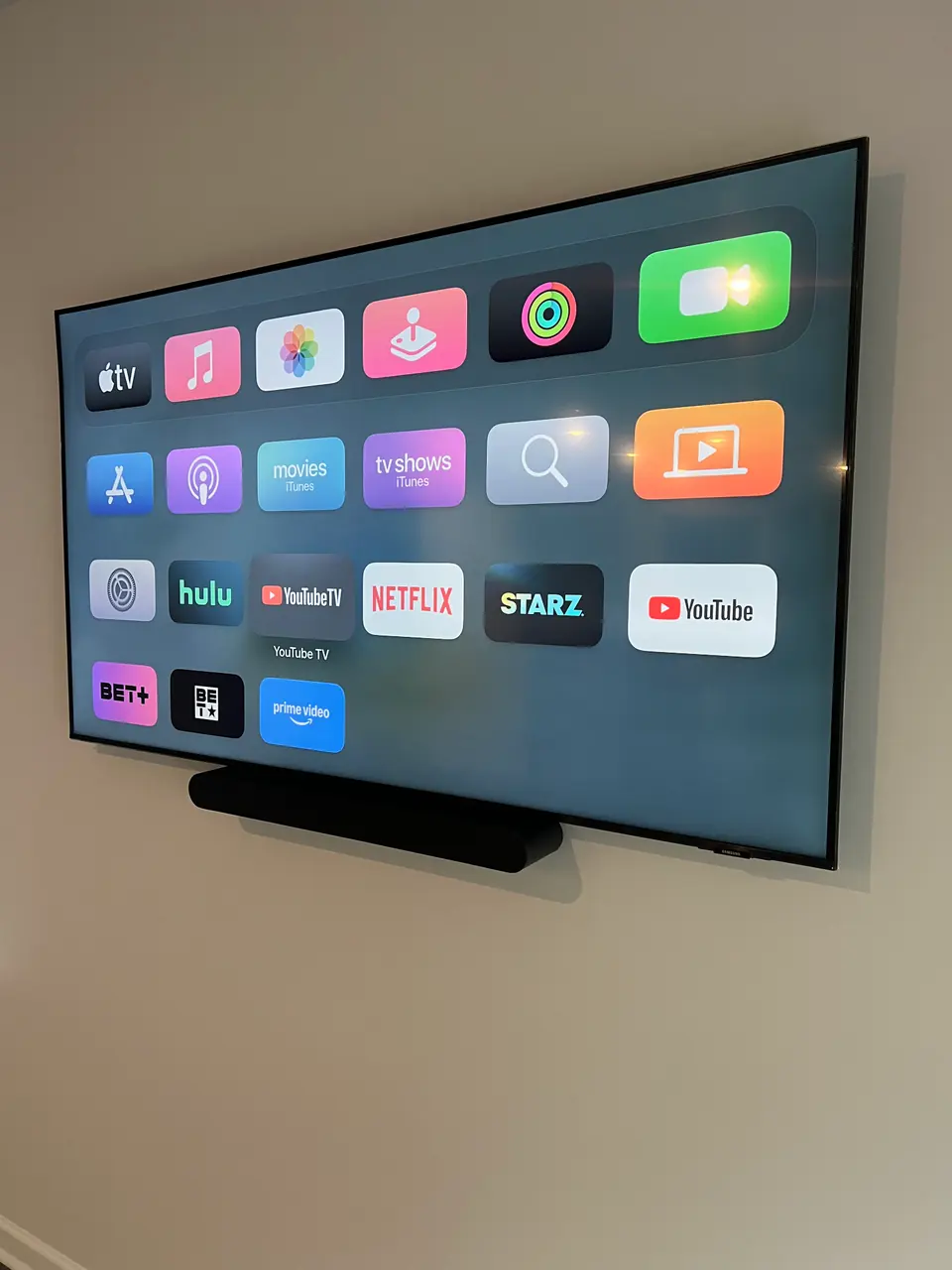
Courtyard buildings are an Evanston fixture: brick apartment buildings wrapped around an open court, most of them put up in the 1910s and 1920s. A good number have since been converted to condos, others are still rentals, and some condo owners rent their units out. Inside, the rooms are plaster. The walls between rooms are usually wood framed with the plaster on lath, and a TV on one of them carries no wall charge. Outside walls are another story: usually solid brick, often with the plaster laid right on the masonry, so a TV there takes masonry anchors at $59. With no cavity in that wall, a paintable cover for $49 carries the cables down to the outlet, and the brick and stone page explains the anchors.
Who can say yes depends on how the unit is held, and getting that yes before the visit is up to you. A renter needs the landlord's permission to drill, and separate permission for any opening in the wall if the cables are to run inside. Condo owners usually control the inside of their units, but many associations treat the outside walls and the walls shared with neighbors as common elements, and the rules may limit drilling into them or set hours for contractor work. Renting a condo unit adds a layer: you need the owner's permission, and the owner has to follow the board's rules.
South Evanston also has brick two-flats, often from the 1920s, with one apartment to a floor. The owner sometimes lives in the other unit, which makes the question quick to ask. Inside, a two-flat is built much like a courtyard building, with plaster partitions at no wall charge and brick outside walls at $59. Where the owner agrees and the stud bay is open, the $99 in-wall line hides the cables inside a partition and adds a power outlet behind the screen.
Plan around the radiators too. Vintage buildings and two-flats often heat with them, set under windows and along outside walls, and a TV shouldn't hang right above one, where the warm air rises. The pipes that feed radiators on the floors above often run up inside the walls or along the corners of rooms, so a photo that shows your radiators and pipes helps us pick the spot. For the rest of the region, see the Chicago page.