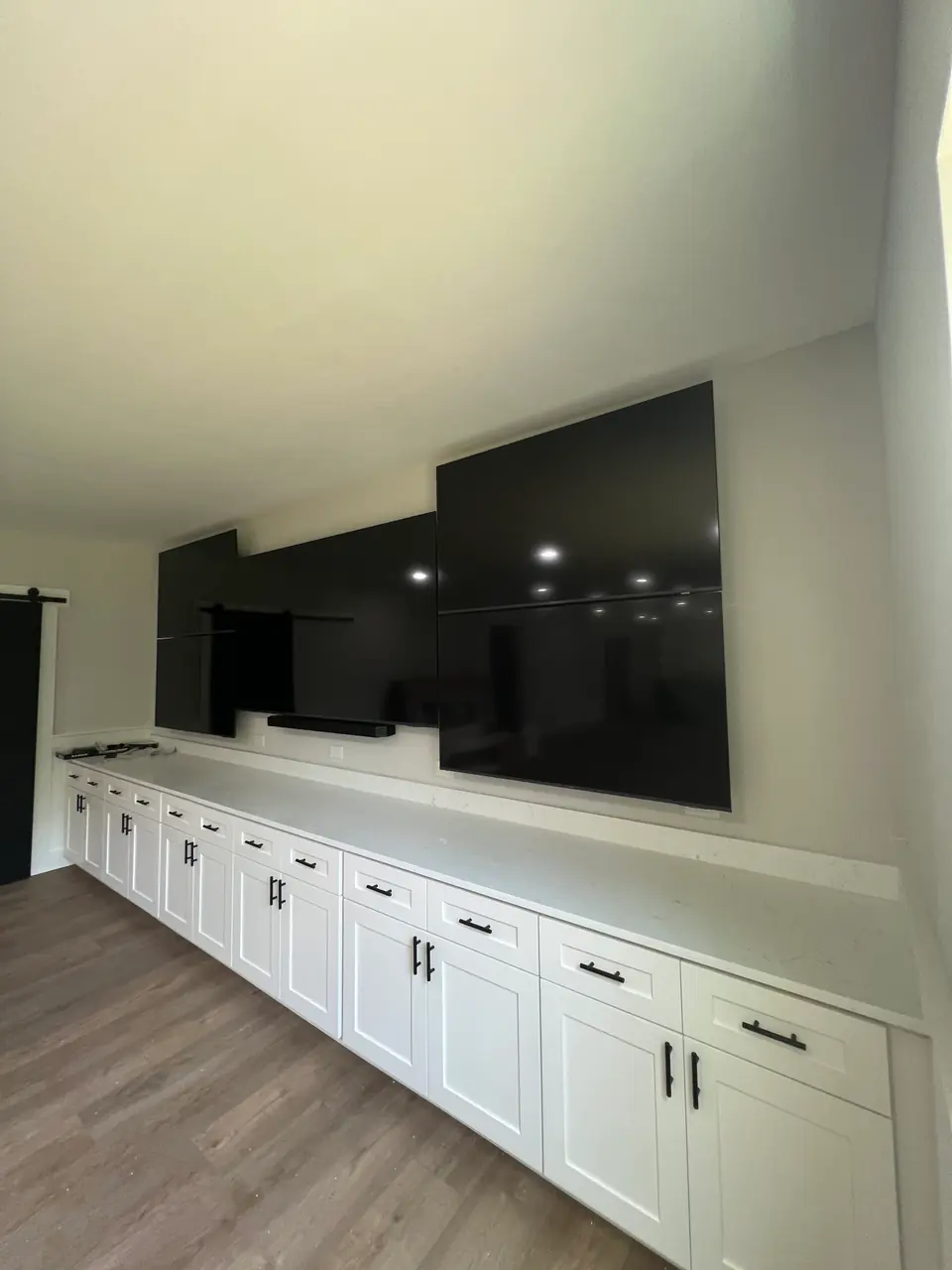
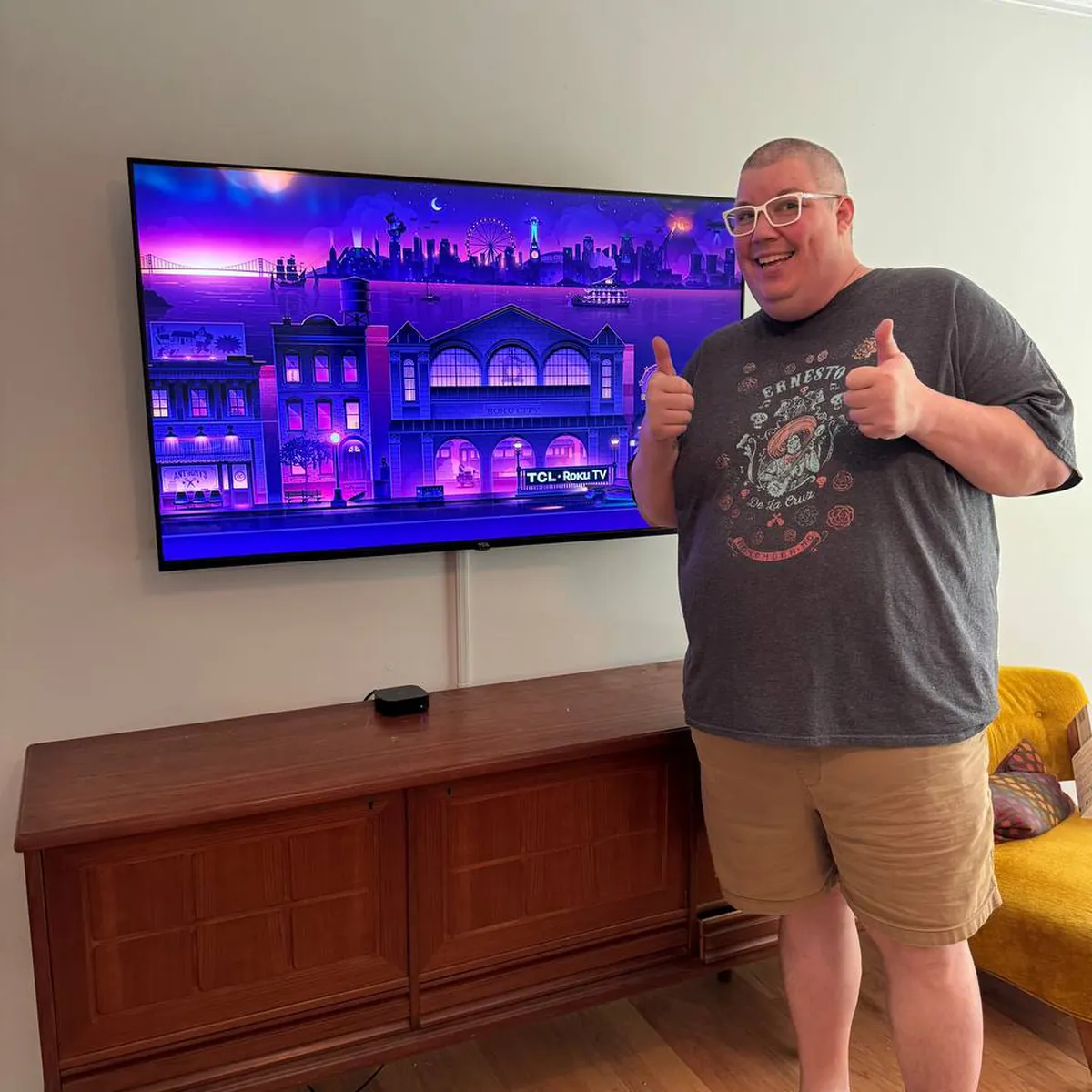
Cinco Ranch set the pattern for modern Katy. It broke ground in 1991 and kept adding sections into the 2010s, so its plans run from 1990s houses with formal rooms by the front door to later ones where the kitchen and family room are a single space. Every era shares the same construction: wood framing on a slab, brick or stone veneer outside, drywall on every interior wall. Drywall carries no charge, so the wall is almost never the expensive part.
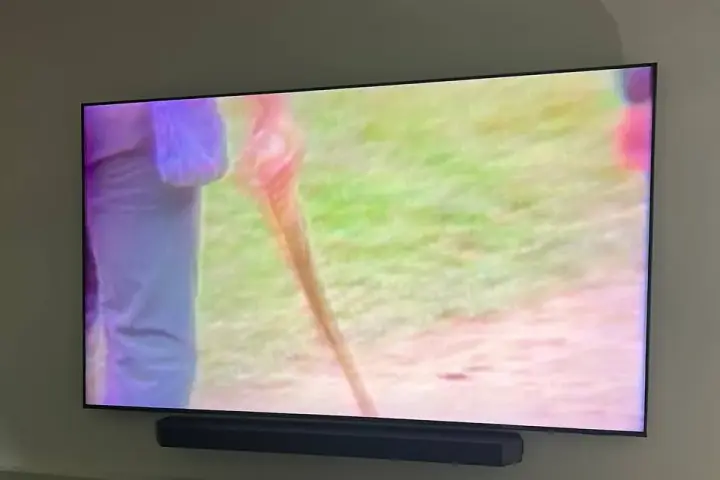
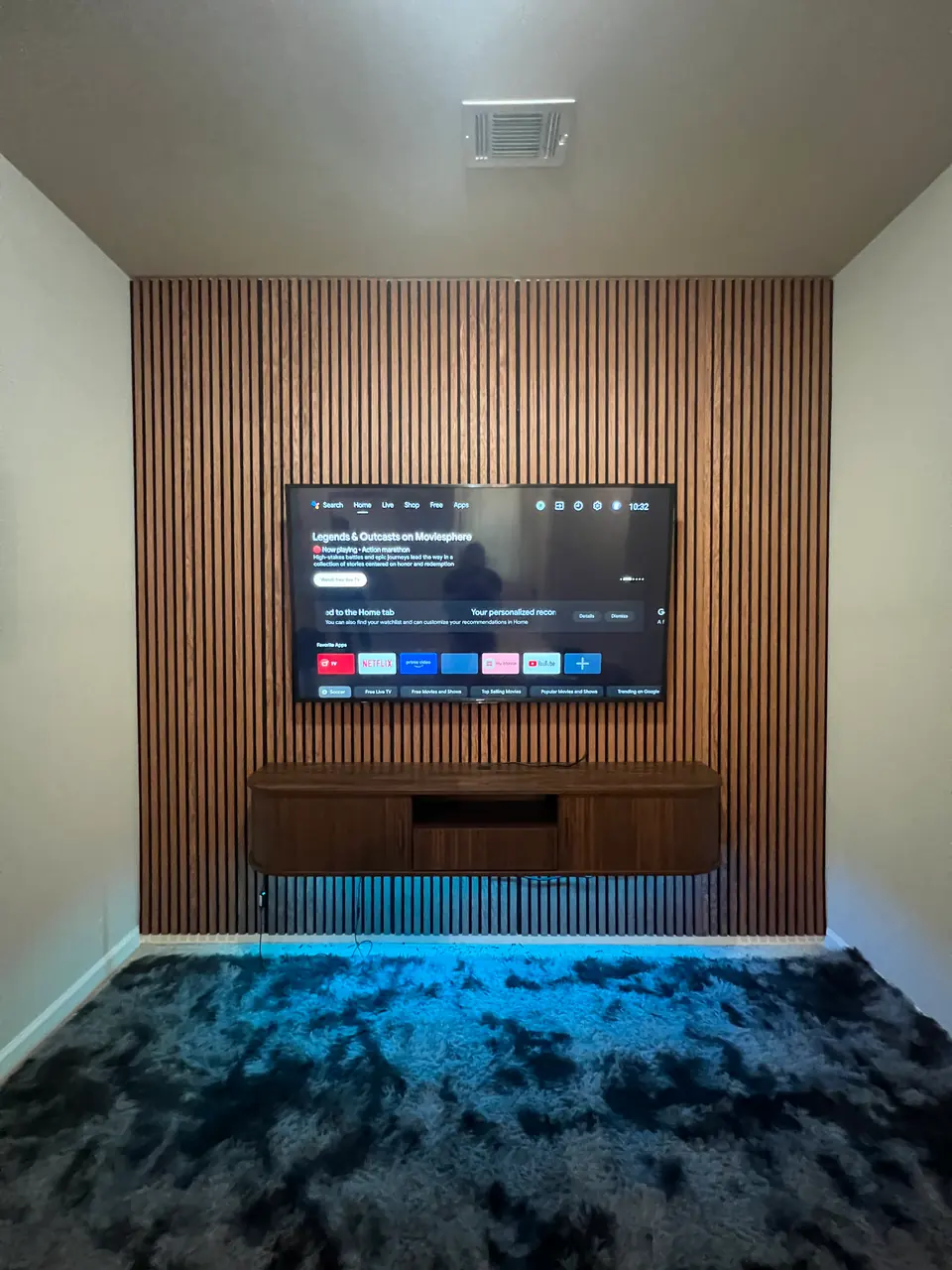
Seven Meadows, laid out around a golf course in the mid-2000s, and Firethorne, which started in 2005 and kept building into the early 2020s, are where the game room plan is the rule. Stairs come up into an open room with a railing over the stairwell and the secondary bedrooms around it, and that room gets the second TV. Its walls are interior partitions, drywall on both faces with open stud bays between, which is the easiest wall in the house for hiding the cables. The $99 in-wall line runs the cords down inside the wall and puts a power outlet behind the screen, so the TV plugs in behind itself and nothing shows.
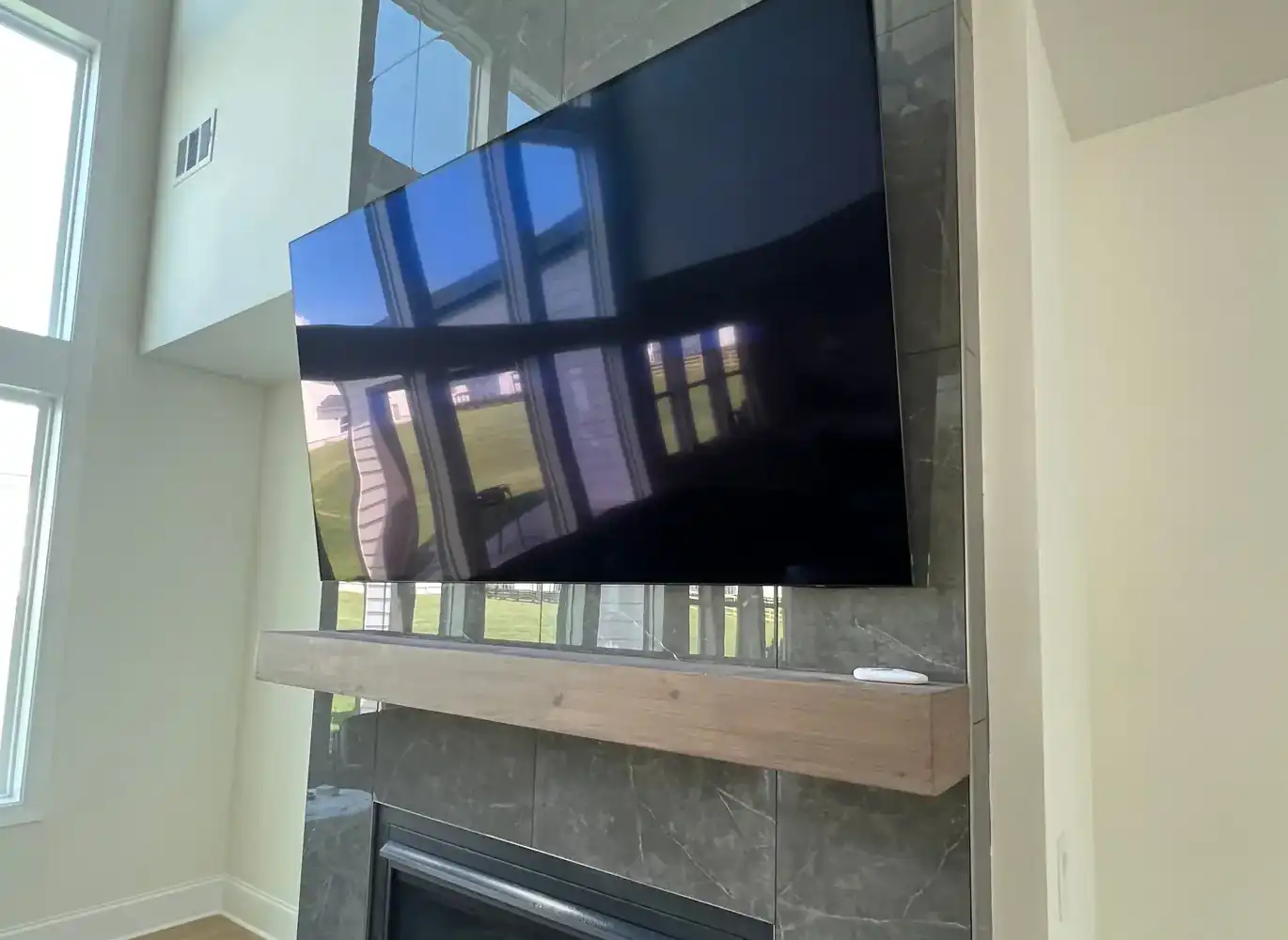
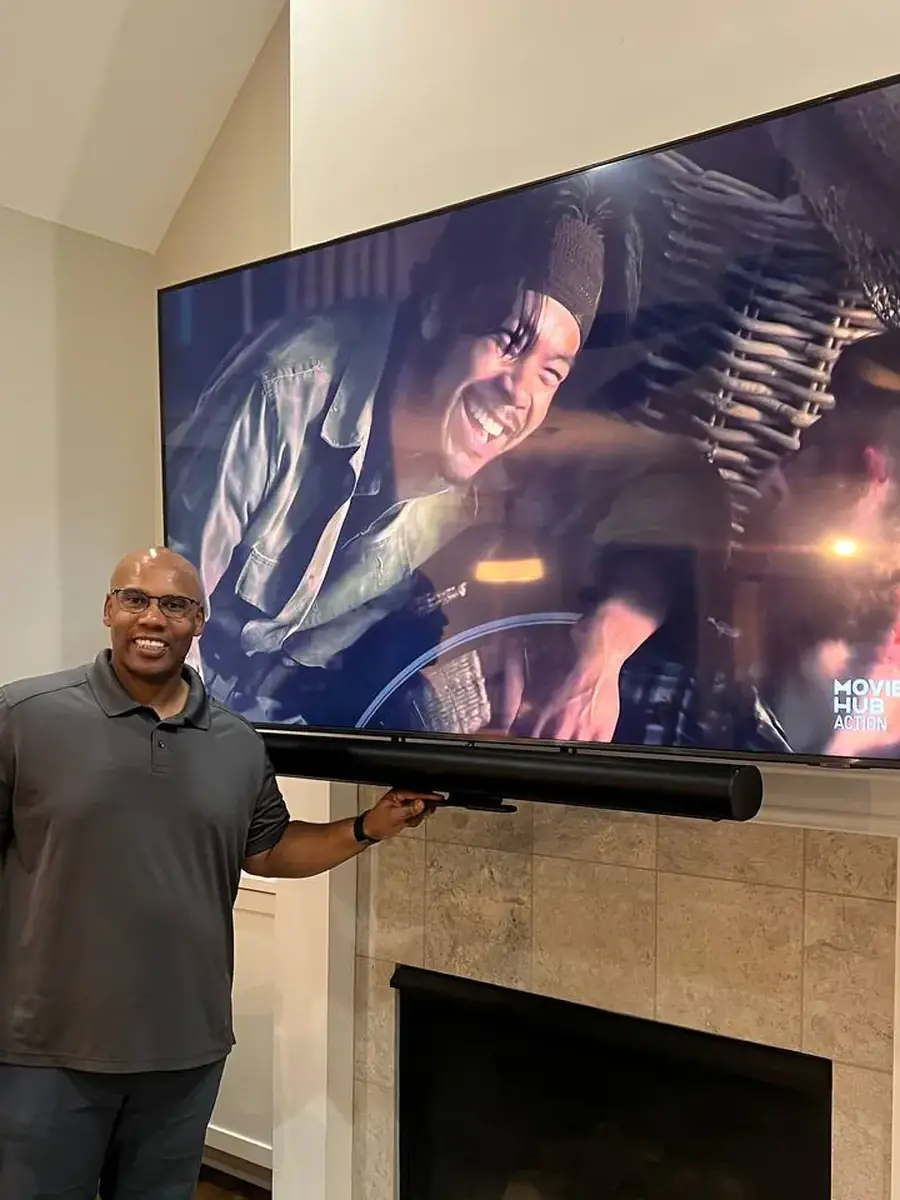
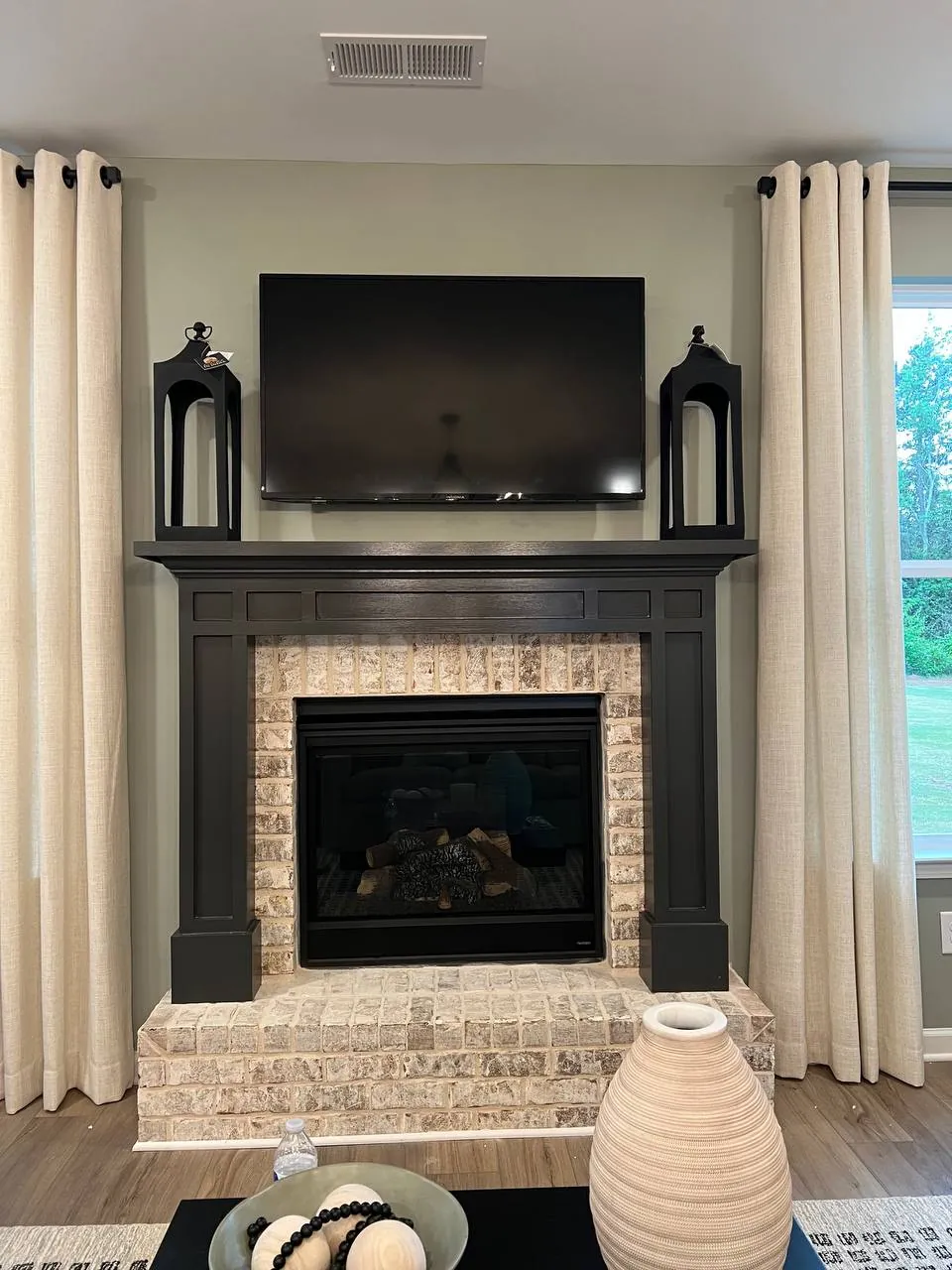
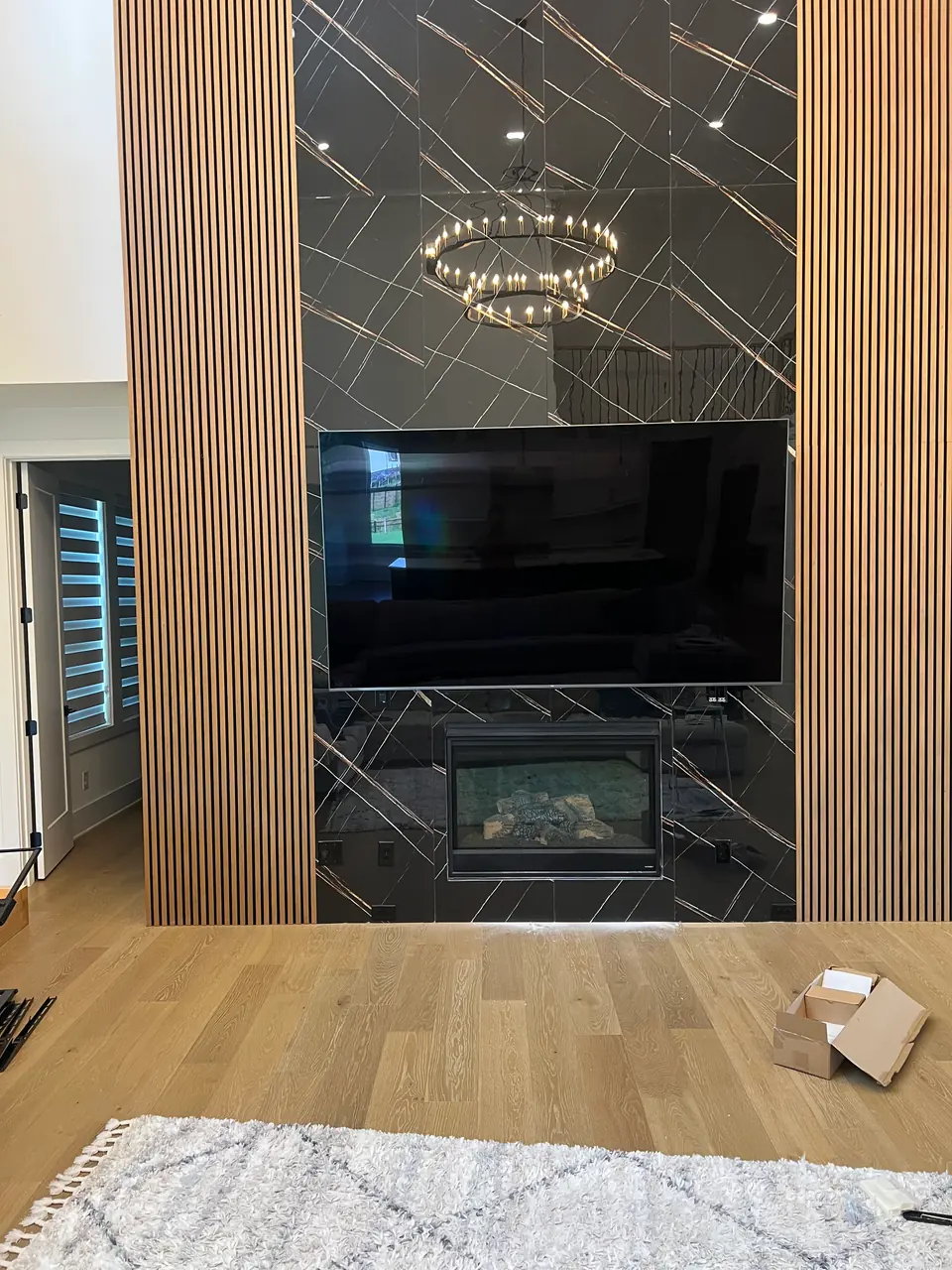
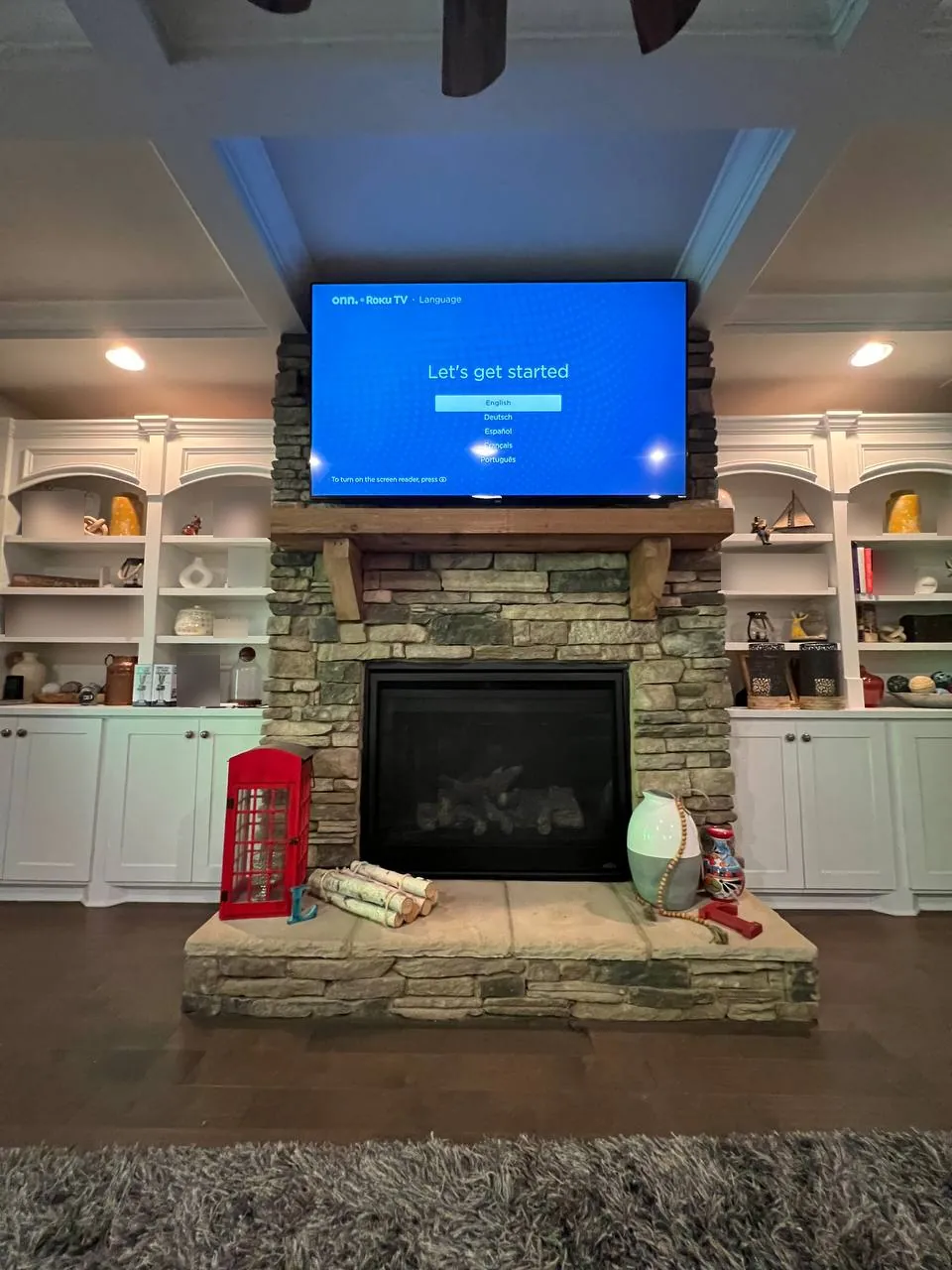
Downstairs, the first TV usually goes on the family room wall across from the sofa, plain drywall at the same no-charge rate. Over the fireplace instead, the fireplace line adds $49, a tile or stone face takes the $59 hard-wall line, and the in-wall option above a fireplace is $149.
The original town of Katy is a different place. It began as a railroad stop and a rice-farming center, the concrete rice driers from the 1940s still stand near the old center, and the houses around it are small and older than anything in the subdivisions. Some have plaster, which mounts at the same price as drywall, and many sit on pier-and-beam foundations, which make no difference to a wall mount. Katy is the west end of the Houston area, with Cypress to the northeast and Sugar Land to the southeast.