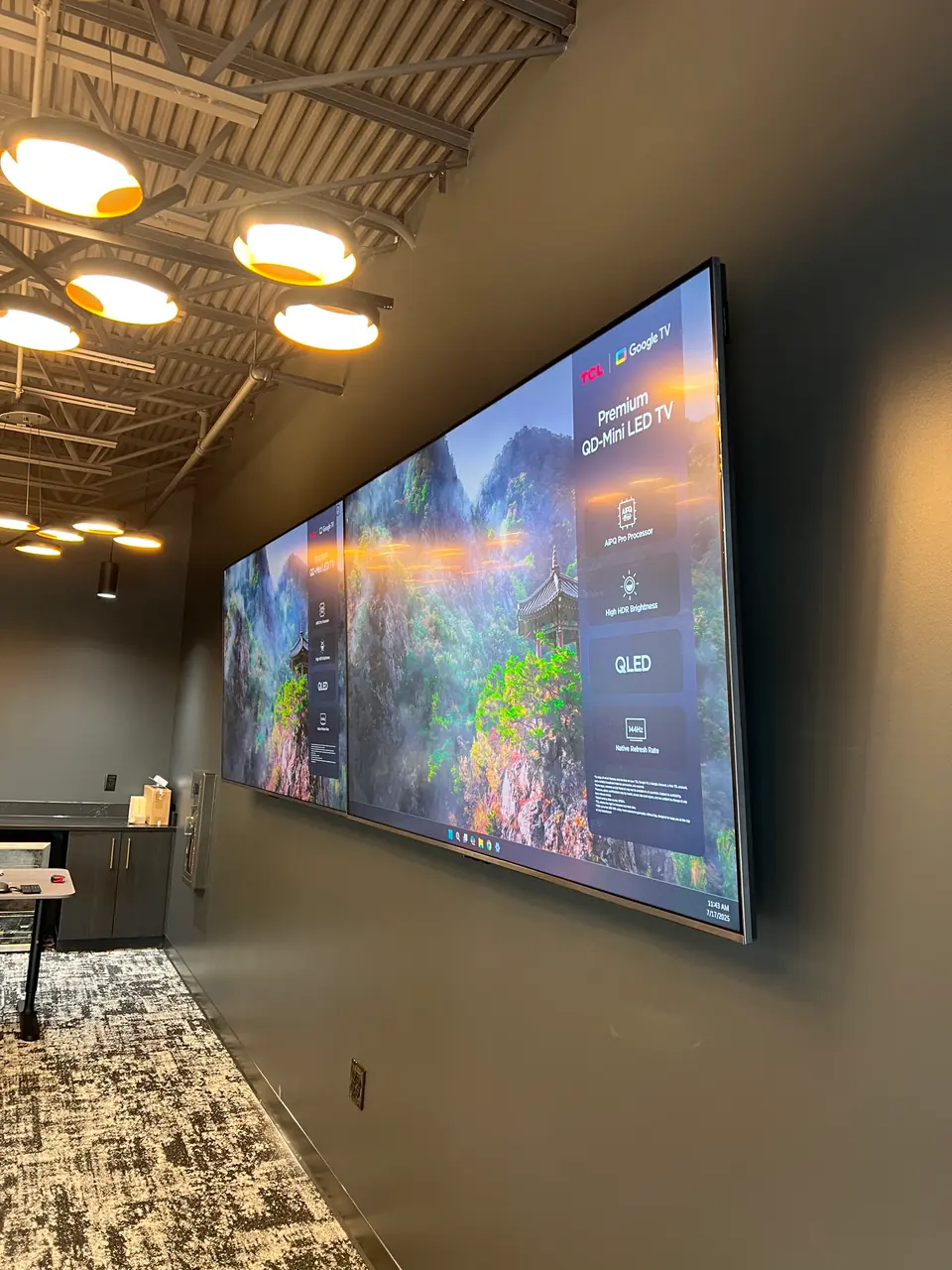
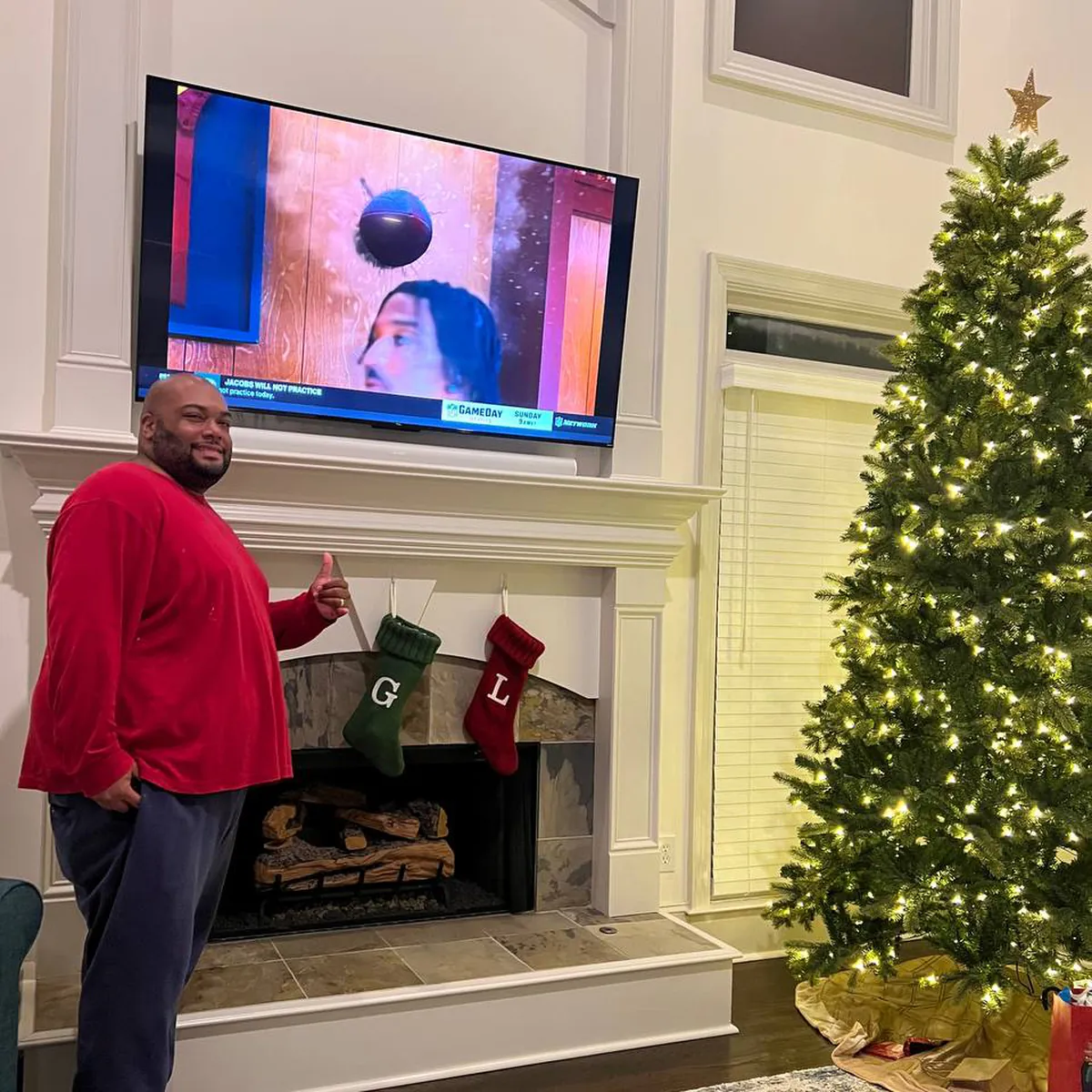
The oldest blocks of Largo sit around West Bay Drive, and the subdivisions spread from there as the citrus came out, Harbor Hills in the late 1950s and Imperial Point in the 1970s among them. Most houses from those years were built the same way: concrete block walls, stucco outside, and inside either drywall or plaster fastened to furring strips, the thin wood strips nailed to the block. The walls between rooms are wood studs with drywall.
Which kind you have isn't obvious from the room, because both finish as flat painted drywall or plaster, and a stud finder won't settle it, since it beeps at every furring strip, spaced like studs, and reads the wall as framed. Three checks you can make yourself are laid out further down this page.
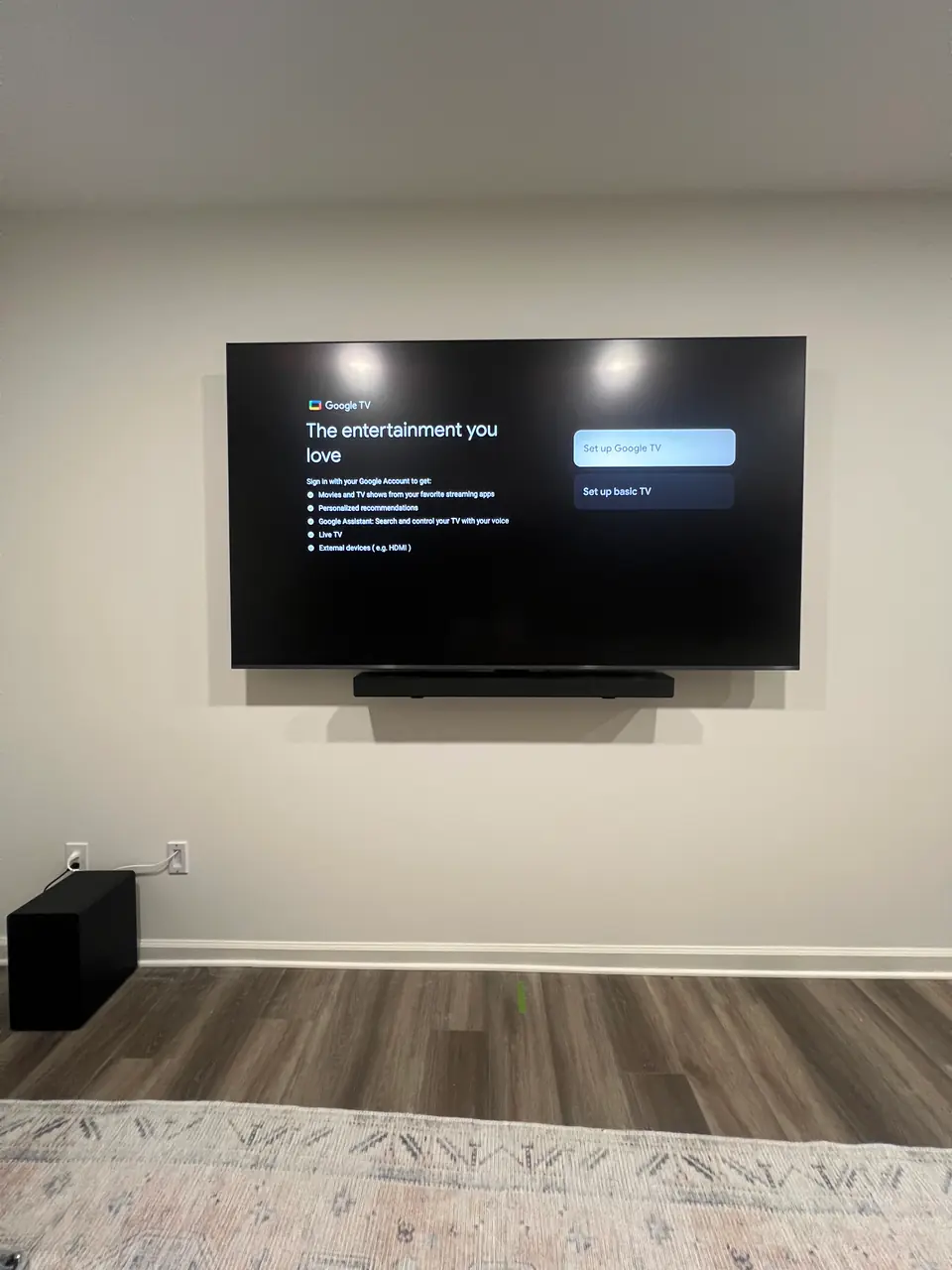
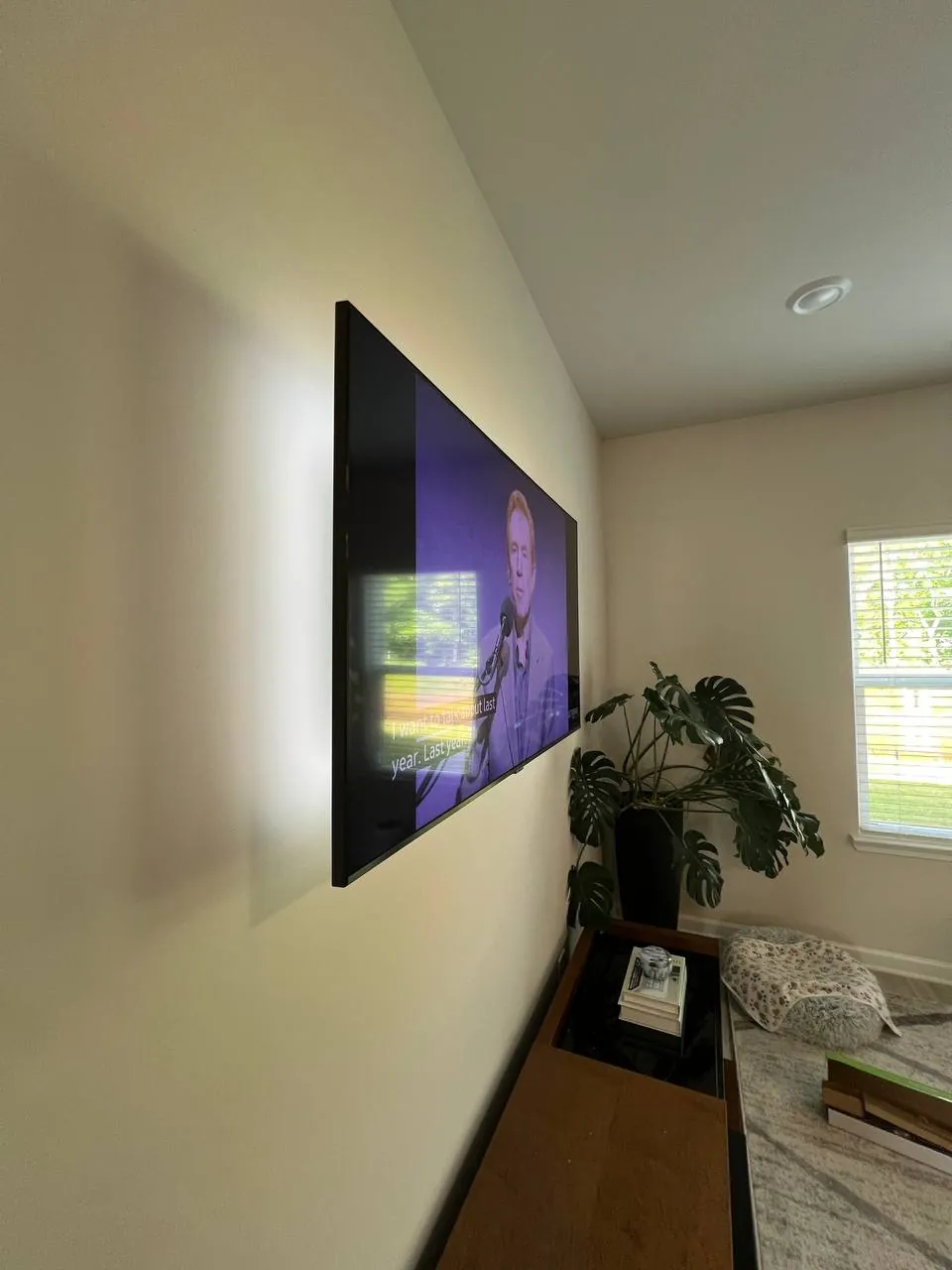
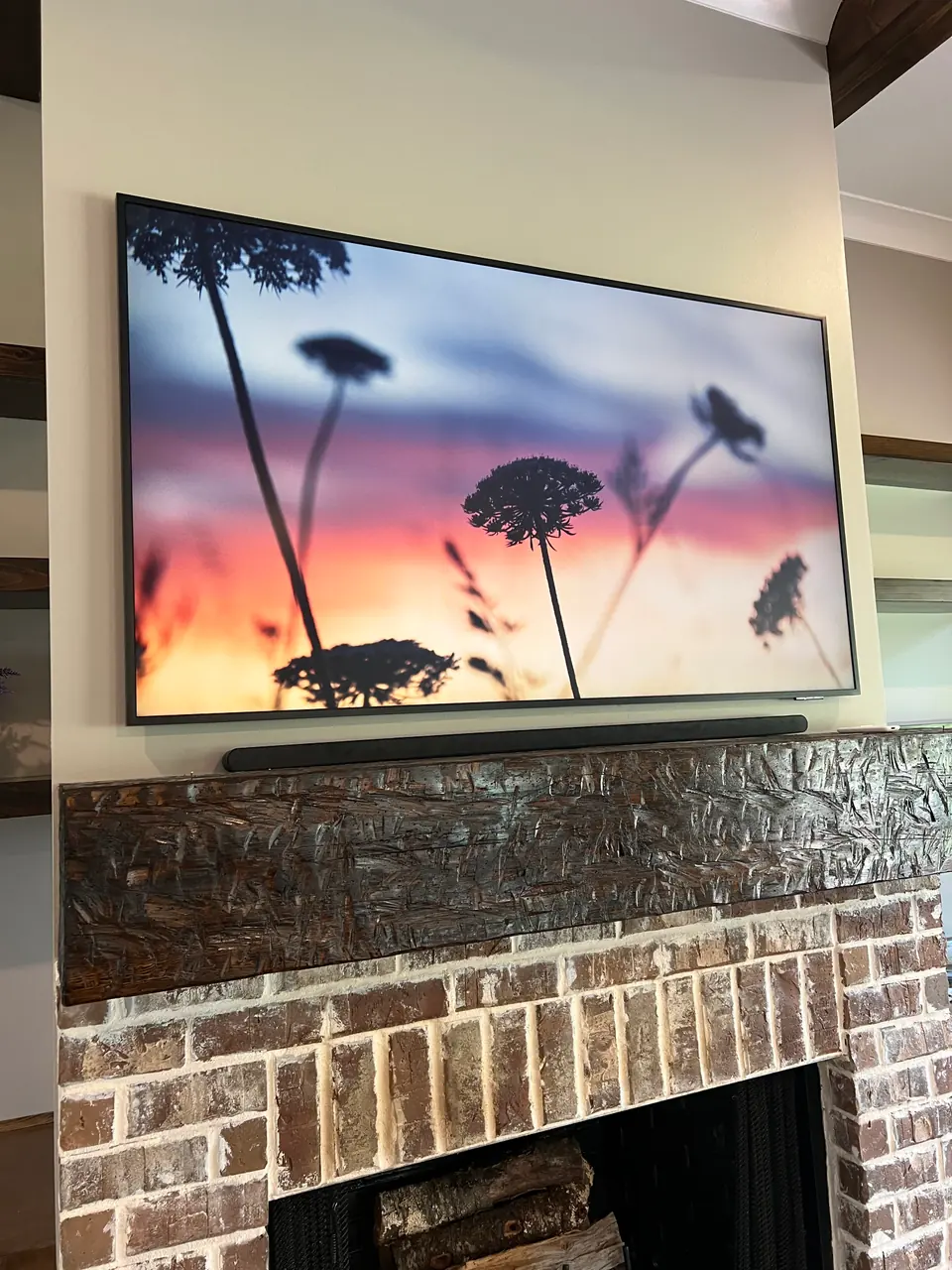
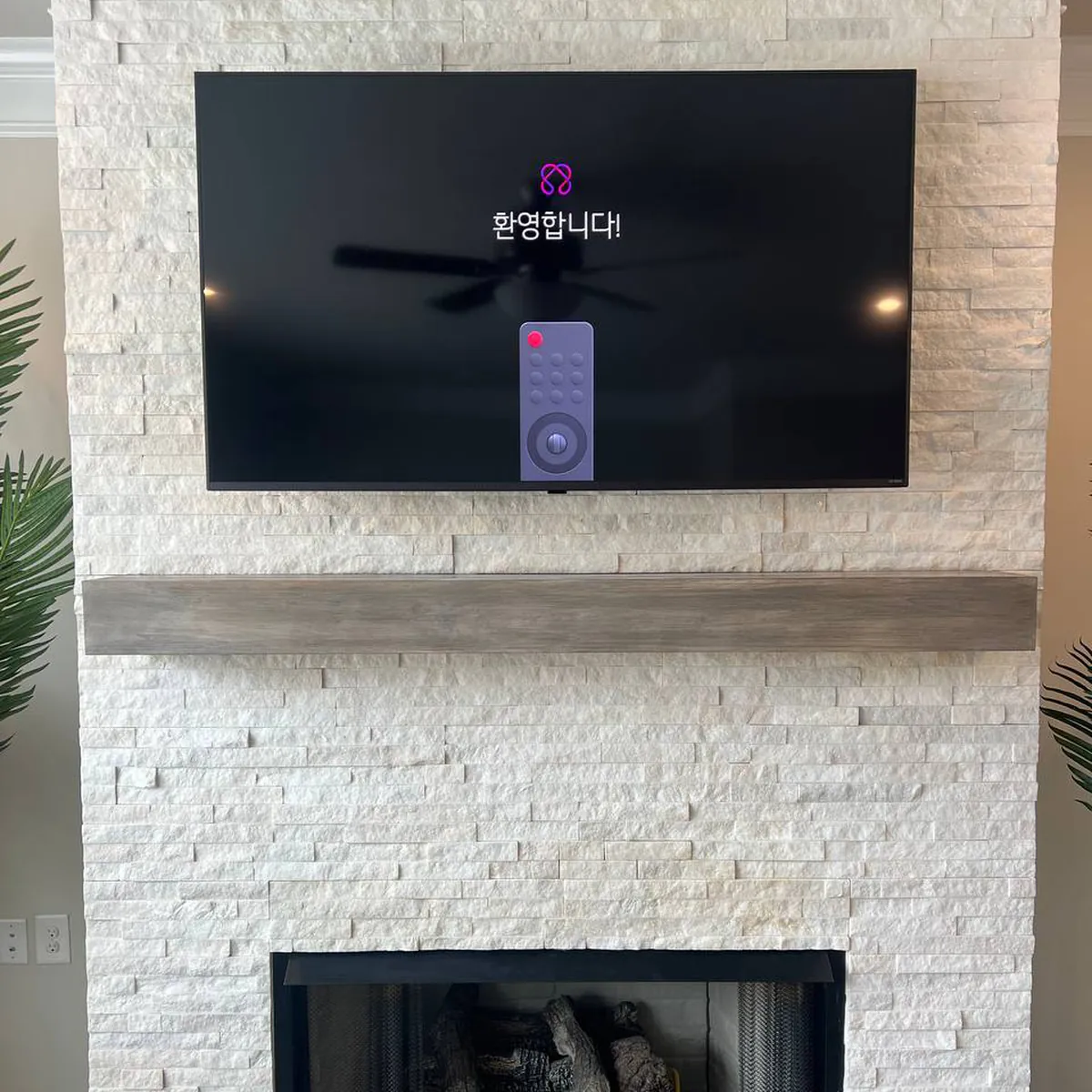
The answer sets two lines on the bill. Furring strips are about three quarters of an inch thick, enough to hold drywall and nowhere near enough to hold a TV, so the technician drills through them into the block and sets masonry anchors, the $59 hard-wall line. The same thin gap is too shallow for the in-wall cable run, which needs the depth of a framed wall for its recessed outlet box and cable plugs. On a furred wall the cables go into a paintable cover for $49, and on a framed wall they go inside for $99 with a power outlet behind the TV.
Largo's 55-plus communities are the other large group of homes here, many of them condos and one-story villas near the city golf course and along the roads out toward the beaches. The rooms are smaller, so the screens often are too: a 32-inch TV on a fixed mount with the wires showing is $178. The wall shared with a neighbor is often block as well, and the association may have rules about drilling it. Clearwater and Pinellas Park sit on either side of Largo, and the Tampa page covers the rest of the bay.