Elgin was settled on the Fox River in 1835, at the northwest edge of what is now the Chicago area, and its oldest blocks lie close to downtown. The Elgin Historic District, listed on the National Register in 1983, covers the oldest part of the city and is made up mostly of houses and churches. Its styles run from early Greek Revival to Queen Anne houses with turrets, bay windows and wraparound porches, and the Gifford Park neighborhood has its share of Queen Anne houses too. The Spring-Douglas Historic District, between Spring Street and Douglas Avenue, mixes Italianate houses with bungalows of the early 1900s.
Houses of that age were plastered by hand over wood lath: thin strips nailed across the studs with small gaps between them. The plaster squeezes through the gaps and hardens into keys that hold it to the wall. Plaster on lath carries no wall charge, the same as drywall, but it hides the studs better. Electronic stud finders often give confusing readings through it, and studs in a house this old aren't always 16 inches apart. The nails holding the lath are driven into the studs, though, so a strong magnet moved slowly across the wall stops on them, and a column of those stops marks a stud.
Victorian floor plans set limits of their own. A turret room's outside wall curves, and a flat mount needs a flat wall. Bay windows leave short, angled pieces of wall between the panes. Double parlors were often divided by pocket doors that slide into a hollow inside the wall, and no TV can hang on that stretch, since there are no studs where the door travels. Tall windows and wide trim also eat into the flat wall.
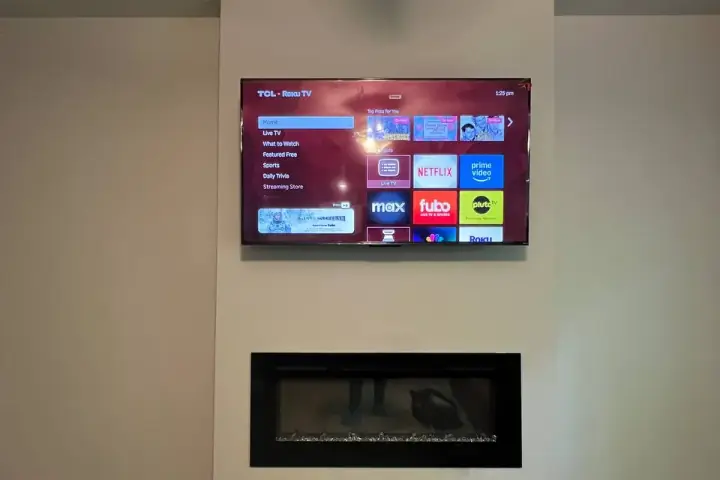
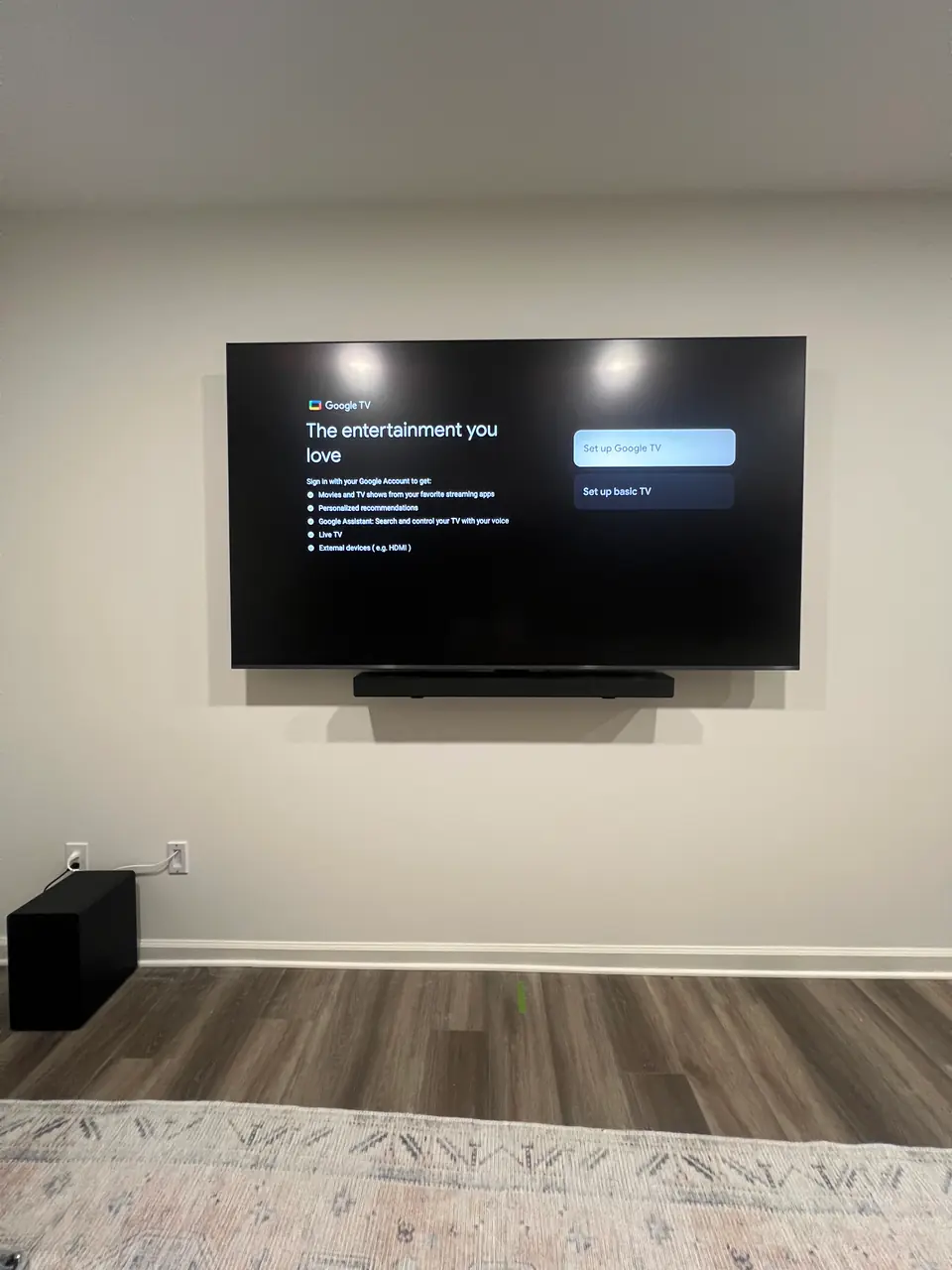
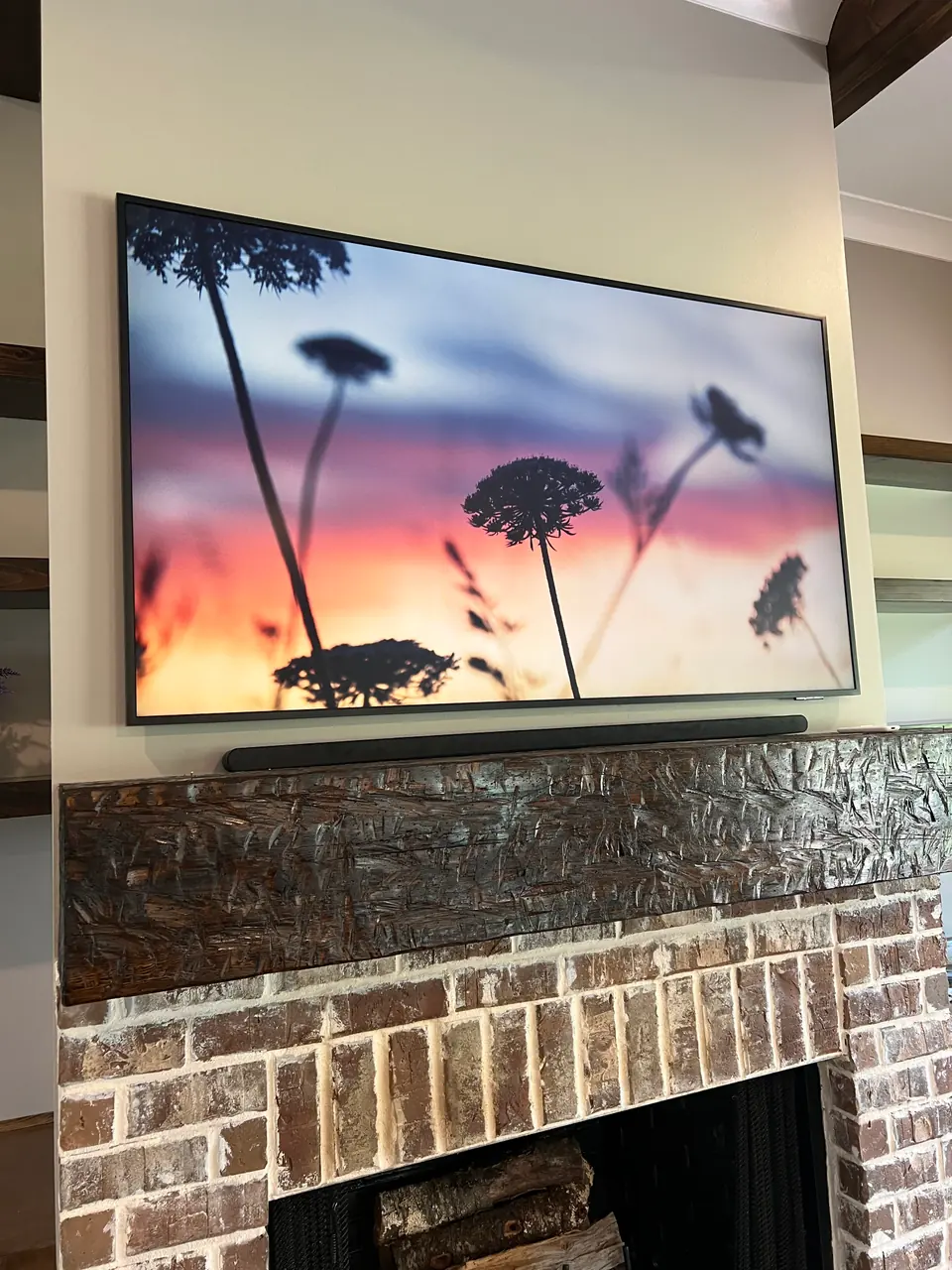
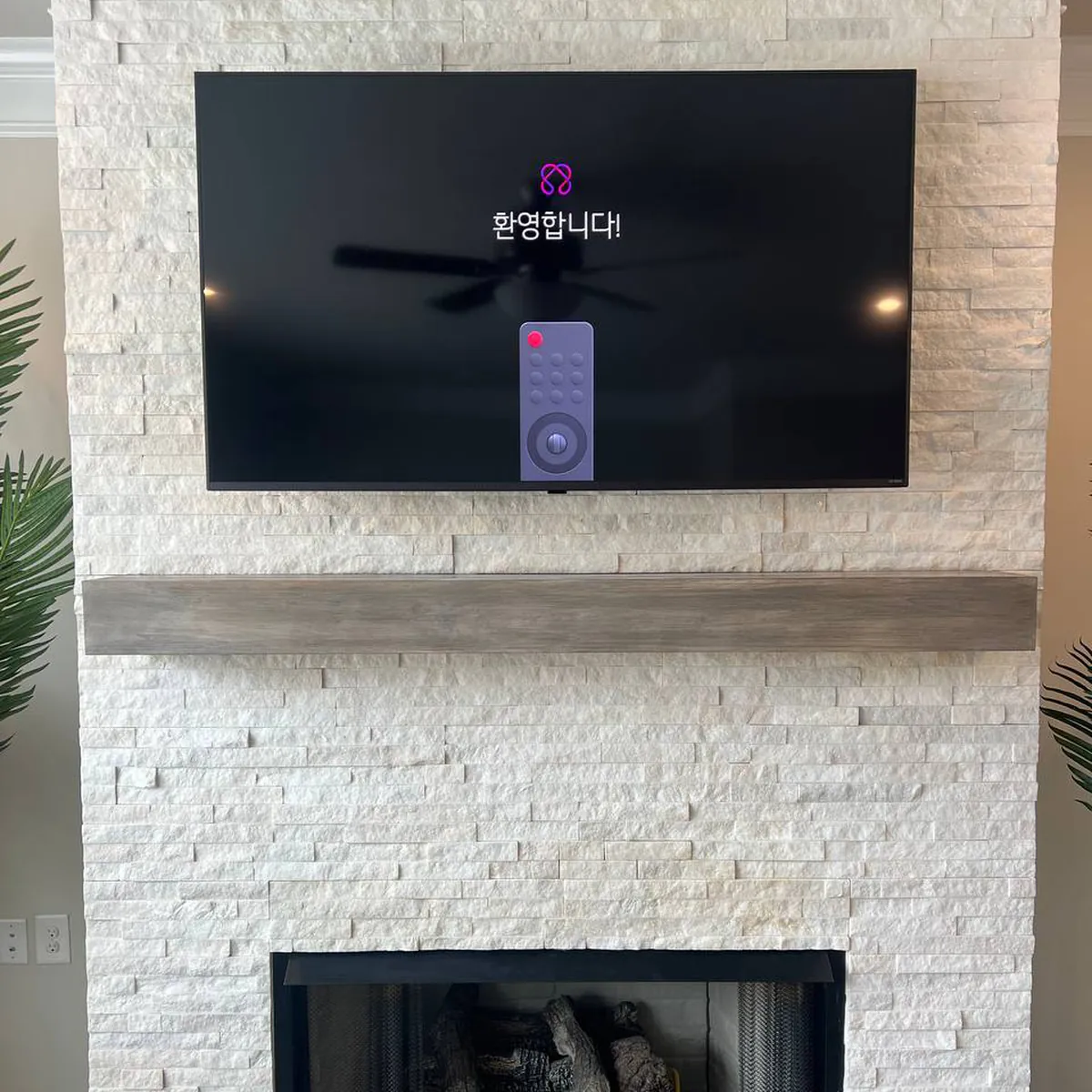
Hiding the cables asks the most of an old wall. The in-wall line, $99 with a power outlet behind the TV, means cutting into plaster, which cracks more easily than drywall, and through the lath behind it. The space between two studs may not be open either: a diagonal brace, a block across the bay or bits of plaster that broke off behind the lath can stop a cable on its way down. Where the bay is blocked, or you'd rather leave the plaster whole, a paintable cover carries the cables down the wall for $49. In a brick house, the outside walls are another matter: plaster laid on the brick means masonry anchors at $59, and there's no cavity for cables at all.